
AI: Augmenting Creativity, Not Replacing It
Explore how AI is reshaping the creative workforce by enhancing human ingenuity and opening new opportunities, rather than replacing jobs.

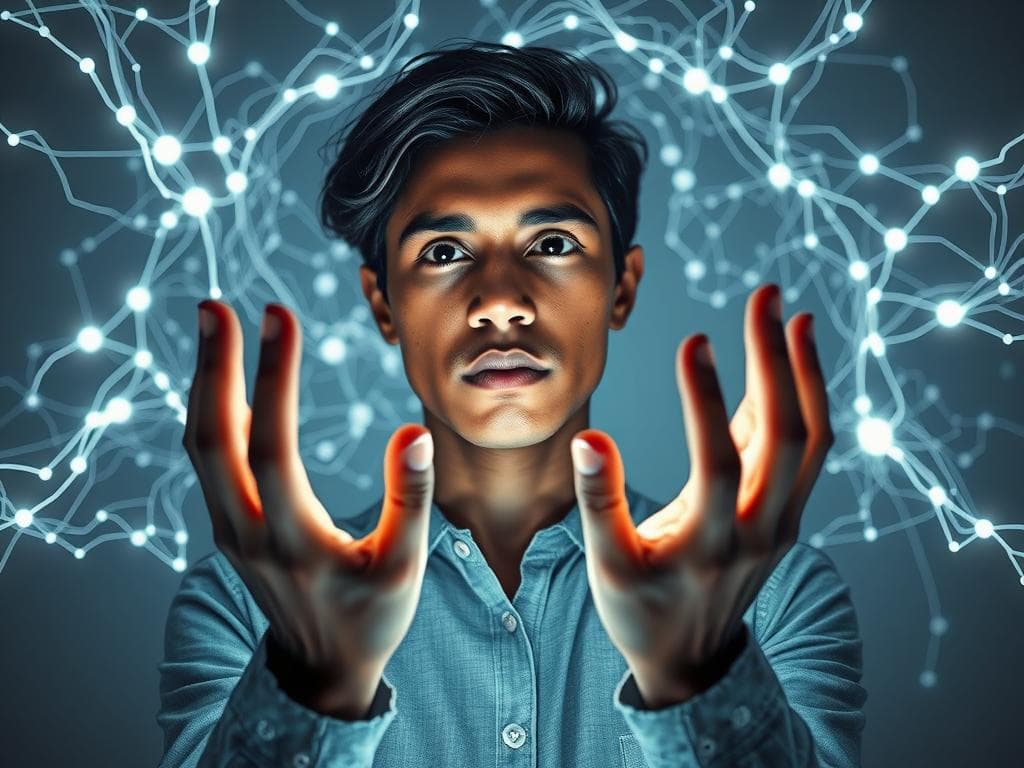
AI: Augmenting Creativity, Not Replacing It
The AI Revolution: Reshaping the Workforce, Not Ending It
Artificial intelligence has been the hot topic around the water cooler, and boardroom tables, for years now, sparking endless debates about the future of jobs. You’ve probably heard the headlines: AI is going to replace millions of workers, automate creativity, and render human efforts obsolete. Well, hold on a second. Is that really the whole story? The narrative of mass unemployment looming as AI marches forward is certainly gripping, but it’s also a bit one-sided. If you ask Ether, a leader in creative technology, the bigger picture reveals something more hopeful, and far more dynamic. AI isn’t here to snatch jobs away. Instead, it’s reshaping how we work, enhancing human creativity, and opening doors to opportunities we haven’t even dreamed of yet.
Let’s break this down and get to the heart of what AI means for the workforce, especially in the creative tech arena.
The Rumblings About AI and Job Displacement
It’s no secret: AI’s rapid advancement has stoked fears of a technological takeover. High-profile figures, from economists to technologists, have thrown their hats into the ring with warnings of looming unemployment and social upheaval. Why? Because AI systems have grown insanely good at handling tasks once thought to require a human touch. Data analysis, customer service chatbots, even composing music or drafting articles, it’s all within AI’s reach.
Yet, if you scratch beneath the surface, the job displacement story isn’t as clear-cut or as immediate as it might seem. Sure, some roles will evolve or fade away, just like any previous technological revolution, but novel roles are simultaneously emerging, often fueled by AI itself.
What’s interesting here is that this isn’t new. If you think about the industrial revolution, for instance, it disrupted jobs massively. But it also gave rise to new industries, fresh careers, and economic growth on an epic scale. AI is setting the stage for a similar transformation, except it’s more about augmenting human skill and imagination than competing with it.
Why Creativity Stands Strong
Creativity isn’t just some luxury or fluff, it’s the beating heart of innovation and progress. This is especially true in industries like entertainment, marketing, design, and technology. AI, for all its computational prowess, can mimic styles, patterns, or produce outputs based on existing frameworks, but originality? That elusive spark of ingenuity? That’s still human territory.
You know what’s fascinating? Companies like Ether are proving that when AI and human creativity team up, magic happens. They’re not just using AI to churn out automated content. Instead, they’re harnessing it to push creative boundaries, generate immersive brand experiences, and streamline processes that free up human talent to focus on what they do best: invent, inspire, and narrate stories that resonate.
Imagine having an idea that’s just a flicker in your mind and watching it blossom into a fully immersive digital experience with the help of AI tools smoothing out the technical rough edges. That’s not a future fantasy. It’s happening now.
The Future of Work in Creative Tech: More Partnering Than Competing
One takeaway that Ether champions is this: AI is a collaborator, not a competitor. In creative technology, AI can handle repetitive, time-sapping tasks like data sorting, trend analysis, or rapid prototyping. This means creatives spend less time wrestling with mundane details and more time in their flow state, generating compelling concepts and strategies.
But that shift comes with a caveat, successful collaboration with AI demands new skills and adaptability. It’s not about humans stepping back and watching machines take over. It’s about learning to work alongside AI, understanding its strengths and limits, and guiding it with human intuition and cultural insight.
For example, a content creator might use AI-powered analytics to understand audience preferences faster and deeper than ever before, adjusting the creative approach in real-time. Or a designer might use AI to visualize multiple variations of a concept, choosing the one that feels authentic and impactful. These workflows don’t just boost efficiency, they enhance creative quality.
Adapting and Upskilling: The Human Advantage
This shift brings up an important question: How do we prepare for this new landscape? Adaptability is key, no doubt, but there’s a more profound requirement, continuous learning. The future workforce won’t just be defined by what you know today but how quickly you can pick up new tools and mindsets.
Ether’s approach is a case study in this mindset. Their teams combine AI expertise with traditional creative prowess, creating hybrid skills that are incredibly rare and valuable in today’s market. They invest heavily in training programs that blend technical skills with creative problem-solving, ensuring their people stay ahead of the curve.
So, while AI might seem intimidating to some, the truth is it’s a chance to grow. For HR leaders and business execs, embracing this change means fostering a culture of curiosity and resilience. For creatives, it’s a golden ticket to expand their capabilities and explore uncharted territory.
Ether’s Vision: Crafting Immersive Brand Experiences with AI
Let’s talk specifics. What does this look like in practice?
Picture immersive brand experiences, events or digital platforms where the audience isn’t just a passive observer but an active participant. Ether leverages AI to tailor these experiences dynamically, shifting the narrative, visual elements, and interaction based on real-time data and user input. This creates a personalized, memorable encounter that goes beyond traditional marketing.
But here’s the kicker: all this AI-powered customization is still grounded in storytelling. The human element remains front and center. AI serves as the engine, but creativity is the driver. This balanced synergy is a great example of how AI can augment, not replace, human ingenuity.
Looking Ahead: Challenges and Opportunities
No one’s saying the AI journey is entirely smooth sailing. There are challenges to wrestle with, ethical questions, potential biases in algorithms, concerns about privacy, and the risk of uneven access that could widen inequality.
Yet, rather than throwing up our hands, the creative tech sector must lead with responsibility and innovation. This means developing AI tools that enhance diversity, uphold transparency, and empower all voices.
Importantly, it also means communicating openly about AI’s role, not as some mysterious takeover, but as a tool shaped by human values and intentions.
So, what’s the takeaway?
AI is not the job thief it’s often painted to be. Instead, it’s a catalyst for reshaping how we create, collaborate, and work. Firms like Ether exemplify this by blending cutting-edge AI with human creativity to pioneer new kinds of experiences and opportunities.
If you’re a business leader, creative professional, or simply someone who’s curious about the future of work, here’s the heart of it: AI won’t replace your creativity. It’ll amplify it. And that’s something worth getting excited about.
Ready to see how AI can elevate your brand’s creative journey? Discover Ether’s innovative solutions that blend human touch with smart technology. Because the future isn’t about man versus machine, it’s about man with machine.
Related Articles

Level Up Brand Engagement with AI
Discover how Meta’s unprompted, customizable chatbots are revolutionizing immersive brand experiences by enabling proactive, personalized conversations, while navigating the critical balance between innovation, privacy, and ethics.
 Justin O'Heir
Control Your Content's AI Future
Discover how Cloudflare's new default blocking of AI web crawlers and Pay Per Crawl program empower content creators to protect, control, and monetize their digital assets in the evolving AI landscape.
 Ether Team
AI: Reshaping Consulting, Law & Accounting
Discover how AI is revolutionizing consulting, law, and accounting by enhancing efficiency, scaling profitability, and redefining the future of work through human-AI collaboration.
Justin O'HeirInterested in implementing this for your brand?