![Featured image for Do Your Events Actually Work [Podcast With Justin O'Heir]](/_next/image?url=https%3A%2F%2Fbanmfdzjkzlkhakecmfm.supabase.co%2Fstorage%2Fv1%2Fobject%2Fpublic%2Fcontent%2Farticles%2FEther_do-your-events-actually-work-podcast-with-justin-o_2026-07-24_16-21-58.jpg&w=2048&q=75)
Experiential Marketing
Do Your Events Actually Work [Podcast With Justin O'Heir]
Founder of Ether hopped on with The Connector's Table Podcast to chat about how Ether measures offline experiences.
 Justin O'Heir
Read Article


Insights, strategies, and case studies to help brands create meaningful digital experiences that drive engagement and results.
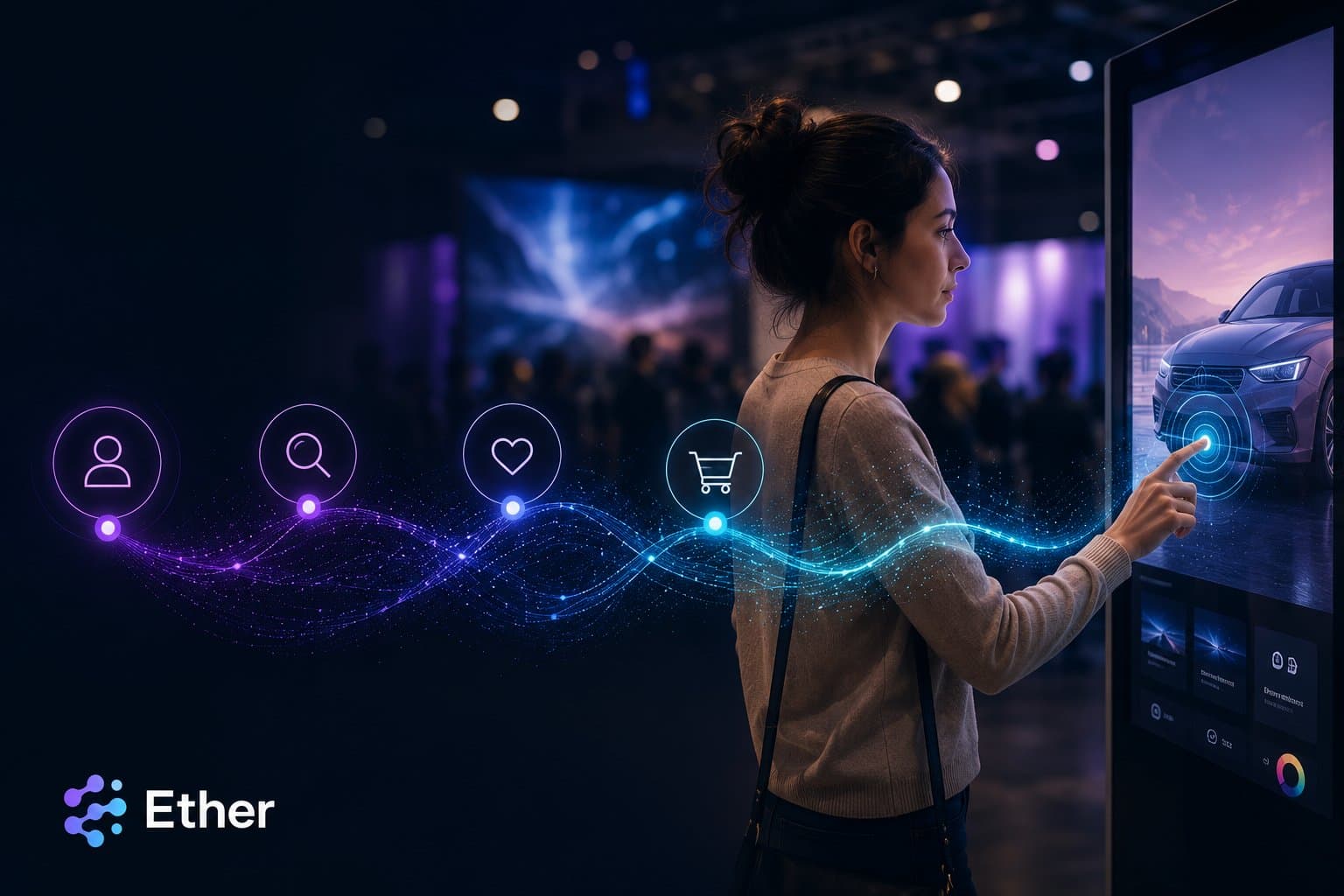
Understanding the consumer goes beyond clicks and demographics. Learn how Ether's Glimmers and experience-native signals reveal what resonates, what motivates action, and what brands can learn from every experience.
Understanding the Consumer: From Data Points to Human Signals
Brands know more about consumers than ever before.
We know what they search, click, buy, watch and abandon. Increasingly, AI can predict what they might do next.
And yet understanding the consumer is getting harder.
Because knowing what someone did is not the same as understanding why they did it.
The next evolution of consumer intelligence isn't simply collecting more data. It's learning how to interpret the signals people generate as they experience a brand: what earns attention, what creates curiosity, where they hesitate, what they return to, and what motivates them to continue.
For experiential marketing, this creates an important opportunity. Experiences don't just communicate with consumers. They create environments where response becomes visible.
More Data Doesn't Always Mean More Understanding
Modern marketing is exceptionally good at observing outcomes.
A customer clicked. A visitor stayed for four minutes. Someone scanned a QR code. An attendee completed a game.
Each action tells us something. But none explains itself.
A long dwell time might indicate fascination, confusion, or simply waiting for a friend. A QR scan could signal genuine interest or curiosity about a giveaway.
This is the distinction between data collection and consumer understanding.
The challenge isn't simply capturing more signals. It's interpreting them with enough context to understand what they mean.
The Consumer Is Not a Segment
Consumer understanding has traditionally relied on segmentation: age, location, interests, purchase history, persona.
These remain useful, but they can flatten people into categories.
Two consumers who look similar on paper can respond completely differently to the same experience.
What do they choose? What do they skip? Where does engagement deepen? What brings them back? What happens before they take the next step?
These patterns don't replace demographic or declared data. They add another layer: response.
And response helps us understand how people are actually experiencing a brand in the moment.
Experiences Create Glimmers
A well-designed brand experience contains hundreds of small decisions.
Someone chooses one path over another. They replay a game. Explore a feature. Return to something they passed earlier. Save content. Invite a friend. Ask for more information.
Within these interactions are meaningful moments of response. At Ether, we call them Glimmers.
A Glimmer might appear when curiosity prompts someone to explore further, when participation deepens, or when an interaction creates enough relevance or motivation to influence what happens next.
Individually, these moments are small. Across an experience, they begin to form patterns.
Those patterns can help reveal where attention deepened, what resonated, where friction appeared, and which moments were most meaningful to the audience.
This is where an activation becomes more than something a consumer attends.
It becomes an environment where brands can learn.
Understanding Starts With Better Questions
Instead of asking:
How many people came?
Ask:
Which moments earned meaningful participation?
Instead of:
How long did they stay?
Ask:
Where did engagement deepen or disappear?
Instead of:
Did they like it?
Ask:
What Glimmers suggest curiosity, relevance or motivation?
Instead of:
Did the activation perform?
Ask:
What did we learn that should change what we do next?
Measurement becomes less about proving that activity occurred and more about building knowledge.
From Glimmers to Intelligence
This is where Ether's approach to Behavior Intelligence becomes useful.
Experience-native signals provide the raw material. Glimmers help identify meaningful moments within that response. Patterns across those moments become insight. And when those insights are connected to downstream behavior, they begin to explain impact.
The value isn't any single interaction or metric.
It's understanding the relationship between them.
A participant might explore a product, return to one feature several times, choose to continue deeper into an experience, and then take a follow-up action. Together, those moments tell a much richer story than a dwell-time number ever could.
Over time, that intelligence can help teams understand not only whether an experience worked, but what worked, for whom, and what should happen next.
From Personalization to Responsiveness
For years, the promise of consumer data has been personalization: know enough about someone beforehand and deliver exactly what they want.
But there is another model: responsiveness.
Instead of assuming what someone wants based entirely on a profile, brands can pay attention to what people actually do.
What earns attention? What creates friction? What motivates exploration? Which moments consistently resonate?
That intelligence can improve the next interaction, the next activation and eventually the wider customer journey.
Personalization says: we know you.
Responsiveness says: we are paying attention.
That distinction matters as consumers increasingly expect relevance while also expecting greater transparency and control over how their data is used.
Better consumer intelligence shouldn't mean knowing everything about an individual. It should mean learning enough from the experience to make the experience better.
The Activation Ends. The Learning Doesn't.
The greatest value of experiential intelligence doesn't come from measuring one activation.
One experience reveals a pattern. The next tests whether it repeats.
Over time, Glimmers across experiences can help teams understand which formats generate stronger responses, which messages create motivation, where audiences lose interest, and which moments consistently precede action.
Each experience adds another layer of understanding.
That's where experiential marketing becomes something larger than a communications channel.
It becomes a source of consumer intelligence.
The future of marketing won't suffer from a shortage of data. The harder problem will be deciding which signals matter, what they mean, and what we should do with them.
Understanding consumers requires more than knowing who they are or what they bought.
It means understanding how they respond, what moves them, and what we can learn from the moments in between.
 Miriam Arbus
Founder of Ether hopped on with The Connector's Table Podcast to chat about how Ether measures offline experiences.
Justin O'Heir
The World Experience Organization argues that attendance and impressions miss what makes experiences valuable. Our summary of the WXO’s case for measuring emotional impact, and why it matters.
 Laura Hess
The experiential marketing reporting framework that survives budget reviews. Learn how to structure client reports around emotional measurement, behavioral insight, and defensible ROI, not vanity metrics.
Justin O'Heir
Exploring the impact of AI on marketing, product innovation, and customer experience.
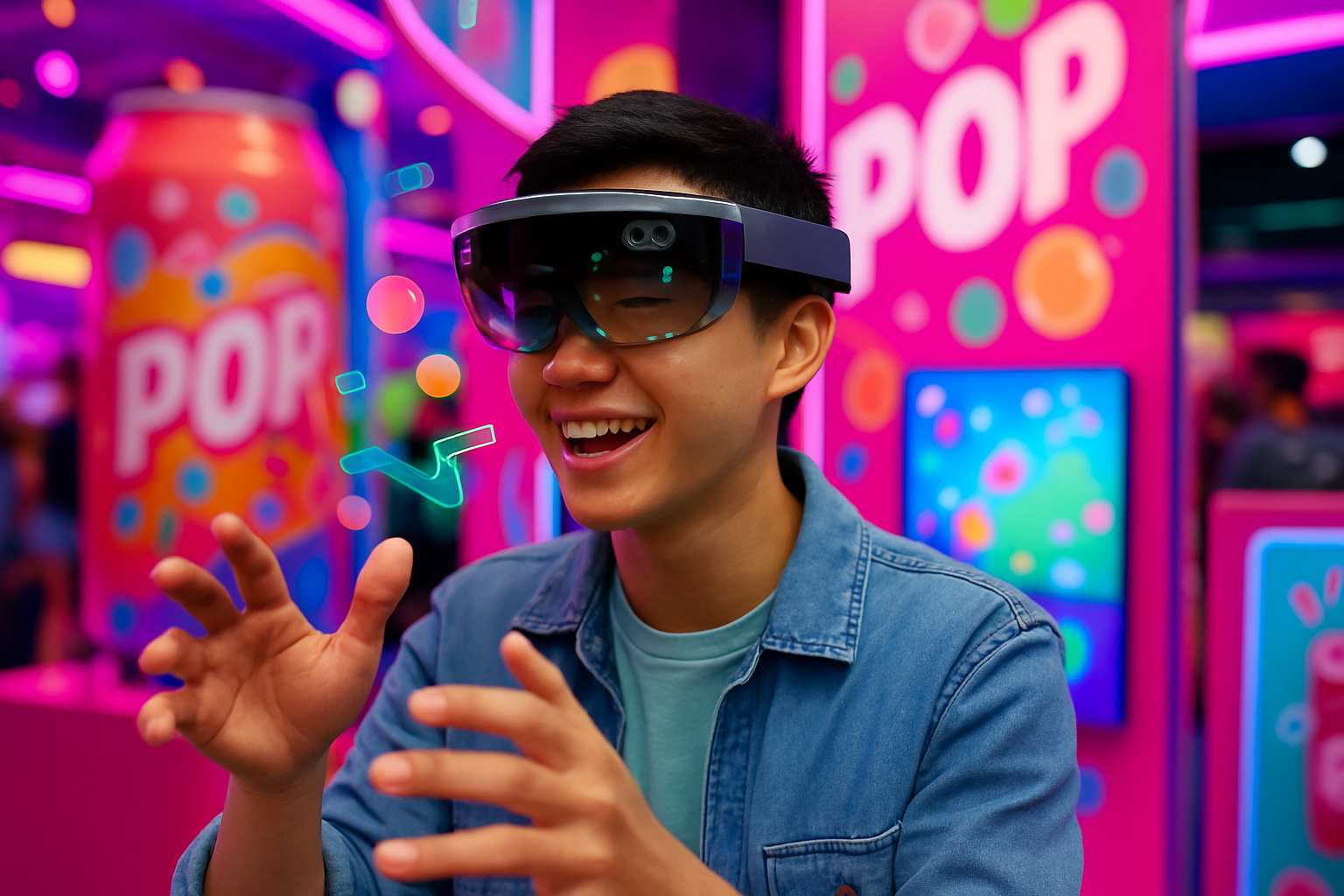
Explore how augmented reality is transforming brand experiences and driving customer engagement.

Insights and strategies for innovation in the automotive industry.

Insights on building and evolving your brand for the digital age
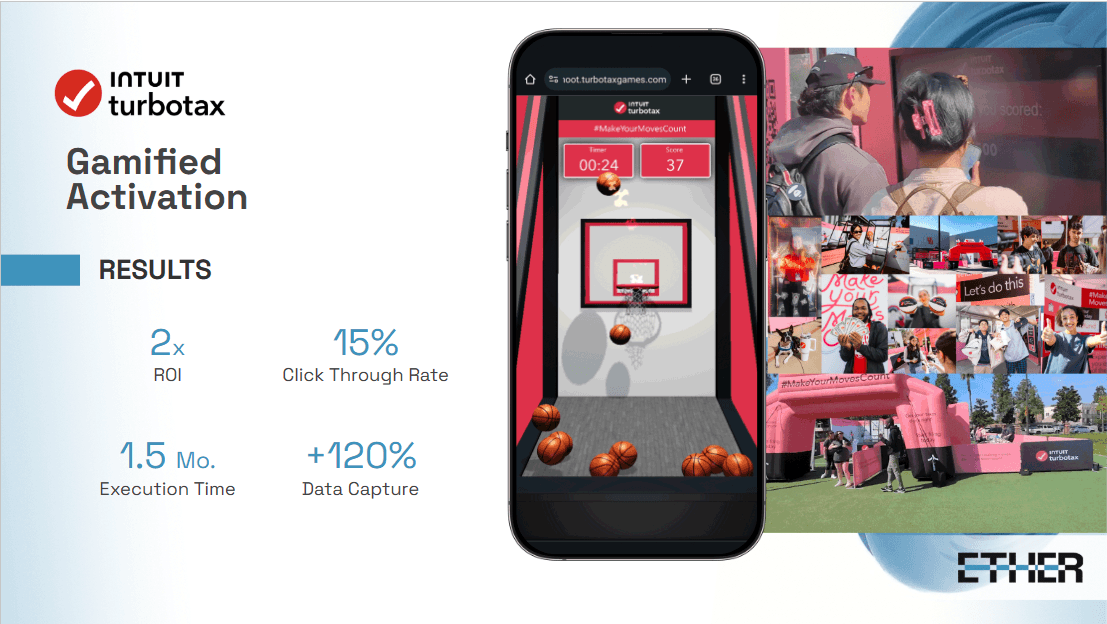
Real-world examples of how brands use Ether to drive measurable results

Strategies and insights for brands selling physical goods to everyday consumers.
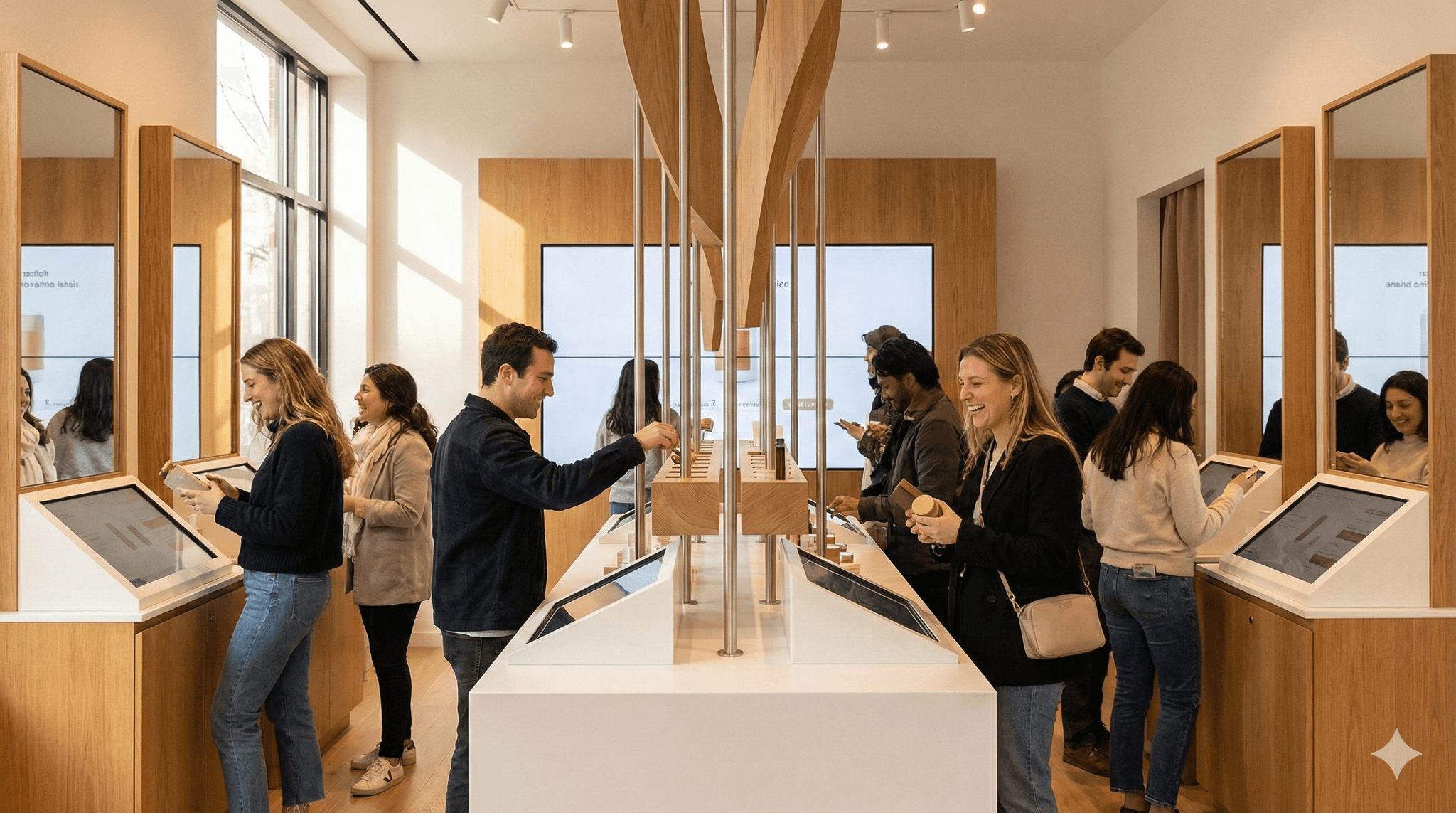
How emotions drive purchasing decisions and brand loyalty. Explore the psychological principles behind consumer behavior and brand attachment.

Analytics-driven strategies, trends, and consumer behavior analysis.
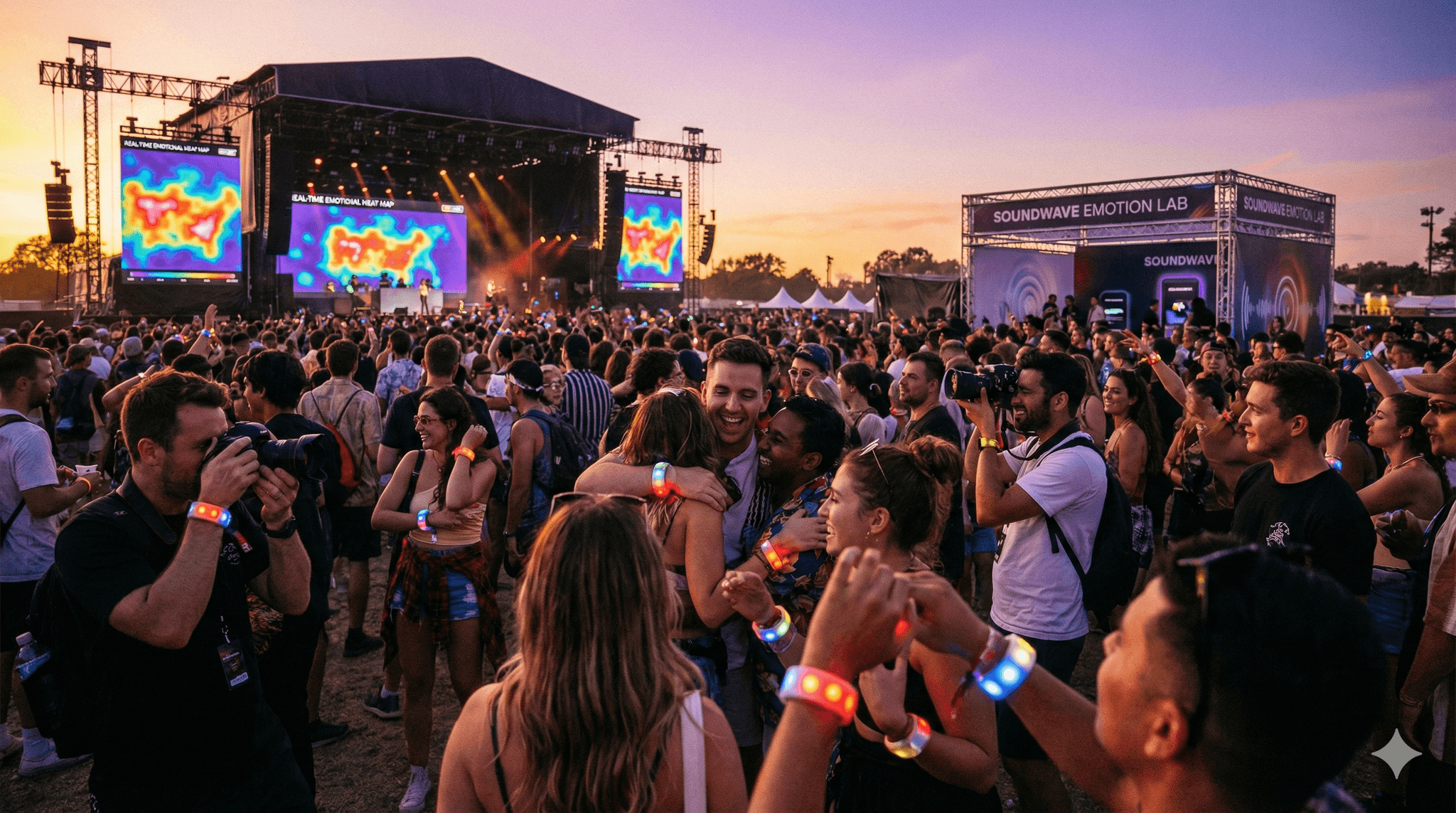
Understanding and measuring emotions in brand experiences. Learn how emotion intelligence drives deeper connections between brands and their audiences.
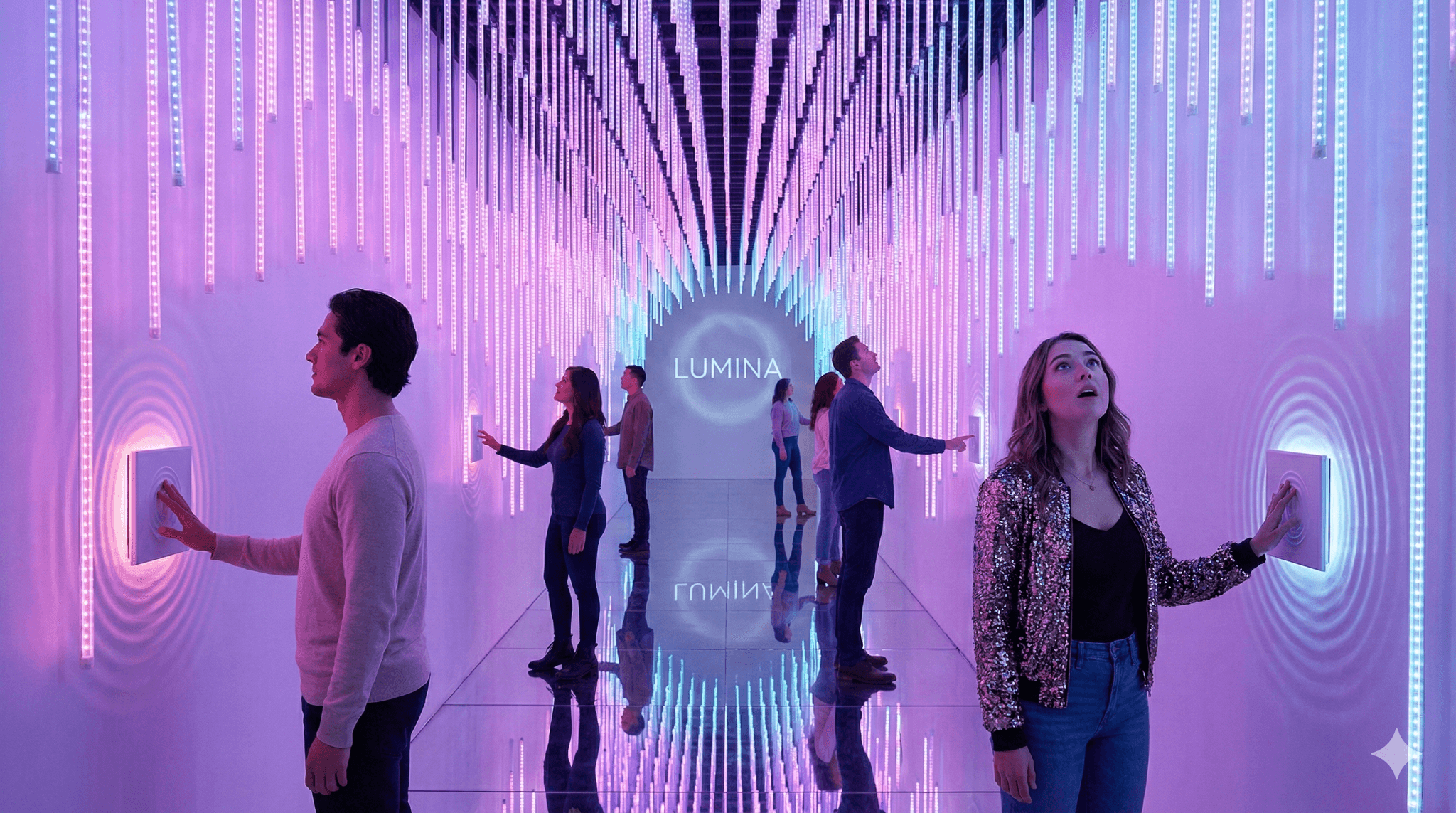
Creating experiences that evoke specific feelings. Master the art and science of designing for emotional impact.
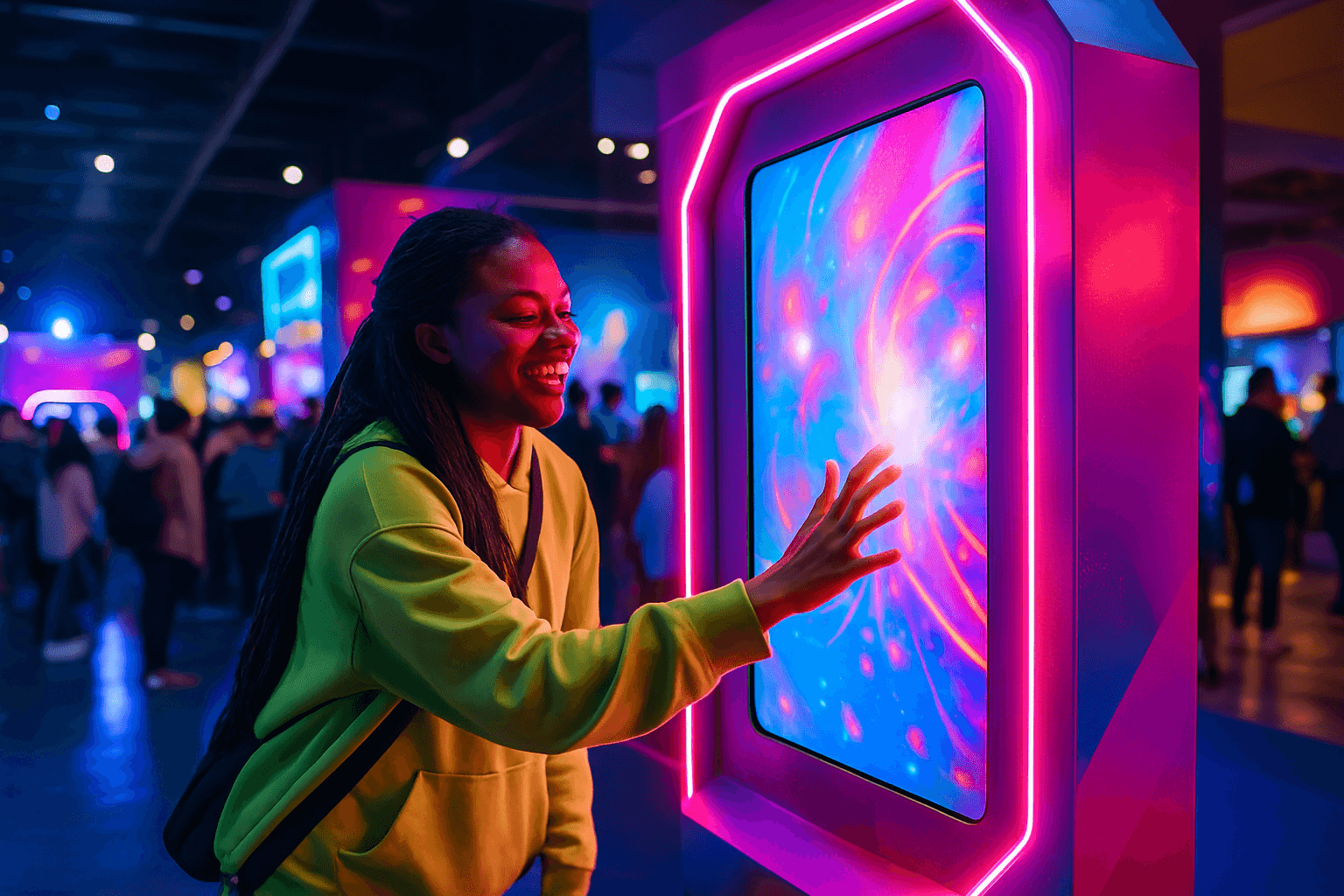
Real-world brand activations, events, and immersive experiences.

Learn how the banking, insurance, and fintech industries are building connections with customers.

How brands tap into culture, movements, and digital communities.

Platforms and tools that connect to Ether for seamless data sharing and interoperability.
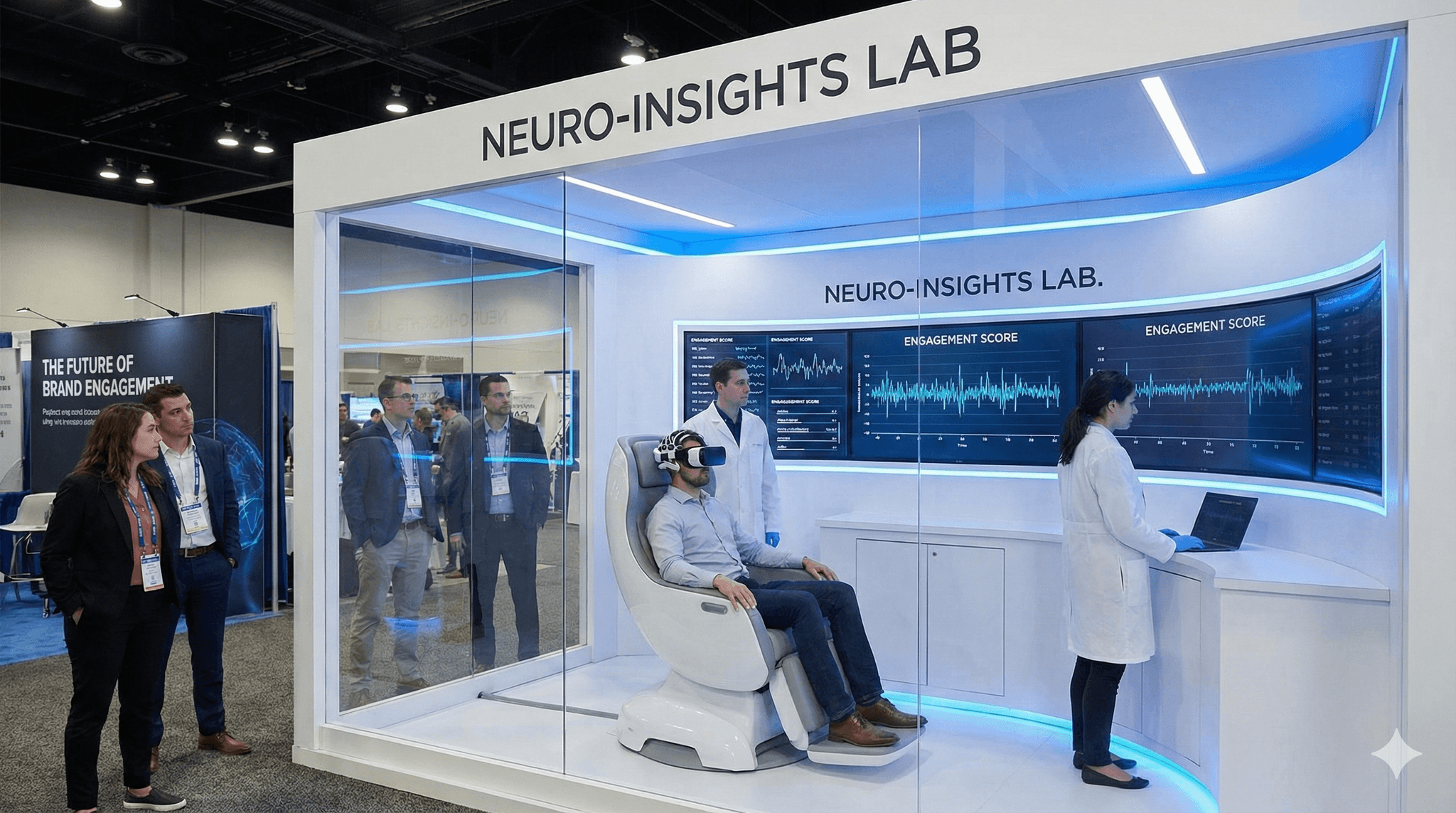
Brain science meets marketing - insights from neuroscience. Understand how the brain processes brand experiences and makes decisions.
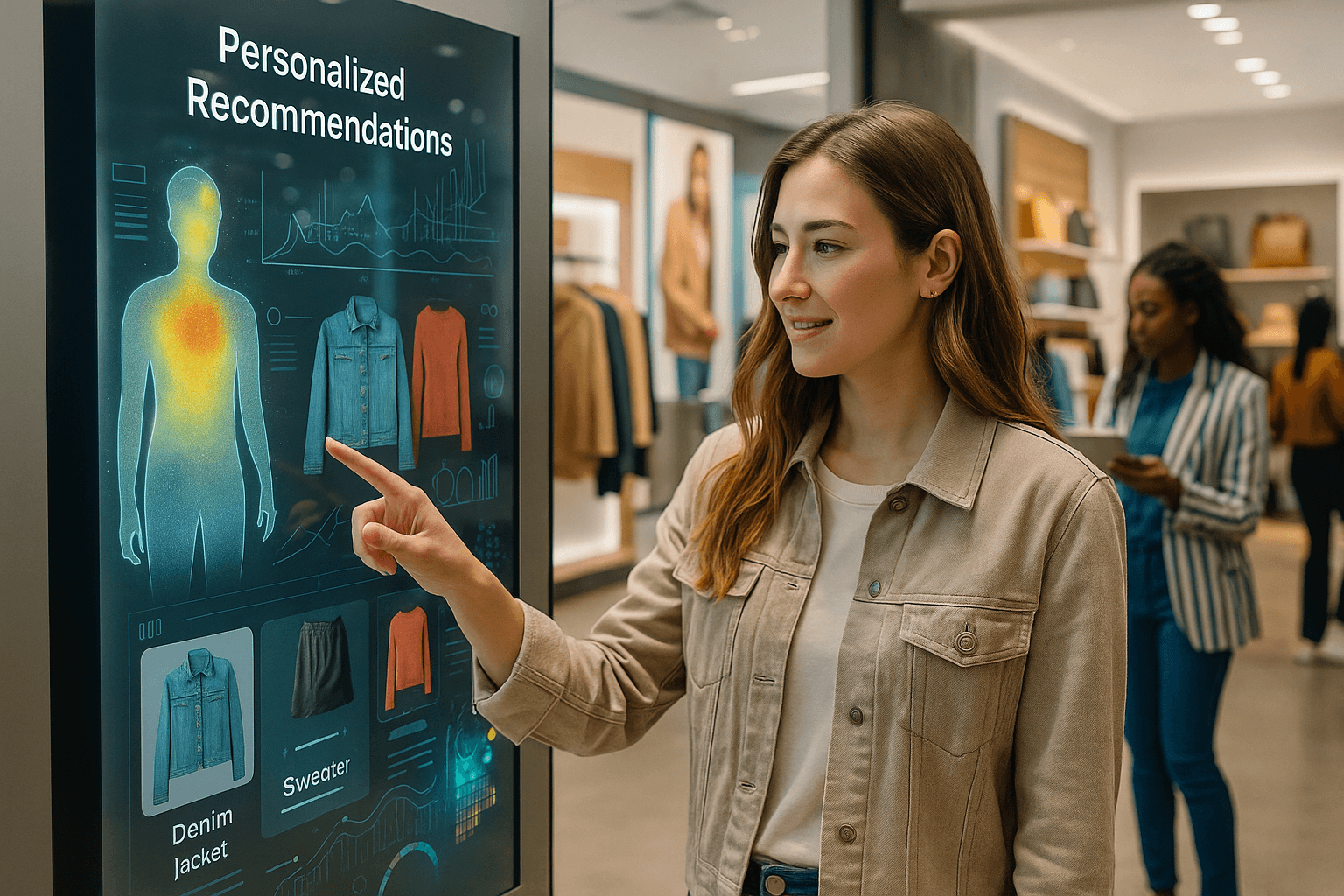
Strategies and case studies for modern retailers driving digital innovation.

Explore how technology companies leverage experiential marketing to humanize their products, create memorable launch events, and stand out at trade shows.

Immersive web experiences, interactive media, and design.