
The Power of Storytelling in Interactive Brand Experiences
Explore how narrative elements in interactive gaming, exemplified by Fortnite's 'Galactic Battle,' drive user engagement and enrich player experiences.

Epic Collaborations: The Power of Storytelling in Interactive Gaming
Unraveling the Magic of Storytelling in Gaming
Let’s be real: gaming isn’t just about pressing buttons and accumulating points anymore. It’s transformed into a vast narrative landscape, where each character, each map, and each mission contributes to a larger story. And if you think about it, who doesn’t love a good story? From epic quests to heart-wrenching moments, storytelling is at the heart of immersive gaming, marrying technology and creativity like never before.
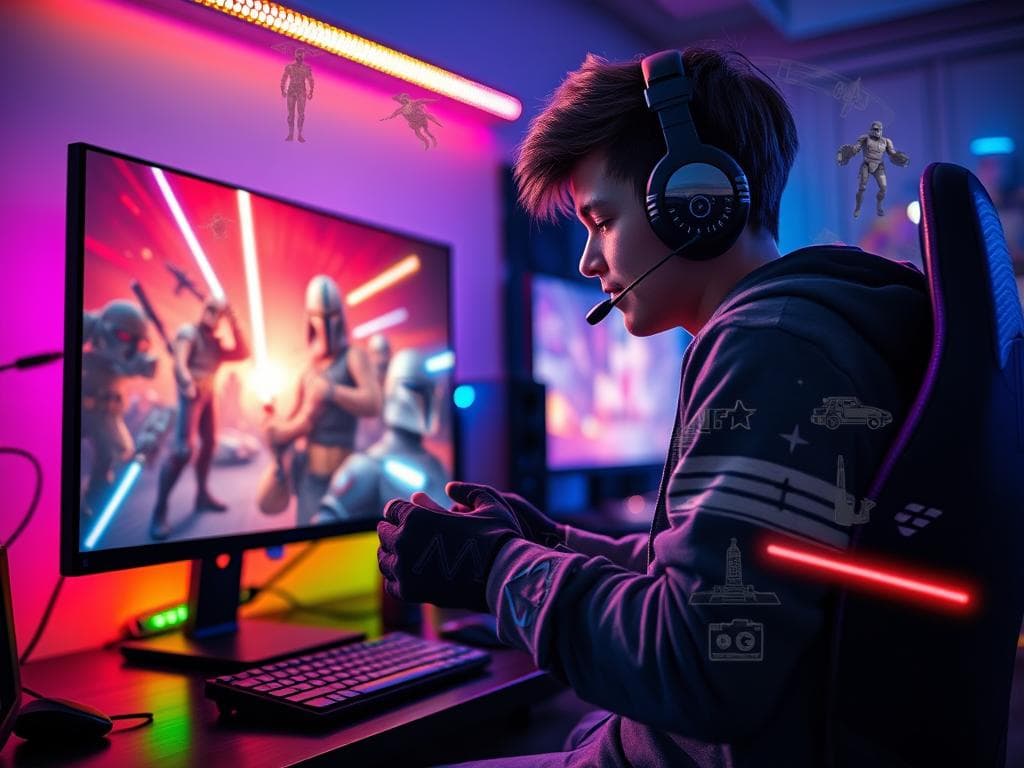
One standout example is Fortnite’s latest season, “Galactic Battle.” This season, sprinkled with iconic Star Wars themes, showcases just how deeply intertwined narrative elements can enhance user engagement. So, grab your lightsaber and buckle up, because we’re about to explore how storytelling in interactive gaming is revolutionizing our playtime experiences.
Immersive Storytelling: Creating Dynamic Worlds
What makes Fortnite’s “Galactic Battle” a prime example of narrative-driven gameplay? For starters, it takes the beloved Star Wars franchise, plenty epic in its own right, and merges it seamlessly with the interactive landscape of Fortnite. As players traverse this new universe, they're not just earning experience points; they're stepping into a world that feels alive, rich with history and lore.
Imagine landing on a vibrant planet, surrounded by characters you grew up idolizing. Suddenly, your gameplay feels significant, doesn’t it? You're not merely some avatar skimming through levels; you're part of an ongoing saga. Through vivid storytelling, players engage with more than just mechanics, they engage emotionally with the content.
User Engagement through Interactive Narratives
So, what really captures an audience’s heart? It’s the emotional resonance of the story. When a player feels connected to the plot and characters, their investment skyrockets. Here, interactive narratives come into play. You can think of them as choose-your-own-adventure stories, but for the digital age. Players have the power to make choices that influence outcomes, creating a sense of ownership over the narrative.
In “Galactic Battle,” choices might involve aligning with iconic characters or even deciding between different paths of action. This interactive storytelling ensures engagement isn’t just surface-level, but rather dives deeper, encouraging players to think strategically about their next move while thinking of characters they cherish.

The Collaborative Wonders of Brand and Gaming Partnerships
Let’s chat about collaborations. When brands like Star Wars partner with gaming platforms like Fortnite, it’s not just a simple crossover; it’s a harmonious blend of two cultural phenomena. Think of it as the perfect duet, a synergy that enriches both universes. Thousands of fans from different realms unite under these projects, collectively marveling at the seamless integration of beloved lore into gameplay mechanics.
These strategic partnerships also open avenues for marketers. Creating experiences that resonate with cultural touchpoints drives engagement and amplifies brand reach. It works because it's not just about selling products; it’s about creating memorable adventures that stick with players.
Evolving Gaming Mechanics for Storytelling
You might be wondering: how exactly do these collaborations influence gameplay mechanics? Well, it’s all about evolution! Games are no longer static experiences. As they weave in complex narratives, they’ve started adopting mechanics that reflect the emotional weight of the stories they tell. From quests tied to character arcs to environments that shift based on player decisions, the mechanics of gaming are now intricately designed to serve the storytelling essence.
This evolution reflects a broader trend in both gaming and entertainment. Franchise storytelling, where narratives span across platforms, including movies, merchandise, and games, has become a prevailing format. What started as side quests in RPGs to enrich character backstories has quickly transformed into intricate, multi-dimensional experiences.
The Future: Gaming as a Premier Medium for Storytelling
As we look to the horizon, the future of gaming as a storytelling medium shines bright. With advancements in technology, emerging platforms, and a growing understanding of audience desires, gamers are poised to embrace even more immersive narratives. Trends like virtual reality (VR) and augmented reality (AR) are just scratching the surface.
Can you imagine stepping into a VR world where your decisions shape not just the story but the very fabric of that universe? That future isn’t as far off as you think.
And let’s not forget how essential community will be in this storytelling journey. Gamers are increasingly engaging in social storytelling, sharing experiences and interpretations online. This collective narrative-building adds yet another layer to the gaming experience, transforming solo adventures into shared journeys, filled with conversations, debates, and even nostalgia.
What Can Marketers Learn from Gaming Storytelling?
Now, here lies a treasure trove of insights for marketers across the board. Understanding the elements that make gaming narratives successful offers valuable lessons for brand storytelling. Here’s what marketers might consider:
-
Emotional Connection: Create narratives that resonate with your audience on a personal level. Just like Fortnite engages players through stories they love, think about how your brand can weave in storytelling that resonates.
-
Interactive Engagement: Consider how your brand can encourage customer interaction. Interactive social media campaigns or gamified experiences can keep your audience engaged while fostering a loyal community.
-
Cultural Relevance: By aligning your campaigns with trending films, music, or events, you can capture audience attention much like collaborations in gaming keep fans interested.
-
Community Building: Create spaces where your audience can share experiences with your brand. Sometimes the best stories are told not just through official channels but in community spaces where fans gather.
Wrapping Up: The Next Chapter in Interactive Gaming
So there you have it, the power of storytelling in interactive gaming is undeniably profound. Through experiential layers, emotional resonance, and collaborative endeavors, this aspect of gaming not only enriches playtime but excites marketers and brands alike.
As the digital landscape continues to evolve, we stand on the brink of new narratives and experiences waiting to be unveiled. Pairing compelling stories with interactive platforms creates opportunities unlike any we’ve seen before.
Are you ready for your next adventure? Whether you're a player looking to level up in Fortnite’s “Galactic Battle,” a brand strategist aiming to weave your narrative into the gaming realm, or simply an enthusiast captivated by this unfolding story, one thing’s for sure: the future of storytelling in interactive gaming is going to be epic.
Related Articles

Captivate Customers with Interactive Experiences That Drive Loyalty
Explore the power of interactive marketing and learn how emotional connections and storytelling can drive customer loyalty in today’s marketplace.
 Miriam Arbus
Leverage Emotional Data to Drive Luxury Sales with Advanced Analytics and Storytelling
Discover how luxury automotive brands can harness emotional data and immersive storytelling to create powerful customer connections that accelerate sales and build lasting loyalty.
Miriam Arbus
What Is Behavior Intelligence in Marketing?
Behavior Intelligence is the capability to measure behavior during brand experiences and translate it into defensible business insight. Learn what it is, how it works, and why it matters for experiential marketing.
Miriam ArbusInterested in implementing this for your brand?