
Emotional Design Principles: Creating Experiences That Resonate
Learn the foundational principles of emotional design. Discover how to create products, interfaces, and experiences that connect with users on a deeper level.
Emotional Design Principles: Creating Experiences That Resonate
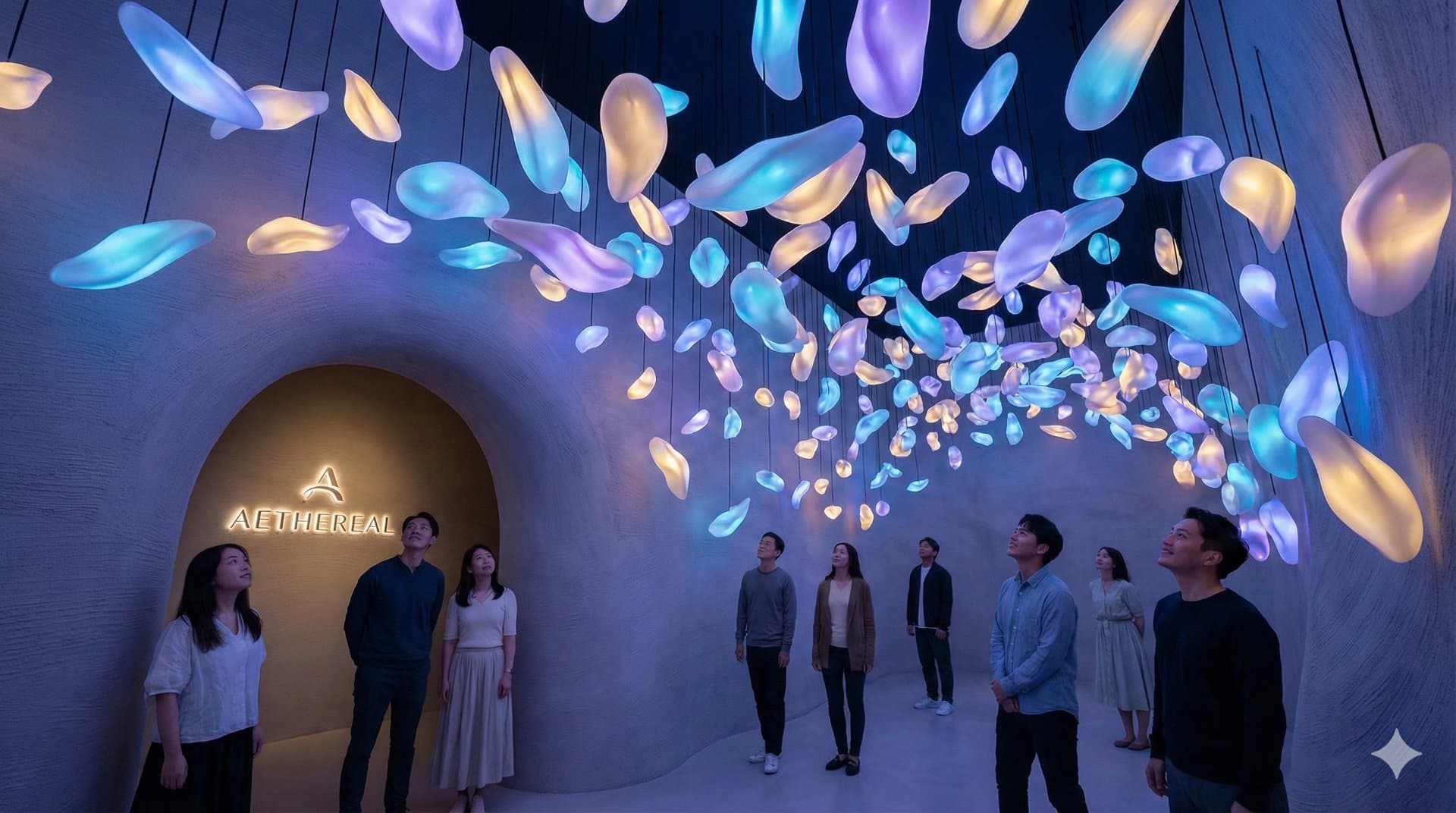
Great design doesn't just work, it makes people feel something. Emotional design is the practice of creating products, interfaces, and experiences that connect with users on a visceral, behavioral, and reflective level.
What is Emotional Design?
The Don Norman Framework
Don Norman, in his seminal book "Emotional Design," identified three levels of emotional processing:
Visceral Level: Immediate, automatic reactions to sensory input
- First impressions
- Aesthetic appeal
- Gut reactions
Behavioral Level: Feelings that come from using something
- Ease of use
- Effectiveness
- Pleasure of interaction
Reflective Level: Conscious thought about the experience
- Self-image
- Personal meaning
- Memory and storytelling
Why Emotional Design Matters
Differentiation: In a world of functional parity, emotion is the differentiator.
Loyalty: Emotional connections drive repeat engagement and advocacy.
Forgiveness: Users forgive usability issues when they love the experience.
Premium Perception: Emotionally designed products command higher prices.
Core Principles of Emotional Design
Principle 1: Design for Delight
Beyond Usability: Usability is the baseline. Delight is the goal.
Creating Delight:
- Surprise with unexpected positive moments
- Reward engagement with small pleasures
- Add personality to functional elements
- Celebrate user achievements
Example: Mailchimp's high-five animation when you send a campaign transforms a routine action into a moment of celebration.
Principle 2: Establish Personality
Brand as Character: Your product should have a consistent personality that users can relate to.
Personality Elements:
- Voice and tone in copy
- Visual style and aesthetics
- Interaction patterns
- Error handling approach
Personality Spectrum:
- Playful ↔ Serious
- Casual ↔ Formal
- Bold ↔ Subtle
- Warm ↔ Cool
Principle 3: Create Anticipation
The Power of Expectation: Anticipation is often more pleasurable than the experience itself.
Building Anticipation:
- Tease upcoming features or content
- Use progressive disclosure
- Create loading states that engage
- Build narrative arcs in experiences
Principle 4: Design for Memory
Peak-End Rule: People remember experiences by their peak moment and ending, not the average.
Memory Design:
- Create memorable peak moments
- End experiences on a high note
- Design for shareable moments
- Build in reflection opportunities
Principle 5: Embrace Imperfection
The Wabi-Sabi Principle: Perfect can feel sterile. Intentional imperfection creates warmth.
Humanizing Design:
- Hand-drawn elements
- Asymmetry and organic shapes
- Personal touches
- Authentic, imperfect imagery
Principle 6: Respect Emotional States
Context Awareness: Users come to experiences in different emotional states.
Adaptive Design:
- Calm design for stressed users
- Energizing design for bored users
- Supportive design for frustrated users
- Celebratory design for successful users
Emotional Design by Element
Color and Emotion
Color Psychology:
- Red: Energy, urgency, passion
- Blue: Trust, calm, professionalism
- Yellow: Optimism, warmth, caution
- Green: Growth, health, balance
- Purple: Luxury, creativity, mystery
- Orange: Enthusiasm, confidence, friendliness
Color Strategy:
- Define emotional intent first
- Choose colors that support intent
- Consider cultural variations
- Test with real users
Typography and Emotion
Font Personality:
- Serif: Traditional, trustworthy, sophisticated
- Sans-serif: Modern, clean, approachable
- Script: Elegant, personal, creative
- Display: Bold, expressive, attention-grabbing
Emotional Typography:
- Size conveys importance and energy
- Weight creates emphasis and mood
- Spacing affects readability and feel
- Hierarchy guides emotional journey
Motion and Emotion
The Power of Animation: Motion brings interfaces to life and communicates personality.
Emotional Motion:
- Easing curves affect feel (bouncy vs. smooth)
- Duration affects energy (quick vs. leisurely)
- Choreography creates narrative
- Feedback animations confirm and delight
Motion Principles:
- Purposeful (every animation has a reason)
- Natural (follows physics expectations)
- Consistent (reinforces personality)
- Performant (never frustrates with lag)
Sound and Emotion
Audio Design: Sound creates immediate emotional response.
Emotional Audio:
- Notification sounds that please, not annoy
- Background audio that sets mood
- Interaction sounds that satisfy
- Success sounds that celebrate
Space and Emotion
The Role of Whitespace: Space isn't empty, it's breathing room.
Emotional Spacing:
- Generous space feels luxurious
- Tight space feels energetic
- Balanced space feels harmonious
- Asymmetric space feels dynamic
Designing Emotional Journeys
Mapping the Emotional Arc
Journey Phases:
- Anticipation - Building excitement before engagement
- Entry - First impression and orientation
- Engagement - Core experience and interaction
- Peak - Memorable high point
- Resolution - Satisfying conclusion
- Reflection - Processing and memory formation
Designing Each Phase
Anticipation:
- Marketing that creates desire
- Onboarding that builds excitement
- Preview experiences that tease value
Entry:
- Welcoming first impressions
- Clear orientation
- Immediate value demonstration
Engagement:
- Smooth, pleasurable interactions
- Progressive complexity
- Regular small rewards
Peak:
- Designed memorable moment
- Emotional intensity
- Shareable experience
Resolution:
- Clear completion signals
- Satisfaction confirmation
- Next step invitation
Reflection:
- Summary and celebration
- Sharing opportunities
- Memory anchors
Measuring Emotional Design
Qualitative Methods
User Interviews:
- How did that make you feel?
- What was the most memorable moment?
- Would you tell a friend about this?
Observation:
- Facial expressions during use
- Body language and posture
- Verbal reactions and comments
Diary Studies:
- Emotional responses over time
- Memory and recall quality
- Relationship development
Quantitative Methods
Emotional Metrics:
- Emotional engagement scores
- Peak moment identification
- Sentiment analysis of feedback
Behavioral Proxies:
- Return visit rate
- Session duration
- Feature adoption
- Referral rate
Common Emotional Design Mistakes
Mistake 1: Emotion Without Function
Delight can't compensate for broken functionality. Usability first, then emotion.
Mistake 2: Forced Personality
Personality should feel natural, not performed. Authenticity matters.
Mistake 3: One Emotion Fits All
Different contexts require different emotional tones. Adapt to situation.
Mistake 4: Ignoring Negative Emotions
Error states and frustrating moments need emotional design too.
Mistake 5: Cultural Blindness
Emotional responses vary by culture. Design for your audience.
Conclusion
Emotional design transforms functional products into beloved experiences. By understanding how design elements affect emotions and intentionally designing for emotional impact, you create products that users don't just use, they love.
The goal isn't to manipulate emotions but to create genuine value through emotional connection. When design makes people feel good, everyone wins.
Related Articles

Designing for Joy: How to Create Delightful User Experiences
Joy is the ultimate design goal. Learn practical techniques for infusing delight into every interaction, from micro-animations to surprise moments.
 Miriam Arbus
Level Up Streaming: Data-Driven Experiences
Explore how Warner Bros. Discovery's streaming asset sell-off is reshaping the industry and why data-driven streaming experiences powered by Ether are key to future success in a competitive streaming landscape.
 Justin O'Heir
Data-Driven Design: Boost Brand Engagement
Discover how leveraging customer insights through data-driven design transforms product innovation, boosts brand engagement, and builds lasting customer loyalty.
Justin O'HeirInterested in implementing this for your brand?