
From Frustration to Flow: Removing Emotional Friction
Learn to identify and eliminate emotional friction in brand experiences. Transform frustrating moments into opportunities for connection and delight.

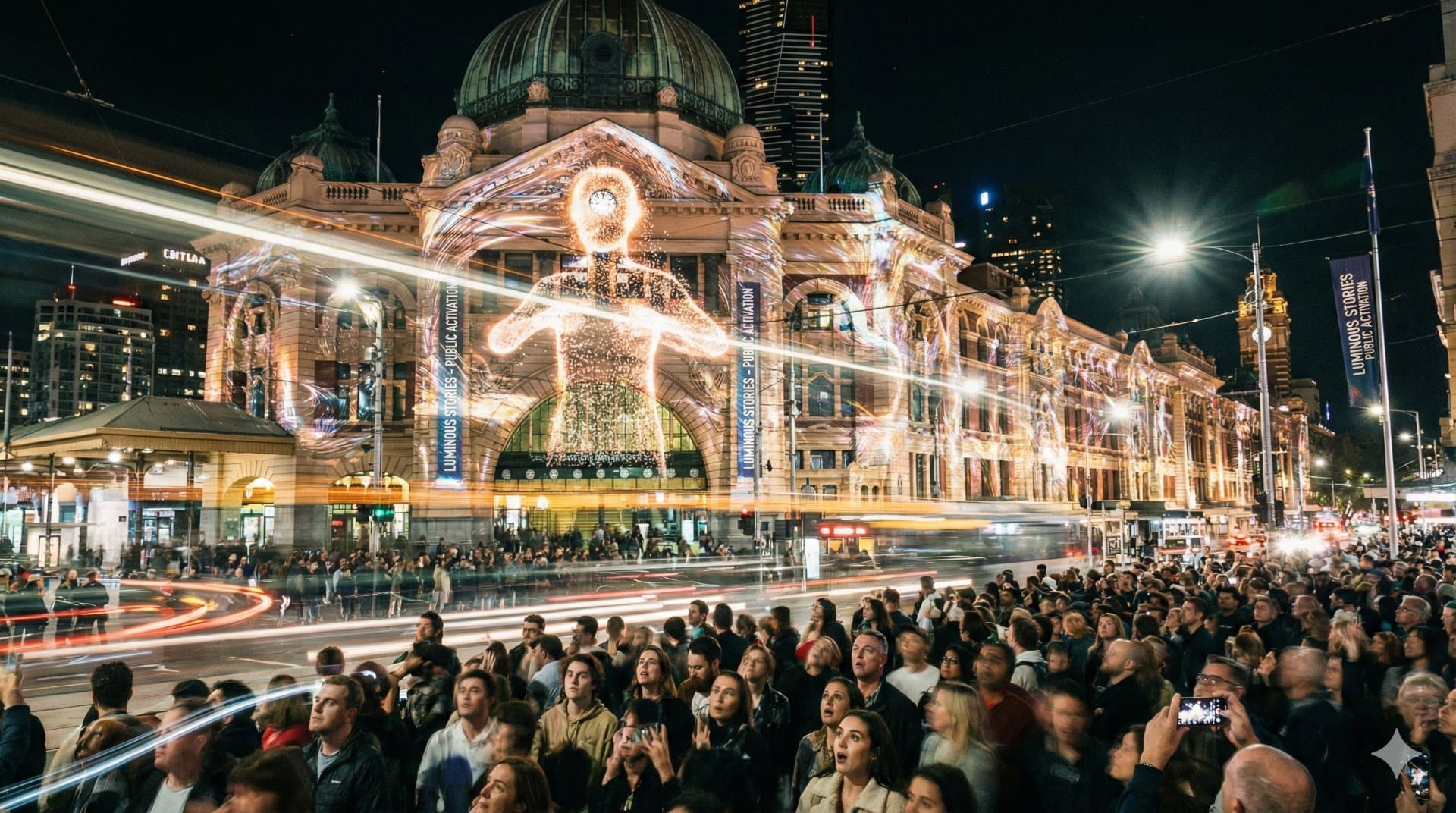
The Hidden Cost of Friction
Every frustrating moment in a brand experience has a cost, not just in abandoned transactions or negative reviews, but in emotional damage to the customer relationship. Removing emotional friction isn't just about efficiency; it's about protecting and building emotional equity.
Understanding Emotional Friction
What Is Emotional Friction? Emotional friction is any element of an experience that creates negative emotions, frustration, confusion, anxiety, annoyance, or disappointment. It's the emotional tax customers pay to engage with your brand.
Sources of Emotional Friction:
- Confusing navigation or wayfinding
- Unclear instructions or expectations
- Long wait times without context
- Broken promises or unmet expectations
- Impersonal or dismissive treatment
- Technical failures or glitches
- Inconsistent experiences
- Hidden information or surprises
The Accumulation Effect Small frictions accumulate. Each minor frustration adds to an emotional debt that eventually comes due, in complaints, abandonment, or lost loyalty.
The Flow State: The Opposite of Friction
Psychologist Mihaly Csikszentmihalyi described "flow" as a state of complete absorption where challenges match abilities and progress feels effortless. In brand experiences, flow means:
- Clear goals and expectations
- Immediate feedback
- Balance between challenge and skill
- Sense of control
- Focused attention
- Intrinsic reward
Removing friction is the first step toward enabling flow.
Identifying Emotional Friction
Customer Feedback Analysis Mine complaints and feedback for friction indicators:
- Words like "frustrated," "confused," "annoying"
- Abandoned journeys and their causes
- Support ticket themes
- Social media complaints
Journey Observation Watch customers navigate your experience:
- Where do they hesitate?
- Where do they ask for help?
- Where do expressions change?
- Where do they give up?
Employee Insights Staff see friction daily:
- What questions do they answer repeatedly?
- What complaints do they hear?
- What workarounds have they developed?
- What would they change?
Data Analysis Behavioral data reveals friction:
- Drop-off points in funnels
- Time spent on simple tasks
- Error rates and retries
- Support contact triggers
Common Friction Points in Brand Experiences
Pre-Experience Friction
- Unclear event information
- Complicated registration
- Confusing directions
- Uncertain expectations
Arrival Friction
- Long entry lines
- Poor wayfinding
- Unwelcoming environment
- Disorienting layout
During-Experience Friction
- Confusing navigation
- Inadequate information
- Long waits without context
- Unresponsive staff
- Technical failures
Transaction Friction
- Complicated checkout
- Hidden fees or surprises
- Limited payment options
- Slow processing
Departure Friction
- Abrupt endings
- Difficult exit navigation
- No closure or acknowledgment
- Complicated follow-up
Friction Removal Strategies
1. Anticipate and Prevent Address friction before it occurs.
Tactics:
- Clear pre-experience communication
- Proactive FAQs and guidance
- Environment design that prevents confusion
- Staff positioned at friction points
2. Simplify and Clarify Reduce complexity wherever possible.
Tactics:
- Streamline processes
- Use plain language
- Provide clear visual guidance
- Eliminate unnecessary steps
3. Acknowledge and Explain When friction is unavoidable, manage the emotional impact.
Tactics:
- Explain reasons for waits or complications
- Provide accurate time estimates
- Acknowledge frustration
- Offer alternatives where possible
4. Compensate and Recover When friction occurs, make it right.
Tactics:
- Empower staff to resolve issues
- Provide meaningful recovery gestures
- Follow up after problems
- Learn and prevent recurrence
5. Transform Friction into Delight Turn necessary waits or challenges into positive experiences.
Tactics:
- Entertainment during waits
- Gamification of challenges
- Surprise rewards for patience
- Community building in queues
The Friction-to-Flow Framework
Step 1: Map Current Experience Document every step of the customer journey, noting emotional states.
Step 2: Identify Friction Points Mark moments where negative emotions occur.
Step 3: Prioritize by Impact Rank friction points by:
- Frequency (how often it occurs)
- Intensity (how negative the emotion)
- Consequence (what customers do as a result)
Step 4: Analyze Root Causes For each priority friction point, understand why it exists:
- Process issue?
- Design problem?
- Resource constraint?
- Communication gap?
Step 5: Design Solutions Create interventions that address root causes:
- Remove the friction entirely
- Reduce its frequency or intensity
- Mitigate its emotional impact
- Transform it into something positive
Step 6: Implement and Measure Deploy solutions and track impact:
- Friction occurrence rates
- Emotional response changes
- Business outcome improvements
Case Studies in Friction Removal
Case 1: Queue Transformation A theme park transformed their notorious wait times:
Friction: Long, boring queues creating frustration Solution: Interactive queue experiences, accurate wait times, entertainment Result: Wait time perception reduced 40%, satisfaction increased 35%
Case 2: Registration Simplification A conference simplified their check-in process:
Friction: Complicated registration, long lines, confusion Solution: Pre-registration, QR code check-in, clear signage Result: Check-in time reduced 70%, arrival satisfaction increased 52%
Case 3: Error Recovery Excellence A retailer transformed their complaint handling:
Friction: Defensive responses, slow resolution, no follow-up Solution: Empathy training, empowered resolution, proactive follow-up Result: Complaint satisfaction increased 89%, repeat purchase rate improved 34%
Measuring Friction Reduction
Process Metrics:
- Task completion rates
- Time to completion
- Error rates
- Support contact rates
Emotional Metrics:
- Frustration indicators
- Satisfaction at friction points
- Overall experience sentiment
- Recovery satisfaction
Business Metrics:
- Conversion rates
- Abandonment rates
- Customer lifetime value
- Net Promoter Score
Building a Friction-Free Culture
Leadership Commitment Make friction removal a strategic priority, not just a tactical fix.
Customer Empathy Ensure everyone experiences the journey as customers do.
Continuous Monitoring Build systems to detect and address friction continuously.
Empowered Resolution Give frontline staff authority to resolve friction immediately.
Learning Organization Treat every friction incident as an opportunity to improve.
Friction is the enemy of emotional connection. Every moment of frustration is a moment where the relationship weakens. By systematically identifying and removing friction, brands create space for positive emotions to flourish, and for flow states that customers remember and return for.
Related Articles
Emotional Design Principles: Creating Experiences That Resonate
Learn the foundational principles of emotional design. Discover how to create products, interfaces, and experiences that connect with users on a deeper level.
 Miriam Arbus
Designing for Joy: How to Create Delightful User Experiences
Joy is the ultimate design goal. Learn practical techniques for infusing delight into every interaction, from micro-animations to surprise moments.
Miriam Arbus
Designing for Delight: Creating Memorable Moments
Learn the art and science of designing delightful experiences. Discover how to create moments of unexpected joy that customers remember and share.
Miriam ArbusInterested in implementing this for your brand?