
Boost Brand Loyalty with Interactive Experiences
Discover how innovative brands are using temporary and permanent tattoos to create immersive, emotional connections that drive lasting loyalty in a crowded marketplace.
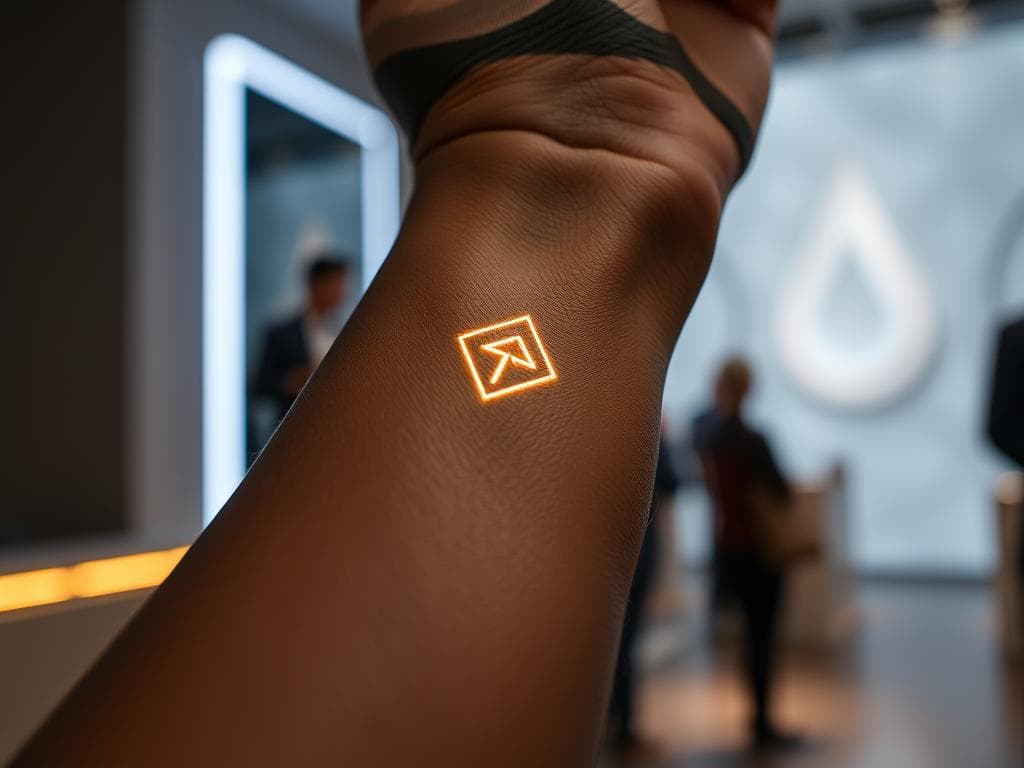
Boost Brand Loyalty with Interactive Experiences
Brand Loyalty: The Ink-redible New Frontier of Experiential Marketing
Let’s be honest: brand loyalty isn't what it used to be. In a marketplace flooded with choices, consumers have grown more cynical and less attached to traditional advertising. So, how exactly does a brand cut through the noise and build a genuine, sticky connection with its audience? The answer might just be under their skin, literally. Welcome to the bold, sometimes edgy world of using temporary and permanent tattoos as a tool in experiential marketing. It sounds wild, right? But here’s the thing: this trend is turning heads and re-shaping how brands establish loyalty in the age of experience-over-everything.
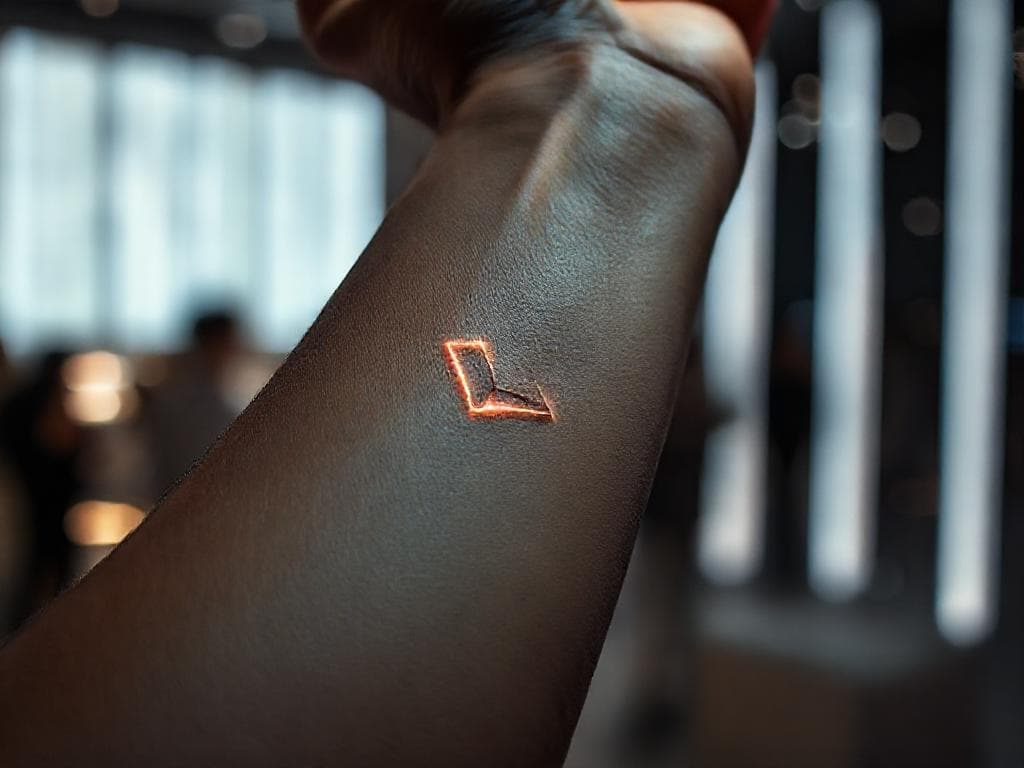
The Rise of Experiential Marketing: More Than Just a Buzzword
Experiential marketing isn’t just about slapping logos on swag bags anymore. It’s evolved into creating moments that people not only remember but wear. Think about it, traditional advertising speaks at consumers; experiential marketing speaks with them. It pulls them in, gets their heart pumping, and anchors a brand into their personal story. A well-designed interactive experience can take an otherwise fleeting impression and cement a deep emotional bond.
Now, tattoos, a centuries-old form of self-expression and identity, are being leveraged by brands to make this connection visceral and visible. A tattoo isn’t a billboard; it’s a conversation starter, a badge of honor, a piece of art that lives on skin and, metaphorically, in memory. The question is: how did this ink-redible idea emerge from the fringes and seep into mainstream marketing strategy?
The Psychology of Brand Tattoos: Why Ink Matters
Let's unwrap the psychology behind this. Tattoos have an almost primal tie to identity and belonging. When someone agrees to put a tattoo on their body, even temporarily, they're making a statement of allegiance, intentional or not. So, how does this translate into brand loyalty?
Firstly, tattoos evoke commitment. Unlike a simple "like" on social media, a tattoo is a physical mark. That act of marking the skin, no matter how fleeting, triggers a sense of ownership and pride, and that’s gold for marketers. It pushes a brand from being just another logo to part of the customer's story. Besides, the social nature of tattoos invites conversations, turning brand advocates into walking ambassadors.
Secondly, there’s the exclusivity factor. Limited-edition or event-specific tattoos generate urgency, the “you had to be there” vibe, and create a tight-knit community among those “marked.” It’s like instant club membership with visible membership cards. The result? Stronger emotional connections and higher brand engagement.
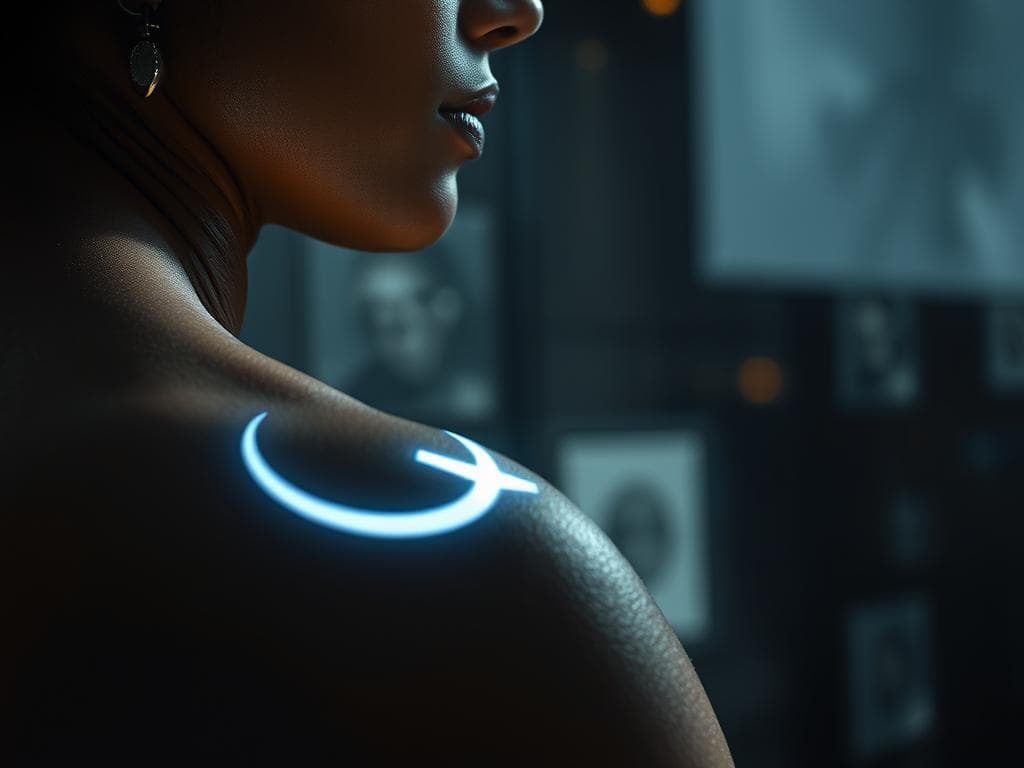
Risk vs. Reward: When Extreme Engagement Runs Its Course
Of course, no strategy is without its hazards. Tattoos, permanent ones especially, aren’t your standard sweepstakes or sponsored coffee mugs. Brands flirting with ink walk a tightrope between adventurous innovation and outright recklessness.
On the reward side: when done right, these tattoo campaigns can generate viral buzz, build authentic brand advocates, and inject fresh life into stale marketing playbooks. They signal to consumers that the brand isn’t scared to embrace boldness and creativity. Sometimes, that’s precisely the differentiation brands need.
But, and this is a significant but, the risks aren’t small. How does a brand ensure that the tattoo resonates positively, rather than becoming a nightmare of missteps or backlash? What happens if the design, messaging, or connection to the brand misses the mark or worse, offends? There’s also a reputational risk: a permanent mark is a serious commitment, and if consumers later regret their decision, the brand may face unintended negative associations.
Temporary tattoos help mitigate some risks, offering the thrill without the long-term liability. Still, brands have to think through the ethical and emotional ramifications deeply. Transparency, informed consent, and cultural sensitivity become non-negotiables.
The Future of Immersive Brand Experiences: From Skin to Soul
Here’s an exciting thought: what if tattoos are just the beginning? We’re living in a time where immersive technologies, AR, VR, and even Haptic Feedback, are converging with tactile, physical experiences. This hybrid might be the next leap in experiential marketing.
Imagine events where your branded tattoo triggers an augmented reality experience visible only through your smartphone, or concerts where inked fans unlock exclusive content just by showing their tattoos. The opportunities for connection don’t stop at the skin; they expand into interactive narratives that envelop the audience’s senses and emotions.
What’s clear is that brands exploring this frontier aren’t just playing with ink, they’re playing with identity, emotion, and culture. Companies that can balance creativity with care, excitement with ethics, stand to pioneer a new era in customer engagement.
So, What Should Brands Do Next?
If you’re a marketer or brand manager wondering whether to take the plunge, start by asking yourself: can this kind of experiential marketing genuinely fit my brand’s DNA? Does it resonate authentically with our audience, or are we chasing novelty?
Here’s a quick checklist to think through before breaking out the tattoo kits:
- Audience alignment: Who are your customers? Will they find value or excitement in this kind of extreme engagement?
- Design with purpose: The tattoo should tell a story, one meaningful to both brand and consumer.
- Ethical clarity: Transparent communication and respect for personal choice must be front and center.
- Safety and sanitation: If you’re going permanent, health concerns can’t be overlooked.
- Post-event engagement: Tattoos don’t end the story, they kick off ongoing conversations, so plan accordingly.
You know what? For those willing to think differently, to bring some edge into their event experiences and genuinely connect at an emotional level, brand tattoos and similar interactive experiences offer a standout way to deepen loyalty. It’s bold, it’s edgy, and yes, sometimes risky. But in marketing, risk often comes hand-in-hand with reward.
To wrap it up: as consumers crave connection that feels personal and immersive, brands that put the “experience” in experiential marketing, sometimes right on skin, will write the next chapter in customer loyalty. So, are you ready to make your mark?
Curious about how to craft your brand’s next unforgettable experience? Reach out to the Ether team today and start creating moments your audience will carry forever.
Related Articles

Immersive Brand Experiences: The Future is Now
Discover how immersive brand experiences are revolutionizing consumer engagement by blending storytelling, technology, and data into unforgettable emotional journeys. Explore insights from Andreessen Horowitz’s Disrupt 2025 and why Ether is leading this creative tech revolution.
 Justin O'Heir
Ignite Brand Engagement: Interactive Experiences
Explore how Nike’s “Terrifying Talent” soccer campaign leverages emotional storytelling and immersive visuals to redefine brand engagement and inspire innovative marketing strategies.
 Miriam Arbus
Level Up Your Brand: Interactive Experiences
Discover how Spotify’s customizable Discover Weekly is revolutionizing personalized content and shaping the future of immersive, interactive brand experiences powered by data and innovative technology.
Justin O'HeirInterested in implementing this for your brand?