
Immersive Brand Experiences: The Future is Now
Discover how immersive brand experiences are revolutionizing consumer engagement by blending storytelling, technology, and data into unforgettable emotional journeys. Explore insights from Andreessen Horowitz’s Disrupt 2025 and why Ether is leading this creative tech revolution.
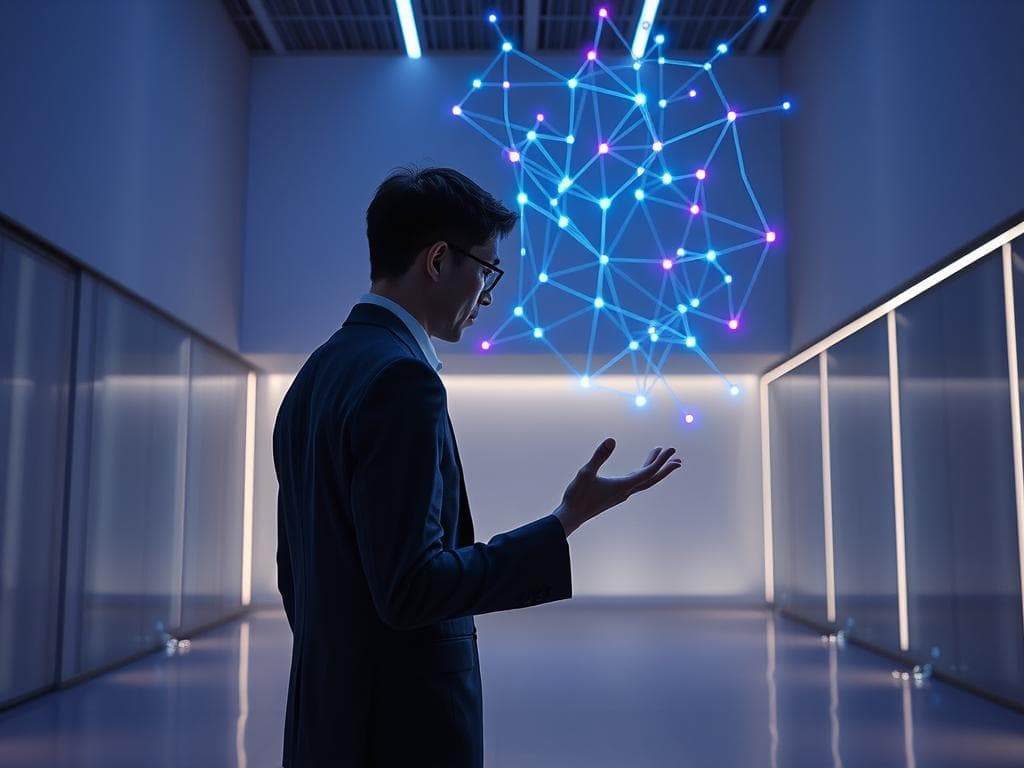
Immersive Brand Experiences: The Future is Now
When Brands Meet Magic, The New Frontier of Immersive Experiences
You ever get that feeling of truly being somewhere else? Not just seeing or hearing it through a screen, but stepping inside a whole other universe. That’s the promise, and the power, of immersive brand experiences. They’re no longer just a sci-fi fantasy or niche gimmick. Thanks to trailblazers like Andreessen Horowitz, and voices such as David George, these experiences are rapidly redefining how brands connect with their audiences.
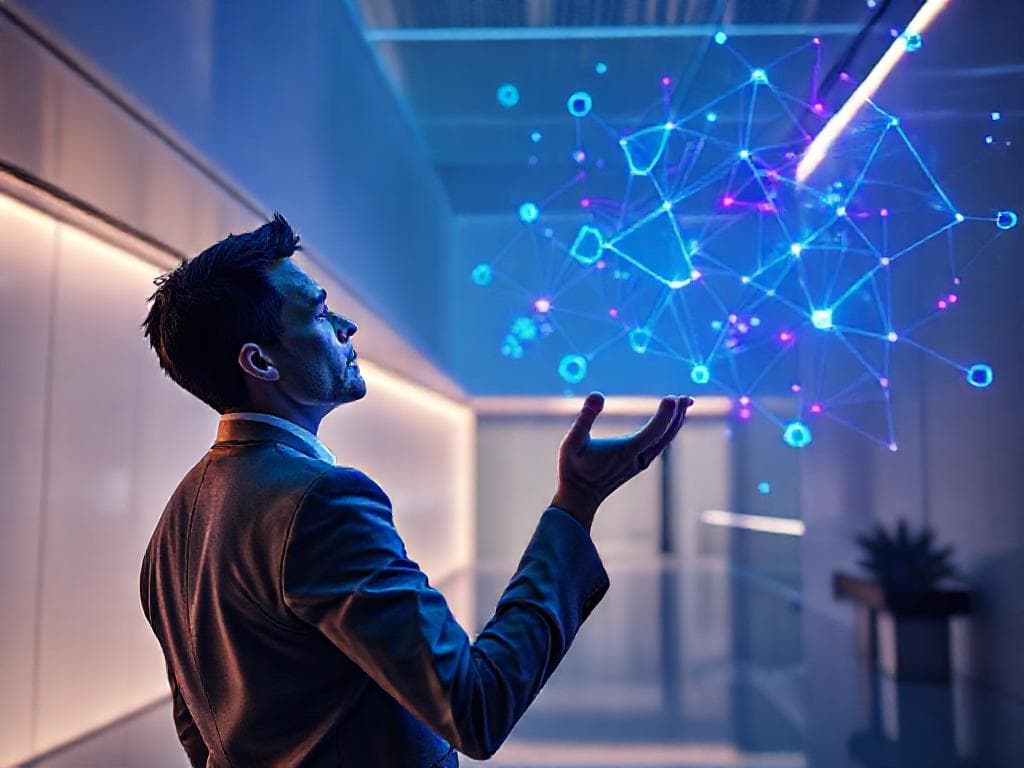
At TechCrunch Disrupt 2025, David George laid out a vision for immersive technologies that’s as electrifying as it is practical. Think about it: brands aren’t just wanting to talk to consumers anymore; they want to envelop them, tell stories that don’t just engage but captivate, convert, and linger in memory. This shift isn’t about flashy tech for tech’s sake, it’s about crafting emotional journeys that fuse design, data, and narrative into a seamless tapestry. And if you’re involved in creative technology or branding, this isn’t a trend to watch from afar. It’s an invitation, a call to innovate and rethink.
Let’s unpack what this means for the future of immersive brand experiences, the investment waves it’s creating, and why Ether, positioned at this nexus of technology and storytelling, might just be the name you want on your radar.
Why Immersive? Why Now?
Digital saturation is a real beast. People, customers, are bombarded with ads, messages, and fleeting content every single day. So, how does a brand stand out without turning into just another noisy voice in the crowd? The answer lies in experience. Not just a product or a logo slapped on a billboard, but a fully immersive environment where the audience doesn’t just consume but participates.
You know the difference when you recall a concert versus a song you heard on the radio? The concert sticks; the song may fade away into a playlist shuffle. Immersive technologies aim to create concert-level recall for brands. At Disrupt 2025, George emphasized that storytelling is no longer linear, it’s interactive, multi-dimensional, and personalized. It’s about the customer stepping into a story, becoming a character rather than a bystander.
Here’s the catch, creating these meaningful experiences takes more than just VR headsets or AR filters. It demands sharp design, a deep understanding of user data, and a narrative that connects on a human level. This is where creative technology companies like Ether come into play. They’re building platforms not just for interaction but for emotional engagement.
And if we zoom out a bit, we see a fascinating confluence of factors making this moment ripe: advances in hardware, leaps in AI-driven personalization, and a cultural hunger for authenticity in marketing. In other words, the timing is just right, and the potential? Almost limitless.
The A16Z Take: Where Money Meets Meaning
Andreessen Horowitz, or A16Z as the cool kids call it, has been quietly but deliberately steering the tech investment ship toward immersive experiences. George’s insights at the conference weren’t merely speculative, they’re a window into where some of Silicon Valley’s sharpest minds are placing their bets.
Investment trends reflect a prioritization of technologies that blend storytelling with robust data analytics. Gone are the days when immersive tech was merely a playground of gimmicks. Today, it’s about measurable brand impact and scalable solutions. Companies that marry creative flair with technical precision are surfacing as winners.
Consider this: A16Z is funneling considerable resources into startups forging new frontiers in AR, VR, and mixed reality, but with a stark difference, they emphasize application in marketing and brand experiences over pure entertainment. What’s intriguing is their appetite for platforms that democratize creation, tools empowering brands to craft immersive stories without needing an army of developers.
For Ether, this is an encouraging landscape. Their focus on building immersive environments that leverage data-driven storytelling aligns perfectly with A16Z’s vision. Also, A16Z’s endorsement trails open doors for partnerships, strategic growth, and a validation stamp that investors and brands find hard to ignore.
Beyond the Buzzwords: Challenges and Horizons for Creative Tech
Look, the promise of immersive brand experiences is dazzling, but nothing worth doing comes without a few head-scratchers. For one, the tech is still evolving, hardware can be pricey, and user adoption is a slow burn. Brands also face the challenge of balancing immersive spectacle with genuine value. You don’t want your experience to feel like a flashy distraction; it needs to be meaningful, authentic, and seamlessly integrated into the brand story.
Data privacy also looms large in this space. Immersive environments collect heaps of user behavior data to personalize experiences, which raises questions, how transparent are brands being? How secure is the data? The industry's watchdogs are paying attention; so must the creators.
But here’s the silver lining: overcoming these challenges pushes creative tech companies to innovate smarter, not harder. Companies like Ether are pioneering solutions that focus on user-friendly design, ethical data use, and scalable architecture. It’s about finding that sweet spot where technology enhances humanity rather than complicates it.
And let’s not forget the cultural ripple effects. Immersive experiences can redefine accessibility, inclusion, and engagement for communities across the globe. They’re an opportunity to bring diverse narratives to life, offering every user a seat at the storytelling table.
Bringing It All Together: Why It Matters for Brands and Consumers Alike
So, what’s the takeaway from this whirlwind of tech, investment, and storytelling? Simply put, the next wave of brand interaction isn’t about shouting louder; it’s about inviting deeper. It’s about crafting moments where technology fades into the background and emotion takes center stage.
Whether you’re an investor hunting for the next big thing, a marketer looking to push boundaries, or a creator dreaming up new realities, knowing where this space is headed gives you a leg up. Taking cues from A16Z’s Disrupt 2025 vision can inform not just what you build, but how you build it, mindful of user experience, data ethics, and narrative engagement.
Companies like Ether are not just participants; they’re pioneers, bridging creative ambition with technical edge. Their work reflects a broader shift: brand experiences are becoming living, breathing worlds where stories aren’t told, they’re felt.
And in a world saturated with fleeting content, that difference? It’s everything.
Curious how immersive brand experiences could shape your next marketing strategy? Or want to see what Ether is cooking up on this front? Drop us a line or check out our latest projects. The future isn’t coming. It’s already here, and trust me, you want to be a part of the story.
Related Articles
Immersive Storytelling: Data-Driven Brand Experiences
Explore how immersive storytelling blends data analytics, live performance, and creative technology to craft authentic, unforgettable brand experiences that engage and resonate.
 Justin O'Heir
Boost Brand Loyalty with Interactive Experiences
Discover how innovative brands are using temporary and permanent tattoos to create immersive, emotional connections that drive lasting loyalty in a crowded marketplace.
 Miriam Arbus
Ignite Brand Engagement: Interactive Experiences
Explore how Nike’s “Terrifying Talent” soccer campaign leverages emotional storytelling and immersive visuals to redefine brand engagement and inspire innovative marketing strategies.
Miriam ArbusInterested in implementing this for your brand?