
Immersive Storytelling: Data-Driven Brand Experiences
Explore how immersive storytelling blends data analytics, live performance, and creative technology to craft authentic, unforgettable brand experiences that engage and resonate.
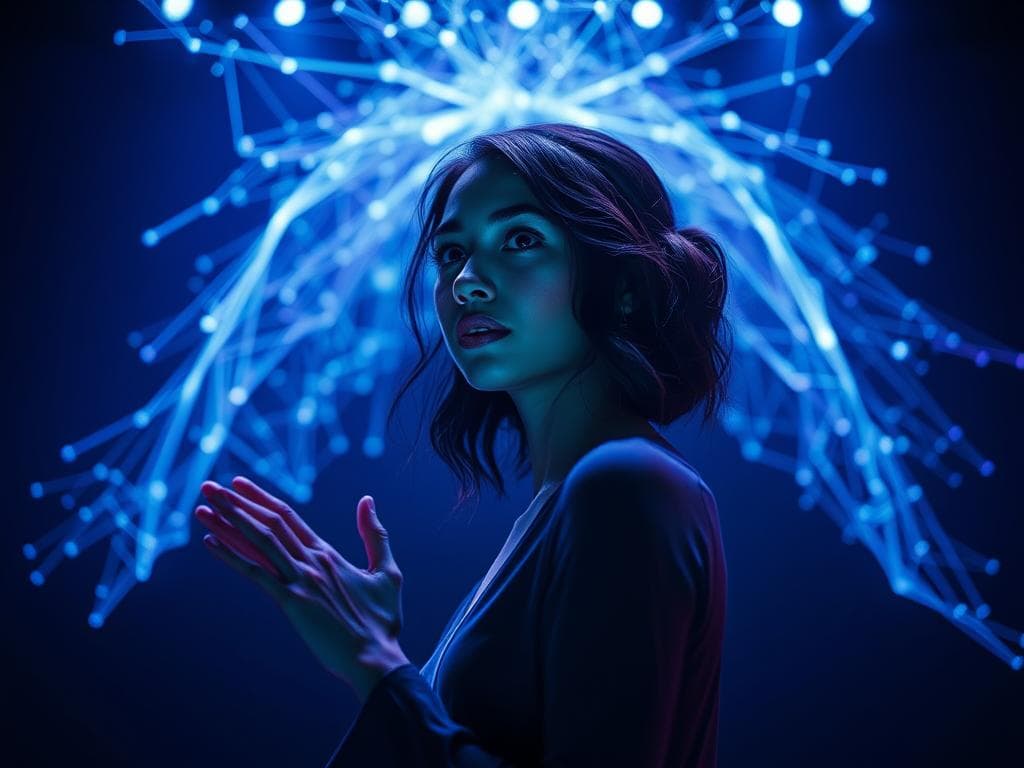
Immersive Storytelling: An Actress’s Take on Creating Unforgettable Brand Experiences
When it comes to brand experiences, everyone wants a little magic, a moment that doesn’t just sell a product but sticks with you, lingers in your mind. But how exactly do brands craft these experiences? How does a campaign push beyond the usual jingles and slogans to actually resonate, emotionally and memorably? Well, imagine mixing the heart of a great story with the precision of real-time data, then seasoning it all with a touch of live performance’s unpredictability. That’s immersive storytelling in action.
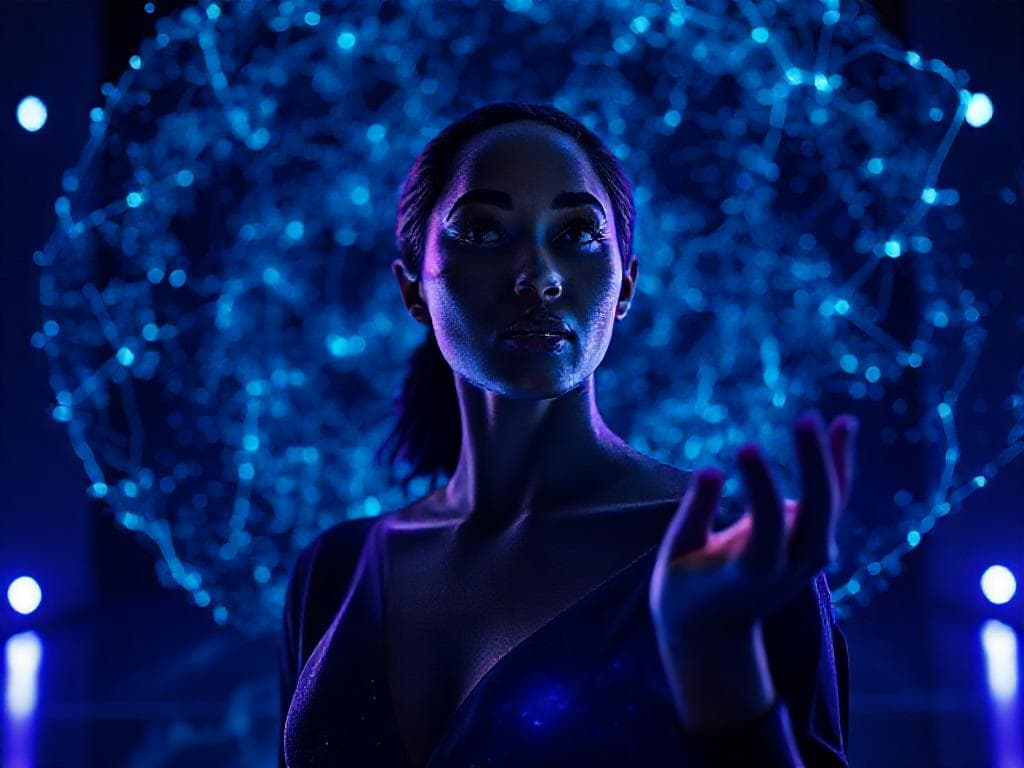
Today, we’re stepping behind the curtain with insights from an actress who starred in one such immersive campaign. She gives us a fresh take on the alchemy between creative tech, raw human performance, and data analytics. It’s where performance art meets code, and genuine emotion meets strategic thinking.
What Makes Immersive Storytelling the Secret Sauce for Brands?
You’ve probably attended a brand event or interacted with a campaign that felt more like an experience than an ad. Remember that pop-up where you felt like you entered a different universe? Or that interactive digital installation that somehow “got” you? That’s immersive storytelling at work.
The real power lies in how immersive storytelling transforms viewers into participants and audiences into believers. It’s storytelling you don’t just watch, you live it. This technique taps into the brain’s love for narrative and multi-sensory input, making brand messages not only heard but felt.
But telling a story isn’t enough anymore. Brands are up against a wall of short attention spans and skepticism. That’s why layering authenticity and emotion beneath innovation is non-negotiable. You could wow with slick visuals, but without genuine human moments, think: vulnerability, spontaneity, real reactions, it all falls flat.
Here’s the thing: Immersion works best when it’s fueled by authentic human connection. That’s why bringing an actress, or any performer for that matter, into the fold isn’t just about star power; it’s about harnessing the nuance of lived experience, those subtle inflections, pauses, and energy shifts that algorithms struggle to mimic.
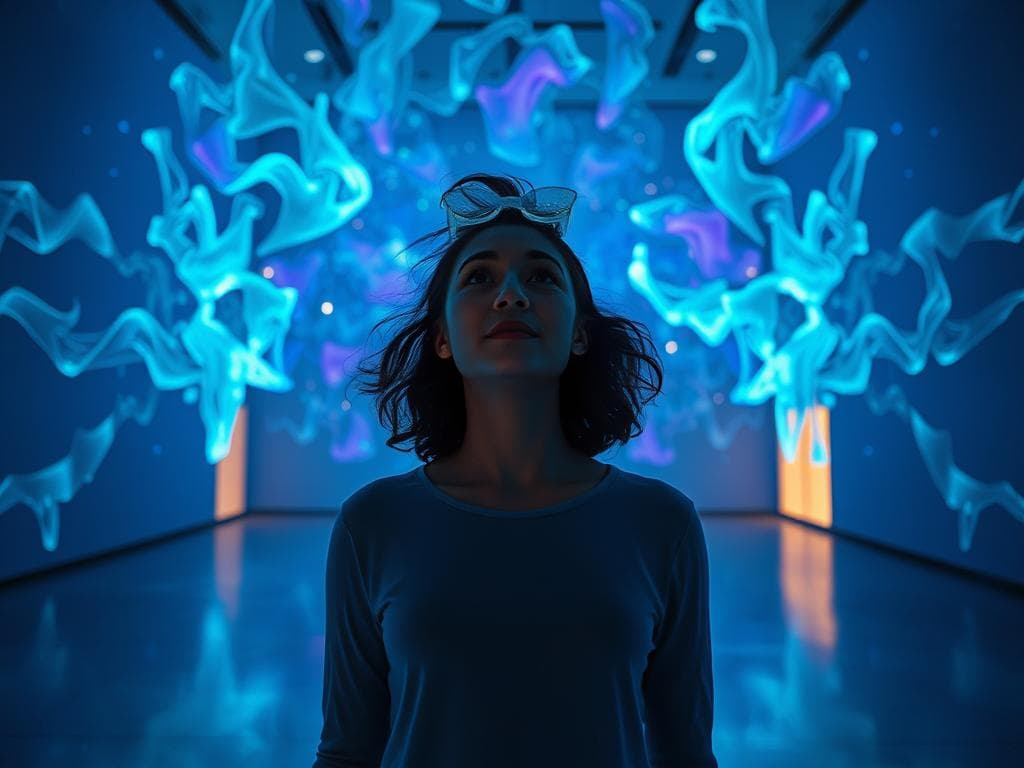
Creating Brand Moments That Matter: The Intersection of Tech and Performance
So, how did this actress describe the process of crafting immersive brand experiences? She talked about being more than a “face” or a “voice.” She became part of a dynamic system where creative technologists and performers worked hand-in-hand, blending data insights with artistic instincts.
Think of it like jazz, structured improvisation. The tech team provides frameworks and real-time signals. The performers respond, adjust, and breathe life into that data-driven canvas. It’s a constant dance between control and spontaneity, numbers and nuance.
One fascinating detail she shared was how data analytics aren’t there to box in creativity but to open new doors. For example, insights on audience reactions, like micro-expressions, engagement heatmaps, or emotional triggers, helped tailor scenes on the fly, ensuring each interaction felt personal and relevant.
And here’s where the collaboration becomes crucial. Without skilled performers capable of reading and reacting empathetically, data is just noise. Without the technological layer, the experience risks being a one-note performance. It’s that sweet spot that creates authentic connections.
Why Authenticity Is Still the King
Here’s a curveball: You might think technology dilutes authenticity. The opposite is actually true. Data-driven storytelling, when done right, sharpens authenticity by zeroing in on what truly resonates with people.
The actress emphasized this from her day-to-day on set. There were moments when scripts felt too polished, too rehearsed, “constructed” in a way that felt robotic. So, she and the creative team recalibrated to blend scripted parts with improvised emotions. The result? Audiences engaged, not just because the story was slick, but because they sensed something real beneath the surface.
That emotional connection isn’t just fluff. It drives brand loyalty and recall. Humans crave stories where they see themselves, flaws, strengths, quirks and all. By integrating data insights with human performance, brands move from talking at consumers to interacting with them.
A Nod to the Unsung Heroes: Creative Technologists
Too often, creative technologists get pigeonholed as code wizards working behind the scenes. But their role is fundamentally creative, designing frameworks that allow stories to spark, breathe, and evolve in real time.
Through tools like AI-driven sentiment analysis, augmented reality, and interactive installations, they give performers real-time cues and contextual insight. Imagine having a backstage crew feeding you whispers from the audience, giving you a sense of what’s hitting home or missing the mark. That’s the future.
The actress’s campaign depended heavily on this synergy. Not once was it all “digital” or all “live.” It was a hybrid, a seamless blend that felt as natural as a conversation and as surprising as a twist in a good novel.
What Marketers Can Take Away: Seeing Immersion Through an Actress’s Eyes
Here’s the rub, brand experiences today aren’t just about catching attention; they’re about holding it, engaging it, and turning it into something sticky. From an actress’s viewpoint, this means:
- Humanity first: Even the flashiest tech needs that emotional pulse only real people can provide.
- Data as a partner: Harnessing insights to guide storytelling doesn’t box creativity; it liberates it. Knowing your audience’s subtle reactions can spark better, more intimate connections.
- Collaboration across crafts: When techies and performers respect and rely on each other’s expertise, the story becomes more than the sum of its parts.
- Adaptability: The best immersive moments are those that adjust in real time to audience cues, like a jazz solo that changes with the vibe of the room.
You see how this shapes not just the message but the entire experience? It’s about building brand narratives that are alive, breathing, and responsive.
Wrapping It Up: Why Immersive Storytelling Isn’t Just a Trend
If you’ve stuck with me this far, you’re probably wondering: Is immersive storytelling just a shiny tactic or something more rooted? Honestly, it’s both. It rides the wave of new tech trends but anchors itself firmly in fundamental human desires, to be seen, heard, and emotionally moved.
Brands that get this mix right, melding data with art, tech with heart, storytelling with spontaneity, don’t just create campaigns; they create moments people want to be part of, talk about, and remember.
So, next time you’re piecing together your brand’s narrative, ask yourself: Are you telling a story people can step inside? Are you giving them room to feel, react, and engage? Because that’s where the magic truly happens.
Ready to craft immersive experiences that speak to the heart and mind? Let’s make every story count.
Related Articles

Immersive Storytelling: Boost Brand Engagement
Discover how Nike's 'Terrifyingly Talented' campaign leverages immersive storytelling and cutting-edge technology to deepen emotional connections and elevate brand engagement.
 Miriam Arbus
Immersive Brand Experiences: The Future is Now
Discover how immersive brand experiences are revolutionizing consumer engagement by blending storytelling, technology, and data into unforgettable emotional journeys. Explore insights from Andreessen Horowitz’s Disrupt 2025 and why Ether is leading this creative tech revolution.
 Justin O'Heir
Immersive Brand Storytelling: Engage Your Audience
Discover how the narrative brilliance of Project Hail Mary inspires groundbreaking immersive brand storytelling, blending sci-fi themes with Ether’s cutting-edge technology to captivate and engage audiences like never before.
Miriam ArbusInterested in implementing this for your brand?