
Beyond the Branch: Building Financial Relationships Through Experience
In an era of digital banking and fintech disruption, the human connection still matters. Learn how financial institutions are using experiential touchpoints to build trust, deepen relationships, and differentiate in a commoditized market.


The Relationship Banking Paradox
Digital banking has made transactions frictionless, but it's also made relationships transactional. Customers can switch providers with a few taps, and loyalty has become a relic. Yet research consistently shows that customers with strong advisor relationships have 4x higher lifetime value. The challenge: how do you build relationships when customers rarely walk into branches?
The Experience Opportunity
Every interaction is an opportunity to build, or erode, trust. Experience data helps financial institutions understand which moments matter most.
The Trust-Building Moments
| Moment Type | Traditional Approach | Experience Approach |
|---|---|---|
| Account opening | Paperwork, compliance | Celebration, education |
| Life events | Cross-sell opportunity | Genuine support |
| Problems | Resolution | Recovery + relationship repair |
| Milestones | Ignored | Recognition and celebration |
| Community | Sponsorship | Participation and impact |
Designing Trust-Building Experiences
The Onboarding Journey
The first 90 days determine the relationship trajectory. Experience data reveals:
Day 1: The Welcome
- Emotional state: Hopeful but uncertain
- Trust-building opportunity: Exceed expectations immediately
- Experience data insight: Personalized welcome messages increase engagement 3.2x
Days 2-14: The Learning Curve
- Emotional state: Potentially frustrated
- Trust-building opportunity: Proactive guidance
- Experience data insight: Customers who receive check-in calls are 67% more likely to add products
Days 15-30: The Habit Formation
- Emotional state: Settling in or drifting away
- Trust-building opportunity: Celebrate first milestones
- Experience data insight: Acknowledging first savings milestone increases retention 41%
Days 31-90: The Relationship Test
- Emotional state: Evaluating the choice
- Trust-building opportunity: Demonstrate ongoing value
- Experience data insight: Educational content engagement predicts long-term loyalty
Life Event Experiences
Financial institutions have unique insight into life events, but often squander it with tone-deaf sales approaches.
Marriage/Partnership
- Wrong approach: "Congratulations! Time for joint accounts and life insurance!"
- Right approach: Educational workshop on combining finances, no product pitch
- Experience data shows: Couples who attend workshops have 2.8x higher product adoption, when they're ready
New Baby
- Wrong approach: Immediate 529 plan pitch
- Right approach: "New parent financial wellness" resources and support
- Experience data shows: Parents who feel supported, not sold, are 3.4x more likely to open children's accounts
Job Loss
- Wrong approach: Ignore or escalate collections
- Right approach: Proactive outreach with genuine support resources
- Experience data shows: Supportive response during hardship creates strongest loyalty, 5.2x higher retention
Community Experience Programs
Moving beyond logo sponsorship to genuine community engagement:
Financial coaching clinics
- Free, no-strings financial health checks
- Community partner locations (libraries, community centers)
- Experience data tracks: Trust scores, follow-up engagement, eventual conversion
Small business support
- Workshops, mentorship, networking events
- Focus on business success, not just banking products
- Experience data tracks: Business health indicators, relationship depth, referrals
Youth and family programs
- Financial literacy with genuine educational value
- Family-friendly events that build multi-generational relationships
- Experience data tracks: Family engagement, account additions, long-term loyalty
Measuring Relationship Strength
Beyond NPS: Relationship Health Metrics
| Traditional Metric | Relationship Metric | What It Reveals |
|---|---|---|
| NPS score | Trust depth score | Strength of emotional connection |
| Product count | Relationship breadth | Genuine vs. forced adoption |
| Transaction volume | Engagement quality | Active vs. passive relationship |
| Tenure | Relationship trajectory | Growing, stable, or declining |
The Experience-Trust Connection
Experience data enables correlation between specific experiences and trust outcomes:
- Which touchpoints most improve trust scores?
- What sequence of experiences builds strongest relationships?
- When do relationships become "unbreakable"?
- What triggers relationship deterioration?
The Advisor Experience
Relationship building isn't just about customers, it's about empowering advisors.
Advisor Intelligence
Experience data provides advisors with:
- Relationship health dashboard: See which clients need attention
- Conversation starters: Relevant topics based on recent life events
- Risk alerts: Early warning signs of relationship deterioration
- Success patterns: What works with similar clients
Advisor Development
Understanding advisor-client interactions:
- Which advisor behaviors build strongest relationships?
- What communication styles work with different client segments?
- How do top performers differ from average?
- Where do advisors need coaching?
Case Study: Regional Bank Relationship Program
A regional bank implemented an experience-driven relationship program:
Program elements:
- Redesigned onboarding with milestone celebrations
- Life event response protocols (supportive, not sales-focused)
- Community financial wellness clinics
- Advisor relationship intelligence platform
Experience data captured:
- Emotional state at key touchpoints
- Trust score changes over time
- Engagement with educational content
- Advisor interaction quality
- Community program participation and outcomes
Results (18 months):
- Customer trust scores increased 34%
- Relationship depth (products per customer) grew 28%
- Attrition decreased 41%
- Referral rate increased 3.2x
- Advisor satisfaction improved 29%
The Competitive Moat
In a world where products are commoditized and rates are compared instantly, relationships become the only sustainable competitive advantage. Financial institutions that master experience-driven relationship building create:
- Switching costs: Emotional, not just financial
- Pricing power: Customers pay for relationships, not just products
- Growth engine: Referrals from genuinely satisfied customers
- Talent magnet: Advisors want to work where relationships matter
Key Takeaways
- Digital convenience has commoditized transactions, relationships are the differentiator
- Trust is built through experiences, not marketing messages
- Life events are relationship opportunities, not just sales opportunities
- Experience data reveals which moments matter most for trust building
- Advisor empowerment multiplies relationship-building effectiveness
Related Articles
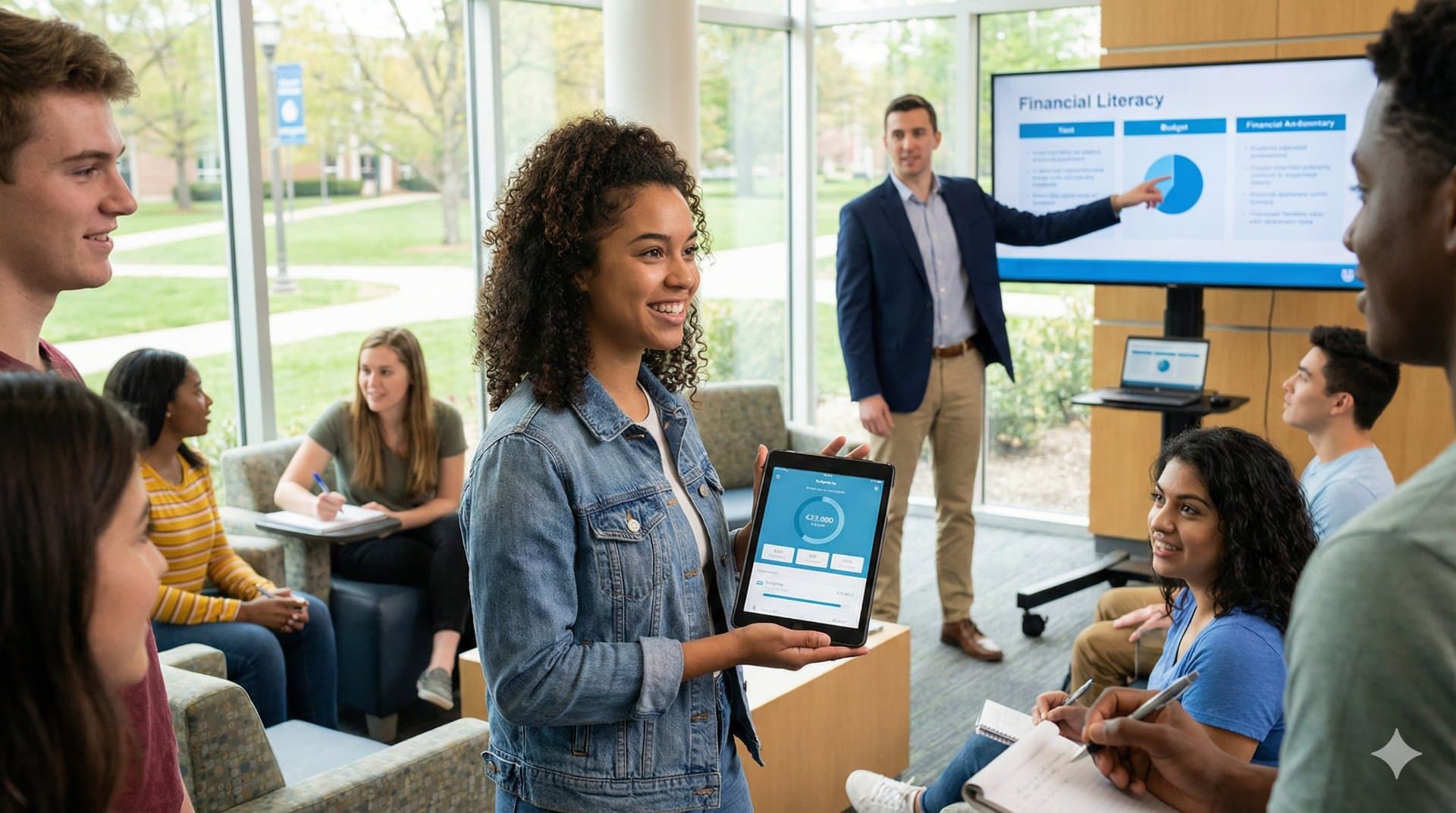
Financial Literacy Experiences: Winning the Next Generation Before They Need You
Gen Z will control $33 trillion by 2030. Banks and financial institutions investing in educational experiences today are building relationships that will pay dividends for decades. Here's how experience data makes financial literacy programs measurably effective.
 Justin O'Heir
Experience Data Meets Fintech: The New Intelligence Layer for Financial Services
Fintech has revolutionized financial data, but it's missing the human element. Learn how integrating experience data with fintech platforms creates a complete picture of customer financial lives, enabling personalization that actually works.
Justin O'Heir
Financial Services Events Reimagined: From Stuffy to Strategic
Investor conferences, client appreciation events, and industry gatherings are massive investments with unclear returns. Learn how experience data is transforming financial services events from obligatory expenses to strategic relationship accelerators.
Justin O'HeirInterested in implementing this for your brand?