
Kids Are Building Friendships with Virtual Worlds and Gaming
Discover how children are forging genuine friendships and developing digital skills within immersive virtual worlds and gaming platforms, transforming social interaction for the next generation.
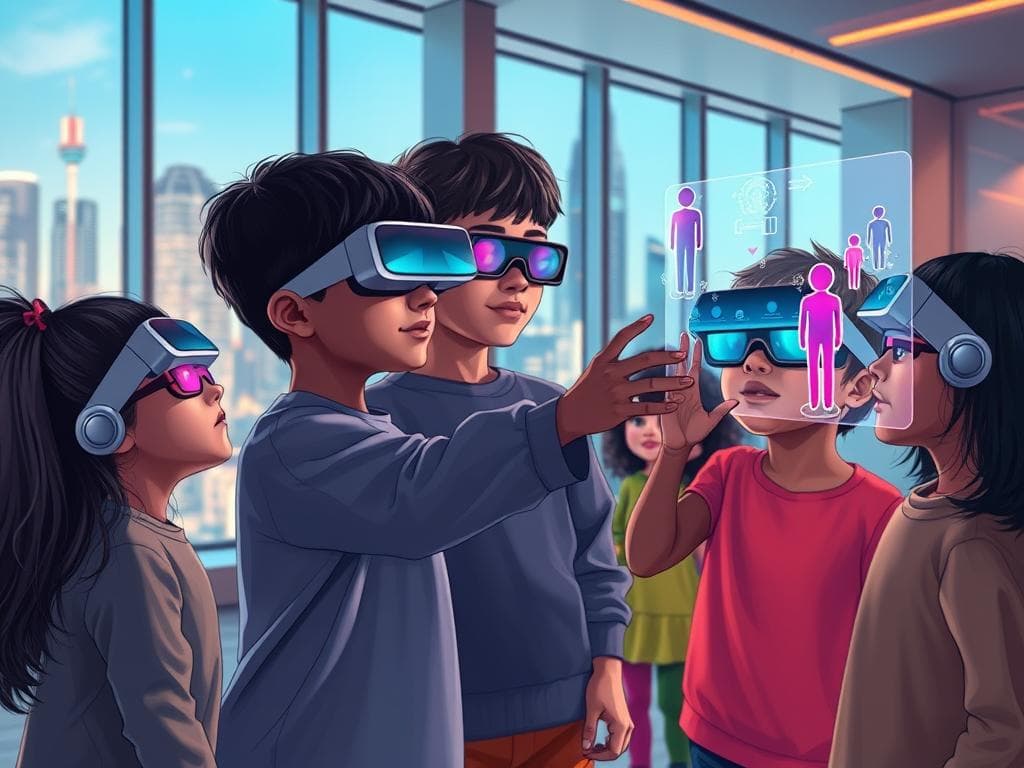
Kids Are Building Friendships with Virtual Worlds and Gaming
You know what? The way kids connect has taken a wild turn. We’re not just talking about chatting on video calls or texting anymore. Today, children are weaving friendships right inside virtual worlds and gaming spaces, places once considered mere playgrounds. But it’s way more than just “gaming.” These digital realms are bustling social destinations where imaginations run free and new friendships flourish.
With the explosion of kid-friendly metaverse platforms, this shift is reshaping how younger generations build relationships and develop crucial digital skills. So, what’s really going on behind the screens? Let’s walk through how gaming and virtual worlds are becoming the new social hangouts, and why parents, educators, and brands should keep an eye on this evolving landscape.
How Kids Are Crafting Friendships Beyond the Screen
It might sound surprising to some parents or teachers, but these virtual spaces aren’t just pixels and code, they’re vibrant communities. Take platforms like Roblox and Minecraft, some of the trailblazers in the kid-friendly metaverse. On the surface, they’re fun creative hubs. But dig a little deeper, and you’ll see kids collaborating on projects, strategizing game moves, or simply hanging out, exchanging jokes, and celebrating wins.
What’s fascinating is how social interactions here differ from your average online chat. Kids aren’t just sending messages; they’re working together, problem-solving, and creating stories. It’s like a digital version of a neighborhood fort where everyone’s invited and every player brings something unique to the table.
You might wonder, “Is an online friend really a real friend?” That’s a fair question. But these virtual friendships often mirror, and sometimes even deepen, traditional ones. Kids learn empathy, teamwork, and even conflict resolution thanks to shared virtual experiences, whether they’re building a castle in Minecraft or teaming up for a quest in an adventure game.
What makes these bonds stick is immersive storytelling and thoughtful game design. Games that weave compelling narratives encourage players to invest emotionally. In turn, that investment fosters stronger connections among players. It’s not just about winning or beating levels, it’s about the shared journey.
And here’s a neat bonus, developing these friendships also sharpens digital literacy skills. Navigating virtual worlds, customizing avatars, managing online interactions, all these tasks subtly build tech fluency. Skills that will be invaluable in their futures, no doubt.
Keeping It Safe, Real, and Meaningful, The Role of Moderation and Design
Of course, with great power comes great responsibility. As thrilling as these social ecosystems are, they need careful oversight. Safe, moderated environments are essential, especially for young users navigating these spaces.
Platform designers walk a tightrope, crafting worlds that are engaging and open but also safe and age-appropriate. Features like content filters, real-time moderation, reporting systems, and parental controls are no longer optional, they are must-haves. These tools help keep interactions positive and weed out harmful behaviors, making sure the digital playground doesn’t turn into a minefield.
From a parent or educator’s perspective, understanding what’s happening inside these spaces can sometimes feel daunting. But staying informed about the platforms kids use, encouraging open dialogues about their interactions, and setting clear boundaries make a world of difference. Plus, many platforms provide dashboards or reports, giving adults a window into their child’s virtual social life without being intrusive.
Then there’s the interesting role of brands. Brands aiming to connect with younger audiences have to tread carefully. Authenticity reigns supreme. Kids can smell a sales pitch a mile away, especially when it masks as genuine engagement. Those brands that invest in meaningful experiences, like sponsoring creative contests or supporting community events inside these worlds, win hearts and loyalty.
But it’s not all rosy. Risks linger, exposure to inappropriate content, data privacy concerns, or addiction behaviors. Which underscores why voices from all sides, parents, educators, developers, and policy makers, need to join forces. Only together can we nurture safer, healthier virtual socializing for kids.
Wrapping It All Up
So, are we simply talking about kids “playing games”? Not quite. This is about new modes of socialization that expand possibilities beyond physical walls. Virtual worlds and gaming spaces are evolving as genuine social venues where friendships bloom, skills grow, and imaginations take flight.
As these digital landscapes keep growing, it’s vital that everyone involved, whether parents, educators, or brands, steps up with awareness, care, and creativity. Let’s support kids in forging safe, real friendships in these exciting new spaces. Got thoughts or want to explore more about kids and digital social worlds? Stay connected, stay curious, and watch this space, it’s just getting started.
Related Articles

Level Up Your Brand: Interactive Experiences
Discover how Spotify’s customizable Discover Weekly is revolutionizing personalized content and shaping the future of immersive, interactive brand experiences powered by data and innovative technology.
 Justin O'Heir
Epic Games' Legal Win Spurs New Direct Sales Tools for Developers
Epic Games leverages its courtroom victory over Apple to introduce innovative direct sales webshops, empowering developers and disrupting traditional app store models in the digital ecosystem.
 Miriam Arbus
Understanding Your Consumer
Understanding the consumer goes beyond clicks and demographics. Learn how Ether's Glimmers and experience-native signals reveal what resonates, what motivates action, and what brands can learn from every experience.
Miriam ArbusInterested in implementing this for your brand?