
Loss Aversion in Marketing: Why We Fear Losing More Than We Love Winning
Loss aversion is one of the most powerful forces in decision-making. Learn how to ethically apply this principle to create urgency and drive action.
Loss Aversion in Marketing: Why We Fear Losing More Than We Love Winning
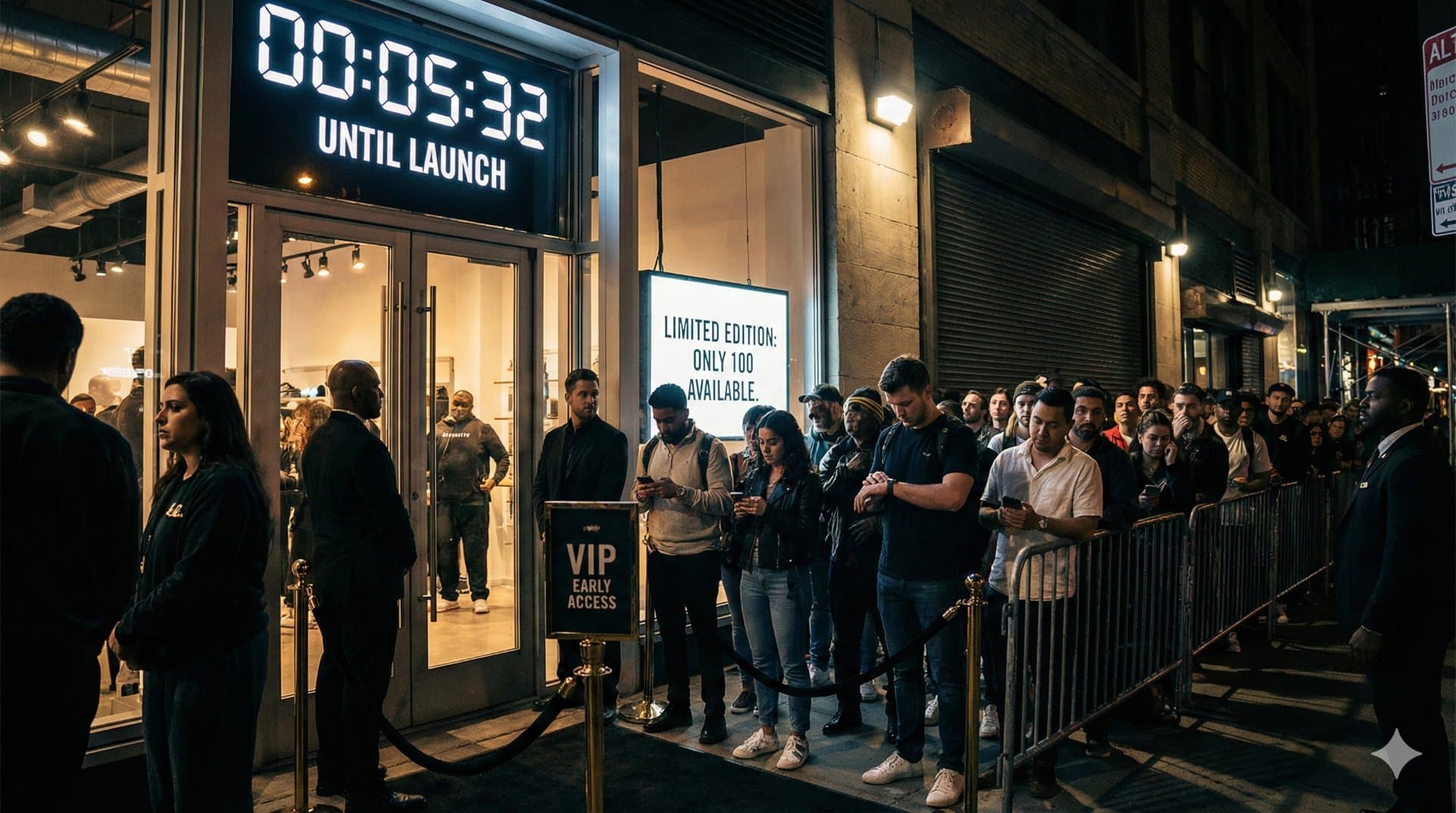
Humans feel the pain of loss about twice as strongly as the pleasure of equivalent gains. This asymmetry, loss aversion, profoundly influences decision-making and offers powerful (but ethically complex) applications in marketing.
Understanding Loss Aversion
The Science
Nobel laureate Daniel Kahneman and Amos Tversky demonstrated that:
- Losing $100 feels about twice as bad as gaining $100 feels good
- This asymmetry affects decisions across all domains
- Loss aversion is hardwired, not learned
Why We're Loss Averse
Evolutionary Explanation: For our ancestors, losses were more dangerous than gains were beneficial:
- Losing food could mean starvation
- Losing shelter could mean death
- Losing social standing could mean exile
The brain evolved to weight losses more heavily as a survival mechanism.
How Loss Aversion Manifests
Endowment Effect: We value things more once we own them.
Status Quo Bias: We prefer the current state to avoid potential losses from change.
Sunk Cost Fallacy: We continue investing in losing propositions to avoid "wasting" past investments.
Loss Aversion in Marketing
Framing Gains as Losses
The same information can be framed as a gain or a loss:
Gain Frame: "Save $50 when you buy today" Loss Frame: "Don't lose $50, buy today"
The loss frame is typically more motivating.
Creating Urgency Through Potential Loss
Limited Time:
- "Sale ends tonight"
- "Last chance to save"
- "Price increases tomorrow"
Limited Quantity:
- "Only 3 left in stock"
- "Limited edition"
- "While supplies last"
Limited Access:
- "Exclusive offer for members"
- "Early access ending soon"
- "Invitation expires in 24 hours"
Ownership Before Purchase
Free Trials: Once customers "own" the product, loss aversion makes cancellation painful.
Money-Back Guarantees: Customers rarely return because they've psychologically owned the product.
Customization: Personalized products feel more owned and harder to give up.
Ethical Applications of Loss Aversion
When Loss Aversion Helps Customers
Encouraging Beneficial Behaviors:
- "Don't lose your progress, complete your profile"
- "You've earned 500 points, don't let them expire"
- "Your free trial benefits end in 3 days"
Protecting Against Genuine Losses:
- Insurance and protection products
- Security and safety services
- Financial planning and savings
Creating Genuine Urgency:
- Actually limited inventory
- Genuinely expiring offers
- Real capacity constraints
When Loss Aversion Harms Customers
Manufactured Urgency:
- Fake countdown timers that reset
- "Limited" products that are always available
- Artificial scarcity
Exploitation of Sunk Costs:
- Making cancellation difficult
- Highlighting past investments to prevent leaving
- Creating switching costs that don't benefit customers
Fear-Based Manipulation:
- Exaggerating risks
- Creating anxiety to drive sales
- Exploiting vulnerabilities
Implementing Loss Aversion Responsibly
The Ethics Test
Before using loss aversion tactics, ask:
- Is the potential loss real and genuine?
- Does the customer benefit from acting?
- Would I be comfortable if customers knew my strategy?
- Am I helping customers make better decisions?
Best Practices
Be Honest:
- Only claim scarcity that's real
- Only set deadlines that are genuine
- Only highlight losses that are actual
Be Helpful:
- Use loss framing to help customers achieve their goals
- Remind customers of benefits they'd lose, not just features
- Frame losses in terms of customer value, not company revenue
Be Balanced:
- Don't rely solely on fear
- Combine loss framing with positive messaging
- Respect customer autonomy
Loss Aversion Across the Journey
Awareness Stage
Application: Highlight the cost of inaction Example: "Companies without [solution] lose an average of [amount] annually"
Consideration Stage
Application: Show what they'd miss by not choosing you Example: "See what you're missing, start your free trial"
Decision Stage
Application: Create genuine urgency Example: "This offer expires when you leave this page" (if true)
Retention Stage
Application: Remind of accumulated value Example: "You've saved $347 this year with your membership"
Measuring Loss Aversion Impact
A/B Testing
Compare gain vs. loss framing:
- Same offer, different frame
- Measure conversion rate difference
- Track long-term customer satisfaction
Key Metrics
- Conversion rate by framing type
- Customer satisfaction post-purchase
- Return and cancellation rates
- Long-term retention by acquisition framing
Case Study: Ethical Loss Aversion
Company: SaaS subscription service
Challenge: Low trial-to-paid conversion
Approach: Instead of manufactured urgency, they:
- Showed customers their actual usage during trial
- Highlighted features they'd lose after trial
- Calculated the value they'd received
- Offered a genuine limited-time discount
Results:
- Conversion increased 34%
- Customer satisfaction remained high
- Churn rate lower than industry average
The Future of Loss Aversion in Marketing
Personalized Loss Framing
AI will enable:
- Individual loss sensitivity assessment
- Personalized framing based on customer psychology
- Dynamic urgency based on genuine factors
Ethical Automation
Smart systems will:
- Prevent fake urgency tactics
- Detect and flag manipulative patterns
- Optimize for long-term customer value
Conclusion
Loss aversion is a powerful psychological force that can be used to help or harm customers. The ethical marketer uses loss framing to help customers recognize genuine value and make decisions aligned with their goals.
The key question isn't "How can I use loss aversion?" but "How can I use loss aversion to genuinely serve my customers?"
When the answer to that question is clear, loss aversion becomes a tool for mutual benefit rather than manipulation.
Related Articles

Emotional Triggers in Marketing: The Psychology of Purchase Decisions
Discover the emotional triggers that drive purchasing behavior. Learn ethical ways to tap into psychological motivators that resonate with customers.
 Justin O'Heir
Understanding Your Consumer
Understanding the consumer goes beyond clicks and demographics. Learn how Ether's Glimmers and experience-native signals reveal what resonates, what motivates action, and what brands can learn from every experience.
 Miriam Arbus
The Psychology of Brand Loyalty: Why Customers Stay (or Leave)
Explore the psychological mechanisms that drive brand loyalty. Learn how emotional connections, cognitive biases, and social factors influence customer retention.
Miriam ArbusInterested in implementing this for your brand?