
The Psychology of Brand Loyalty: Why Customers Stay (or Leave)
Explore the psychological mechanisms that drive brand loyalty. Learn how emotional connections, cognitive biases, and social factors influence customer retention.

The Psychology of Brand Loyalty: Why Customers Stay (or Leave)
Brand loyalty isn't just about satisfaction, it's about psychology. Understanding the mental mechanisms that drive loyalty helps brands create experiences that keep customers coming back, not because they have to, but because they want to.
The Foundations of Brand Loyalty
Beyond Satisfaction
Customer satisfaction is necessary but not sufficient for loyalty. Research shows:
- 80% of customers who switch were "satisfied" with their previous brand
- Emotional connection is 52% more valuable than high satisfaction
- Habits and inertia keep many "loyal" customers who would switch if prompted
The Loyalty Pyramid
True loyalty builds through stages:
- Behavioral Loyalty - Repeat purchase due to convenience or habit
- Attitudinal Loyalty - Positive feelings toward the brand
- Emotional Loyalty - Deep connection and identification
- Advocacy Loyalty - Active promotion and defense of the brand
Psychological Drivers of Loyalty
1. Emotional Connection
The strongest loyalty is emotional, not rational.
Key Emotions That Drive Loyalty:
- Trust - Belief that the brand will deliver consistently
- Belonging - Feeling part of a community or tribe
- Pride - Status from association with the brand
- Comfort - Familiarity and reduced decision anxiety
Building Emotional Connections:
- Share values that resonate with customers
- Create experiences that evoke positive emotions
- Recognize and celebrate customer milestones
- Respond with empathy during difficulties
2. Cognitive Biases
Our brains take shortcuts that affect loyalty:
Status Quo Bias People prefer things to stay the same. Once a customer chooses your brand, switching requires effort they'd rather avoid.
Leverage: Reduce friction in repeat purchases, increase friction in cancellation
Sunk Cost Fallacy People value what they've already invested. Loyalty programs, customization, and history create psychological investment.
Leverage: Highlight customer history and accumulated value
Confirmation Bias People seek information that confirms their choices. Loyal customers actively look for reasons their brand is best.
Leverage: Provide content that validates their choice
Mere Exposure Effect Familiarity breeds preference. The more customers see your brand, the more they like it.
Leverage: Maintain consistent presence across touchpoints
3. Social Factors
Loyalty is influenced by social context:
Social Proof People follow what others do. Seeing others loyal to a brand reinforces loyalty.
Leverage: Showcase community, testimonials, and user-generated content
Identity Signaling Brand choices communicate who we are. Loyalty persists when the brand aligns with identity.
Leverage: Understand and reflect customer identity aspirations
Tribal Belonging Humans seek group membership. Brand communities create belonging that transcends the product.
Leverage: Build and nurture brand communities
4. Habit Formation
Habits automate loyalty:
The Habit Loop:
- Cue - Trigger that initiates behavior
- Routine - The behavior itself
- Reward - Benefit that reinforces the loop
Building Brand Habits:
- Create consistent cues (time, location, situation)
- Make the routine frictionless
- Provide variable rewards for engagement
Why Customers Leave
The Defection Triggers
Understanding why customers leave is as important as why they stay:
Trigger 1: Broken Trust A single trust violation can undo years of loyalty. Trust is built slowly but destroyed instantly.
Trigger 2: Unmet Expectations When reality falls short of expectations, disappointment leads to defection.
Trigger 3: Life Changes Major life events (moving, job change, family changes) disrupt habits and open doors to competitors.
Trigger 4: Better Alternatives A significantly better option can overcome switching costs and loyalty inertia.
Trigger 5: Accumulated Frustrations Small issues compound over time until a tipping point is reached.
The Psychology of Switching
Switching involves psychological costs:
- Cognitive Load - Learning a new brand takes mental effort
- Risk - The new brand might be worse
- Loss - Abandoning accumulated value and history
- Identity - Changing brand might change self-image
Customers switch when the perceived benefit exceeds these psychological costs.
Measuring Loyalty Psychology
Beyond NPS
Net Promoter Score measures intention, not psychology. Add these metrics:
Emotional Connection Score How strongly do customers feel emotionally connected to your brand?
Identity Alignment Index How well does your brand align with customer self-image?
Switching Consideration Rate How often do customers consider alternatives?
Psychological Investment Level How much have customers invested (time, customization, learning)?
Predictive Loyalty Indicators
Watch for early warning signs:
- Decreased engagement frequency
- Reduced emotional expression in feedback
- Increased support contacts
- Declining response to communications
- Competitor research behavior
Building Psychological Loyalty
Strategy 1: Create Emotional Peaks
Design experiences with memorable emotional highlights:
- Surprise and delight moments
- Personal recognition and celebration
- Exclusive access and experiences
- Meaningful gestures during difficulties
Strategy 2: Build Identity Alignment
Help customers see your brand as part of who they are:
- Understand customer identity aspirations
- Communicate values consistently
- Create opportunities for self-expression
- Celebrate customer achievements
Strategy 3: Increase Psychological Investment
Create value that deepens over time:
- Personalization that improves with use
- Loyalty programs with meaningful progression
- Communities that provide belonging
- Content and learning that builds expertise
Strategy 4: Reduce Switching Attractiveness
Make alternatives less appealing:
- Continuously improve to stay ahead
- Create unique value that can't be replicated
- Build switching costs that benefit customers
- Address competitive threats proactively
Strategy 5: Prevent Trust Erosion
Protect the foundation of loyalty:
- Deliver consistently on promises
- Be transparent about issues and resolutions
- Apologize and make amends when mistakes happen
- Never sacrifice long-term trust for short-term gain
The Future of Loyalty Psychology
Emerging Trends
Personalized Psychological Profiles AI will enable understanding individual psychological drivers and tailoring loyalty strategies accordingly.
Predictive Defection Prevention Machine learning will identify at-risk customers before they decide to leave, enabling proactive intervention.
Emotional Loyalty Measurement Real-time emotional analytics will provide continuous insight into loyalty health.
Community-Driven Loyalty Peer relationships will become as important as brand relationships in driving loyalty.
Conclusion
Brand loyalty is fundamentally psychological. By understanding the emotional, cognitive, and social factors that drive loyalty, brands can create experiences that earn deep, lasting customer commitment.
The goal isn't to trap customers, it's to create genuine value that makes them want to stay. When you understand the psychology of loyalty, you can build relationships that benefit both brand and customer.
Related Articles
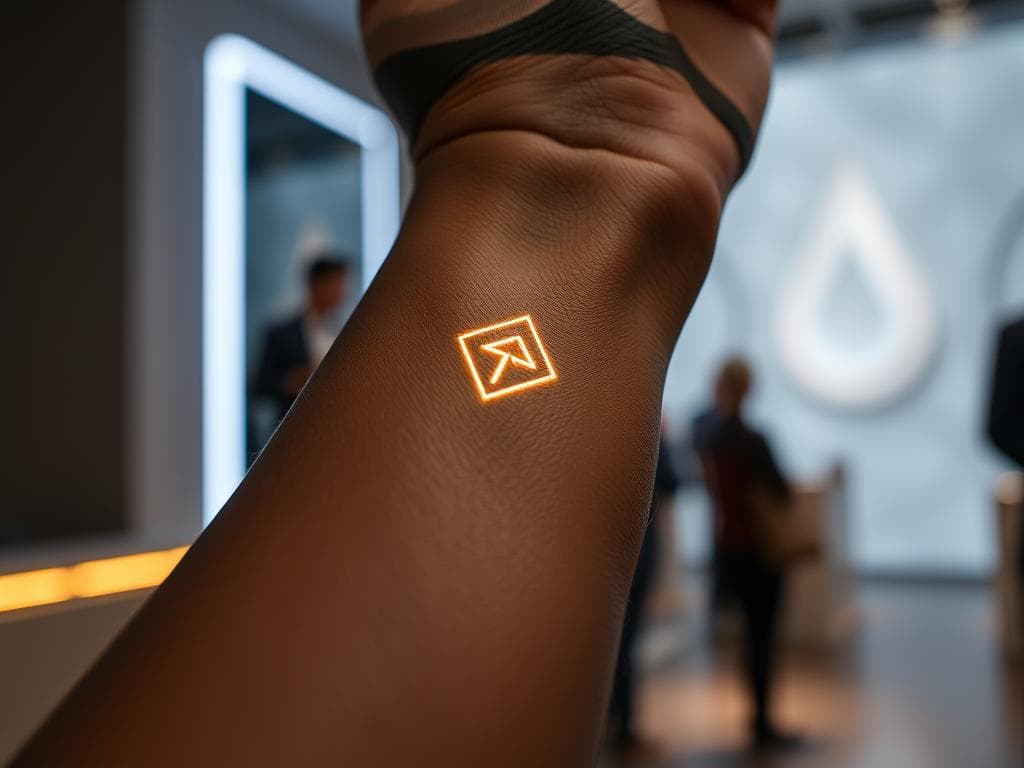
Boost Brand Loyalty with Interactive Experiences
Discover how innovative brands are using temporary and permanent tattoos to create immersive, emotional connections that drive lasting loyalty in a crowded marketplace.
 Miriam Arbus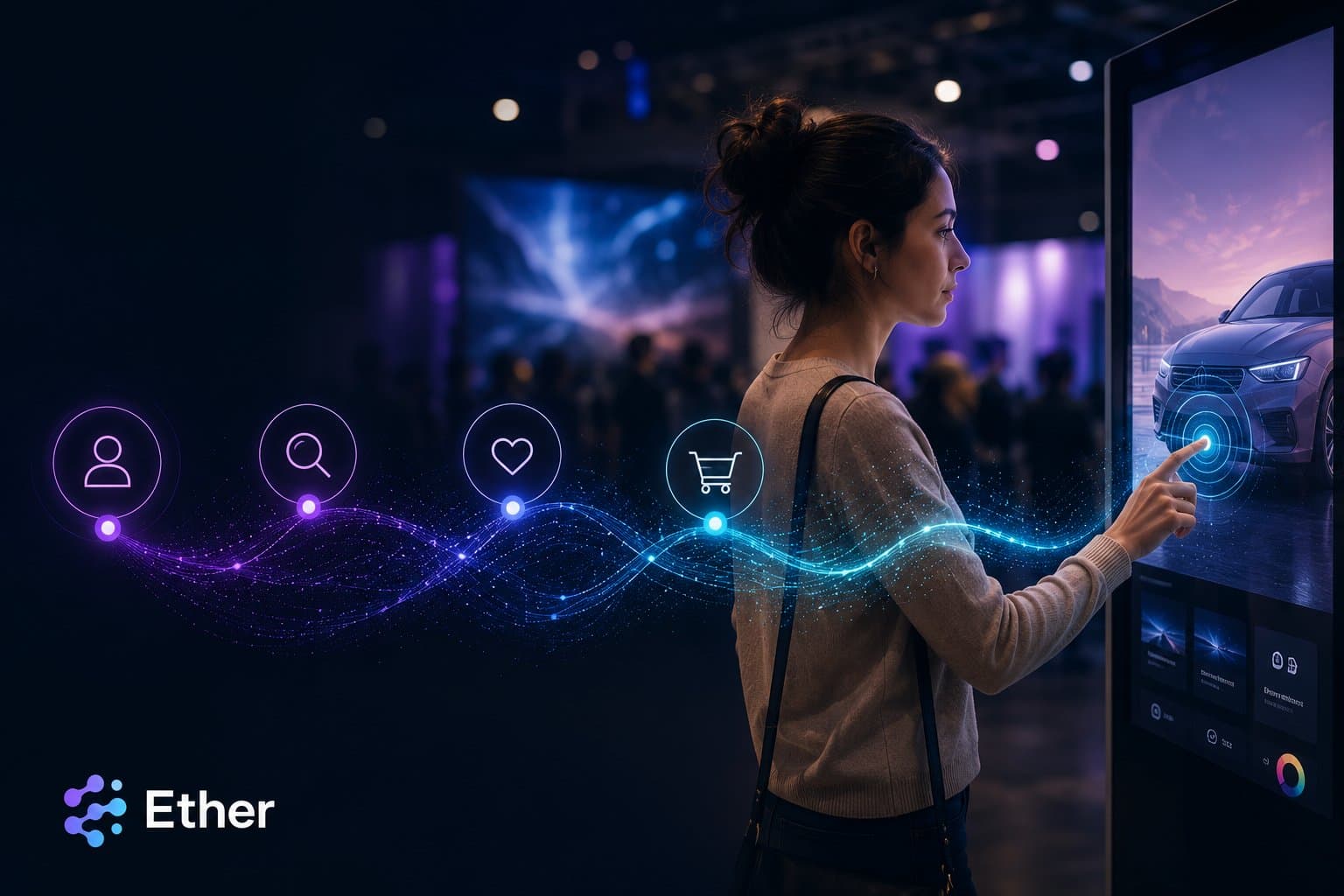
Understanding Your Consumer
Understanding the consumer goes beyond clicks and demographics. Learn how Ether's Glimmers and experience-native signals reveal what resonates, what motivates action, and what brands can learn from every experience.
Miriam Arbus
Emotional Triggers That Drive Purchase Decisions
Understand the emotional triggers that influence buying behavior. Learn how to ethically leverage psychological principles to create more compelling brand experiences.
Miriam ArbusInterested in implementing this for your brand?