
How Nostalgia Marketing Captures Hearts and Wallets
Discover the power of nostalgia in marketing. Learn how to tap into fond memories to create emotional connections that drive engagement and sales.

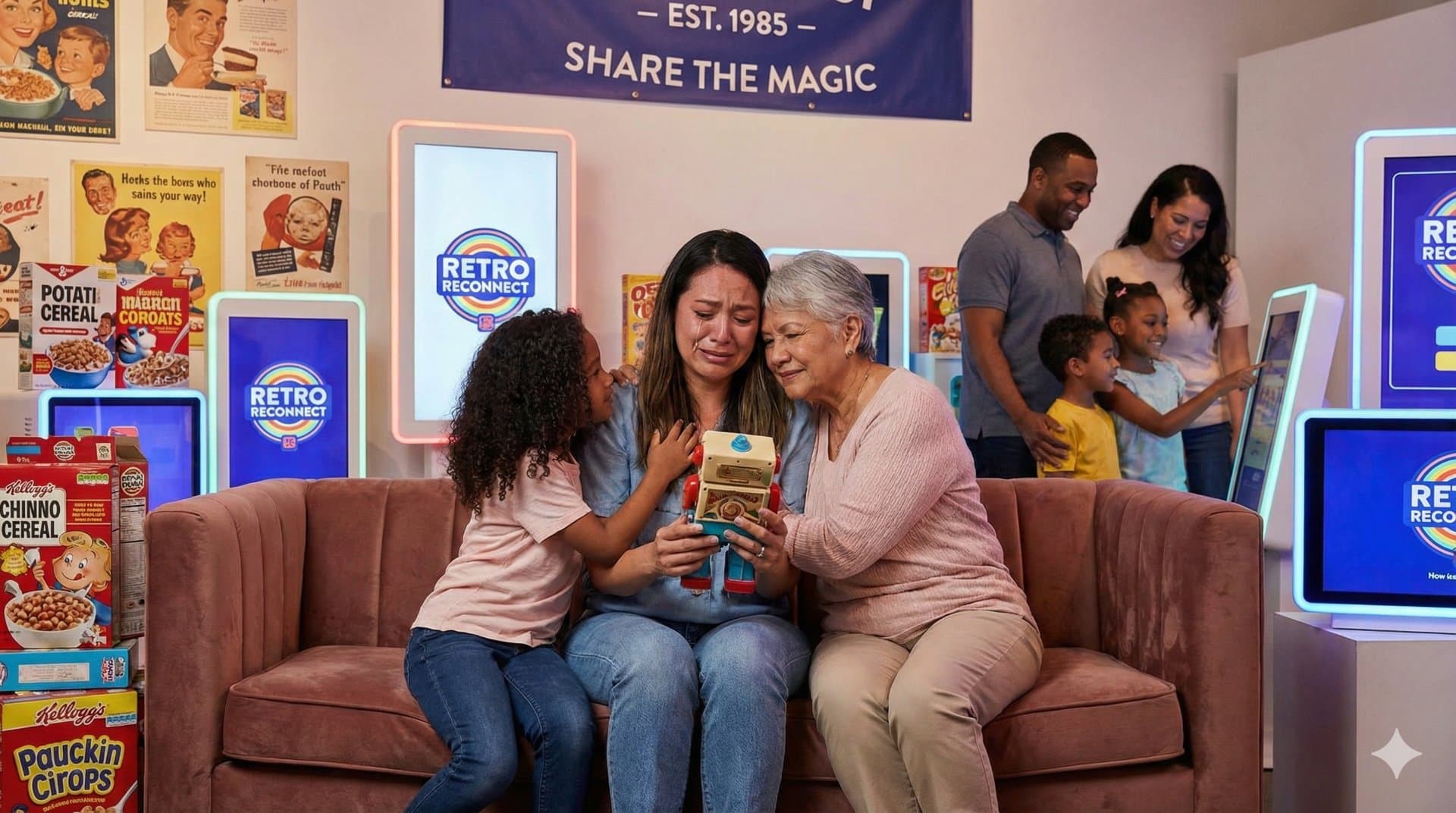
The Nostalgia Effect
Nostalgia, that bittersweet longing for the past, is one of marketing's most powerful emotional tools. When leveraged effectively, nostalgia creates instant emotional connections, bypasses rational resistance, and drives both engagement and purchase.
The Psychology of Nostalgia
What Nostalgia Is: Nostalgia is a sentimental longing for the past, typically for a period or place with happy personal associations. It's not just remembering, it's remembering with warmth and longing.
Neurological Effects: Nostalgic memories activate the brain's reward centers, releasing dopamine and creating feelings of comfort and happiness. This positive emotional state transfers to whatever triggers the nostalgia.
Psychological Benefits: Research shows nostalgia:
- Increases feelings of social connectedness
- Boosts self-esteem and self-continuity
- Provides comfort during uncertainty
- Counteracts loneliness and anxiety
Why Nostalgia Works in Marketing
1. Emotional Shortcut Nostalgia provides instant emotional engagement without needing to build new associations.
2. Trust Transfer Positive feelings from the past transfer to present brand interactions.
3. Identity Connection Nostalgic references connect to customers' sense of who they are and where they come from.
4. Differentiation In a world of constant newness, nostalgia offers comforting familiarity.
5. Social Bonding Shared nostalgic references create community and conversation.
Types of Nostalgia Marketing
Personal Nostalgia Triggering individual memories from customers' own past.
Examples:
- Childhood candy brands
- Music from formative years
- Products parents used
Cultural Nostalgia Referencing shared cultural moments and eras.
Examples:
- Retro design aesthetics
- Reboots of classic shows
- Anniversary celebrations
Historical Nostalgia Evoking eras customers didn't experience but romanticize.
Examples:
- Vintage-style products
- "Old-fashioned" quality claims
- Heritage brand storytelling
Nostalgia Triggers
Visual Cues:
- Retro color palettes
- Vintage typography
- Period-appropriate imagery
- Classic packaging designs
Audio Cues:
- Music from specific eras
- Vintage sound effects
- Classic jingles and taglines
Sensory Cues:
- Familiar scents
- Tactile experiences (vinyl, paper)
- Taste profiles from childhood
Cultural References:
- Pop culture callbacks
- Historical events
- Generational touchstones
Generational Nostalgia Targeting
Different generations respond to different nostalgic triggers:
Baby Boomers (1946-1964):
- 1960s-70s music and culture
- Classic American brands
- Simpler times messaging
Gen X (1965-1980):
- 1980s pop culture
- Early video games and MTV
- Analog technology
Millennials (1981-1996):
- 1990s-2000s references
- Early internet and gaming
- Childhood TV and movies
Gen Z (1997-2012):
- 2000s-2010s nostalgia (already!)
- Early social media
- Childhood digital experiences
Implementing Nostalgia Marketing
Step 1: Identify Nostalgic Touchpoints Research what triggers nostalgia for your target audience. What were the formative experiences, products, and cultural moments?
Step 2: Find Authentic Connections Link nostalgic elements to your brand authentically. Forced nostalgia feels manipulative.
Step 3: Balance Old and New Combine nostalgic elements with modern relevance. Pure retro can feel dated; pure modern lacks emotional depth.
Step 4: Create Shareable Moments Design nostalgic experiences that people want to share and discuss.
Step 5: Measure Emotional Response Track how nostalgic elements impact emotional engagement and business outcomes.
Nostalgia in Brand Activations
Live experiences offer unique nostalgia opportunities:
Immersive Environments Recreate nostalgic settings that transport visitors to another time.
Sensory Experiences Engage multiple senses with period-appropriate elements.
Interactive Elements Let visitors engage with nostalgic objects and activities.
Photo Opportunities Create shareable moments with nostalgic backdrops and props.
Generational Connections Design experiences that connect different generations through shared nostalgia.
Case Studies in Nostalgia Marketing
Nintendo: Classic Mini Consoles Nintendo released miniature versions of classic consoles, tapping into gaming nostalgia while creating new revenue streams.
Result: Sold out globally, generated massive media coverage, reinforced brand heritage.
Stranger Things x Brands The Netflix show's 1980s setting created partnership opportunities for brands with heritage in that era.
Result: Brands like Coca-Cola and Eggo saw significant engagement lifts from nostalgic tie-ins.
Polaroid Revival Polaroid leveraged nostalgia for instant photography while updating the technology for modern users.
Result: Successful brand revival driven by nostalgic appeal among younger consumers.
Avoiding Nostalgia Pitfalls
Inauthenticity Forced or inaccurate nostalgia triggers skepticism. Do your research.
Exclusion Nostalgia for one group might alienate another. Consider inclusivity.
Romanticization Not everything about the past was good. Be thoughtful about what you celebrate.
Overuse Constant nostalgia becomes tiresome. Use it strategically.
Irrelevance Nostalgia must connect to your brand and offering meaningfully.
Measuring Nostalgia Marketing Impact
Emotional Metrics:
- Nostalgia intensity scores
- Emotional valence during exposure
- Memory activation measures
Engagement Metrics:
- Social sharing of nostalgic content
- Time spent with nostalgic experiences
- User-generated nostalgic content
Business Metrics:
- Conversion rates for nostalgic campaigns
- Premium pricing acceptance
- Customer lifetime value correlation
Nostalgia isn't just looking backward, it's using the emotional power of the past to create meaningful connections in the present. When done authentically, nostalgia marketing doesn't just capture attention; it captures hearts.
Related Articles

Understanding Your Consumer
Understanding the consumer goes beyond clicks and demographics. Learn how Ether's Glimmers and experience-native signals reveal what resonates, what motivates action, and what brands can learn from every experience.
 Miriam Arbus
The Psychology of Brand Loyalty: Why Customers Stay (or Leave)
Explore the psychological mechanisms that drive brand loyalty. Learn how emotional connections, cognitive biases, and social factors influence customer retention.
Miriam Arbus
Emotional Triggers That Drive Purchase Decisions
Understand the emotional triggers that influence buying behavior. Learn how to ethically leverage psychological principles to create more compelling brand experiences.
Miriam ArbusInterested in implementing this for your brand?