
Winning at CES and Tech Trade Shows: Stand Out with Experience Data
Learn how leading technology companies use behavior intelligence to cut through the noise at CES, MWC, and major trade shows, turning booth visits into qualified pipeline.
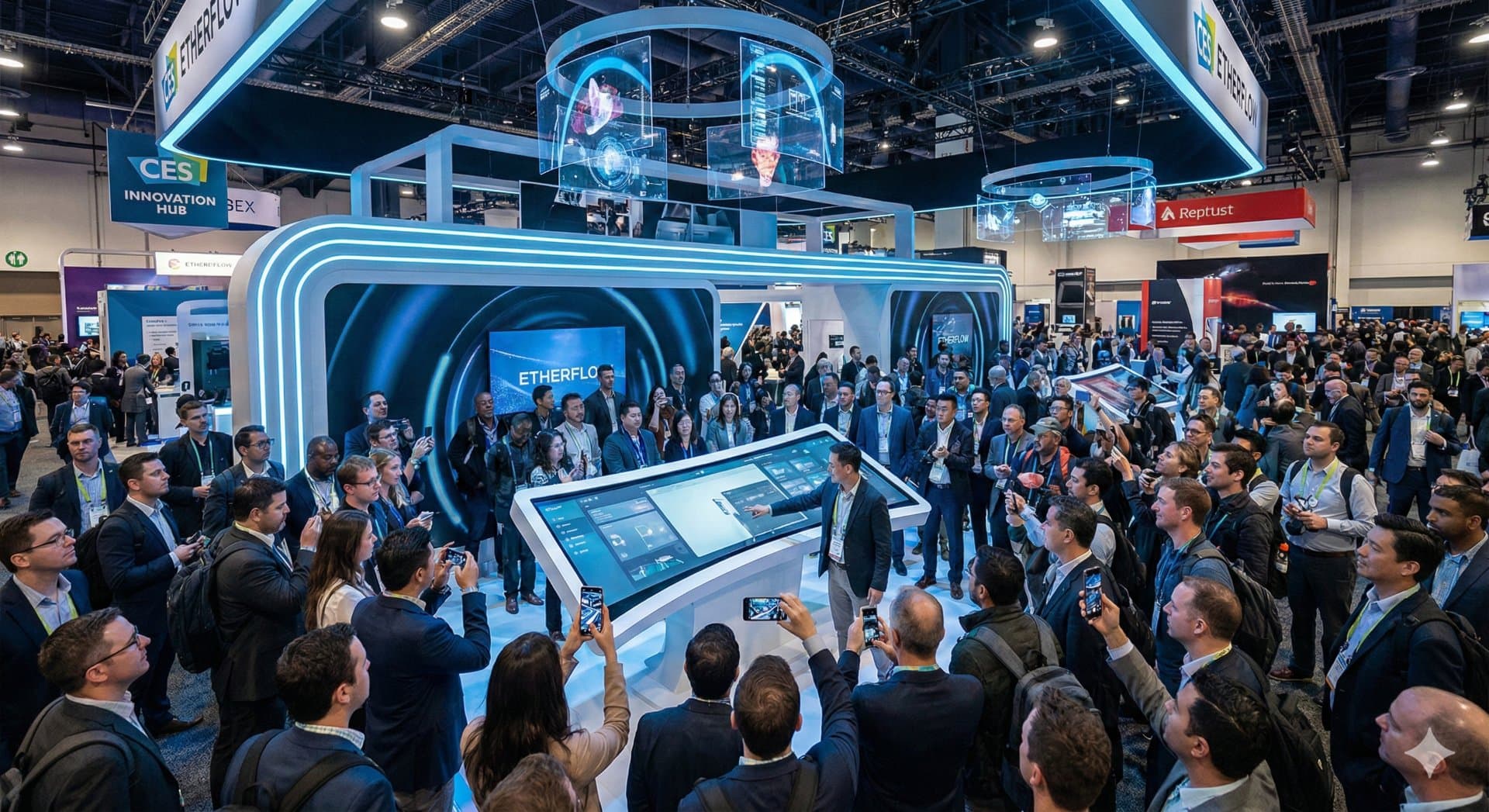
The Trade Show Paradox
You've spent $500K on your CES booth. You've got the biggest screen, the flashiest demo, and a team of your best people. And yet, three months later, you can't trace a single closed deal back to the event.
Sound familiar?
The problem isn't your booth or your product. It's that trade shows have become a war of attention, and attention alone doesn't drive business outcomes.
Why Traditional Trade Show Metrics Fail
Most companies measure trade show success with vanity metrics:
| Traditional Metric | Why It Fails |
|---|---|
| Badge scans | Quantity ≠ quality |
| Booth traffic | Foot traffic ≠ interest |
| Demo requests | Curiosity ≠ intent |
| Swag distributed | Freebies ≠ pipeline |
The result: Marketing reports "success" while sales complains about lead quality.
The Experience Data Difference
What if you could measure what actually matters, the emotional and behavioral signals that predict purchase intent?
Signals That Actually Predict Pipeline
| Experience Signal | Pipeline Correlation |
|---|---|
| Engagement depth (time + interaction) | 0.73 |
| Behavior during demo | 0.68 |
| Return visits to booth | 0.81 |
| Peer referral behavior | 0.77 |
| Post-demo questions asked | 0.69 |
How Ether Transforms Trade Show ROI
1. Pre-Show Targeting
Before the show even starts:
- Intent mapping to identify high-value targets attending
- Personalized outreach based on emotional triggers
- Appointment optimization to maximize quality meetings
2. Booth Experience Design
Transform your booth from a display into an experience:
The Attention Layer
- Pattern interrupt moments that stop traffic
- Curiosity triggers that invite exploration
- Social proof displays showing real-time engagement
The Engagement Layer
- Self-directed discovery paths for different personas
- Gamified product exploration that rewards depth
- Peer connection moments that build community
The Conversion Layer
- Intent capture at moments of peak interest
- Personalized follow-up triggers based on behavior
- Meeting scheduling optimized for decision-makers
3. Real-Time Optimization
Don't wait until post-show analysis:
- Live sentiment dashboards for booth staff
- Traffic pattern optimization throughout the day
- Staff deployment based on visitor quality signals
4. Post-Show Activation
The show ends, but the opportunity doesn't:
- Prioritized follow-up lists based on engagement scores
- Personalized content journeys matching booth interactions
- Re-engagement campaigns for high-intent visitors who didn't convert
CES Success Story: An AI Hardware Company
A computer vision startup used Ether at CES 2024:
The Challenge
- First major trade show appearance
- Limited budget ($150K total)
- Competing against established players with 10x budgets
The Approach
Instead of a massive booth, they created an immersive experience zone:
- Entry experience - Personalized greeting based on badge scan + LinkedIn data
- Discovery stations - Self-guided demos with gamification
- The "Wow Moment" - Live demo using attendee's own photo
- Connection zone - Facilitated introductions between compatible attendees
- Commitment capture - Tiered follow-up based on engagement depth
The Results
| Metric | Industry Average | Their Results |
|---|---|---|
| Qualified leads per $ spent | 0.02 | 0.18 |
| Lead-to-meeting conversion | 12% | 47% |
| Meeting-to-opportunity | 23% | 61% |
| Attributed pipeline | $1.2M | $8.7M |
| Cost per qualified lead | $2,400 | $312 |
Trade Show Strategy Framework
Phase 1: Define Success Metrics
Before you book the booth, define what matters:
- Pipeline generated (not leads collected)
- Sales velocity impact (did show leads close faster?)
- Brand sentiment shift (did perception change?)
- Competitive positioning (did you win mindshare?)
Phase 2: Design the Experience Journey
Map every touchpoint:
- Awareness - How will they know you're there?
- Attraction - What will make them stop?
- Engagement - What will make them stay?
- Connection - What will make them care?
- Commitment - What will make them act?
Phase 3: Instrument for Insight
Capture signals at every stage:
- Behavioral data - What did they do?
- Emotional data - How did they feel?
- Intent data - What do they want?
- Context data - Who are they?
Phase 4: Optimize in Real-Time
Use insights to improve during the show:
- Morning brief - Review yesterday's signals
- Midday check - Adjust based on patterns
- Evening debrief - Plan tomorrow's optimizations
Phase 5: Activate Post-Show
Convert signals into pipeline:
- Same-day follow-up for high-intent visitors
- Personalized sequences based on engagement patterns
- Sales enablement with interaction summaries
Common Trade Show Mistakes (And How to Avoid Them)
Mistake 1: The Product Shrine
Problem: Booth is a museum, not an experience Solution: Design for interaction, not observation
Mistake 2: The Badge Scan Frenzy
Problem: Quantity over quality Solution: Qualify through engagement, not collection
Mistake 3: The Demo Monologue
Problem: Talking at visitors, not with them Solution: Interactive discovery over scripted presentations
Mistake 4: The Post-Show Black Hole
Problem: Leads go into CRM and die Solution: Behavior-based follow-up within 24 hours
Your Trade Show Transformation Checklist
- Define pipeline-based success metrics
- Map the emotional journey you want to create
- Design interactive experiences for each persona
- Instrument every touchpoint for signal capture
- Train staff on experience delivery
- Set up real-time dashboards
- Plan post-show activation sequences
- Schedule post-show analysis and learnings
The Bottom Line
Trade shows aren't dying, they're evolving. The companies that win aren't those with the biggest booths or the flashiest demos. They're the ones that understand a fundamental truth:
In a sea of noise, emotional connection is the only signal that matters.
Planning your next trade show? Let's talk about how Ether can help you stand out and drive real results.
Related Articles
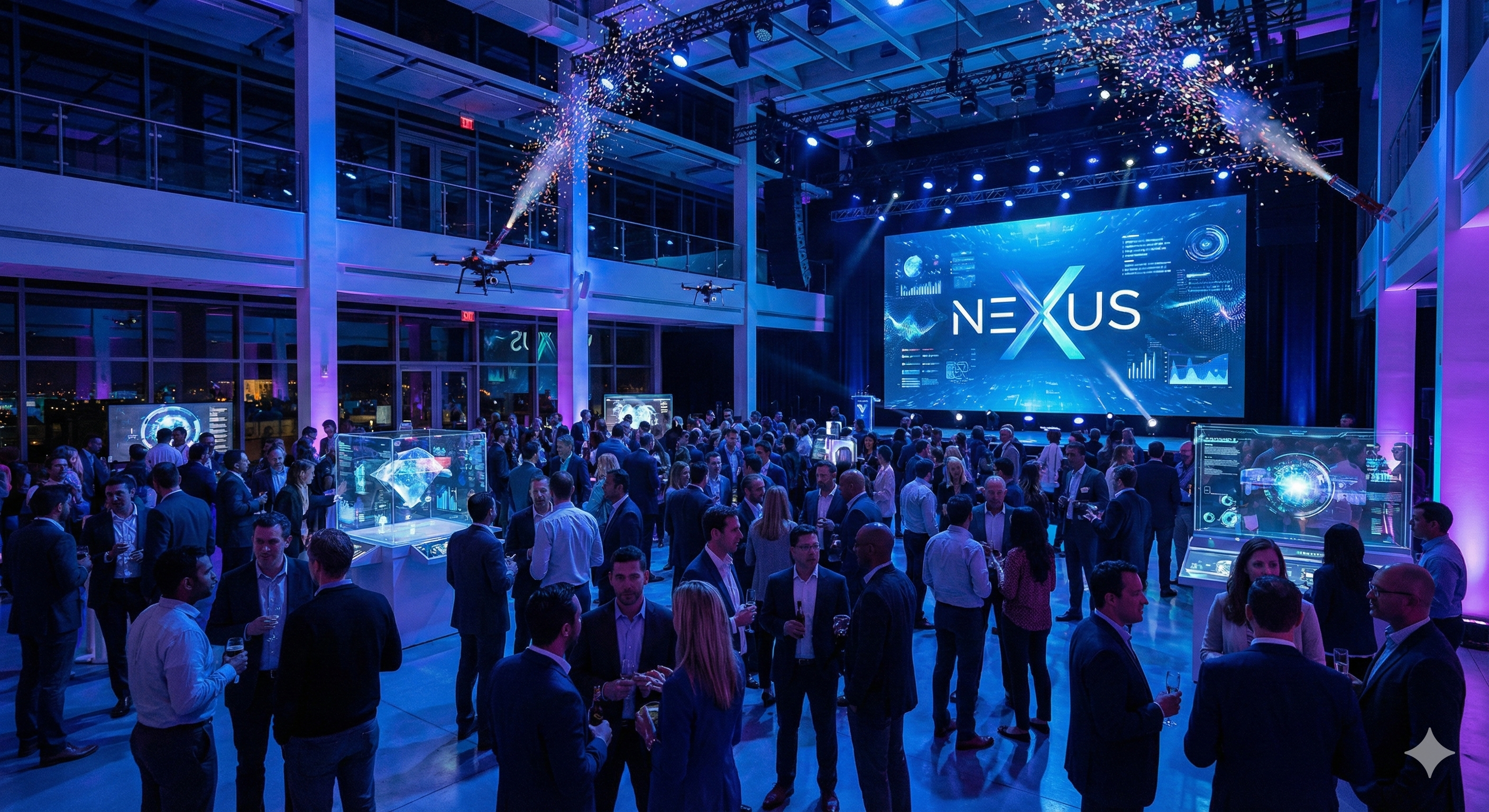
Creating Unforgettable Tech Launch Parties: How Behavior Intelligence Drives Product Adoption
Transform your product launch from a forgettable keynote into an immersive experience that creates emotional connections and drives early adoption.
 Justin O'Heir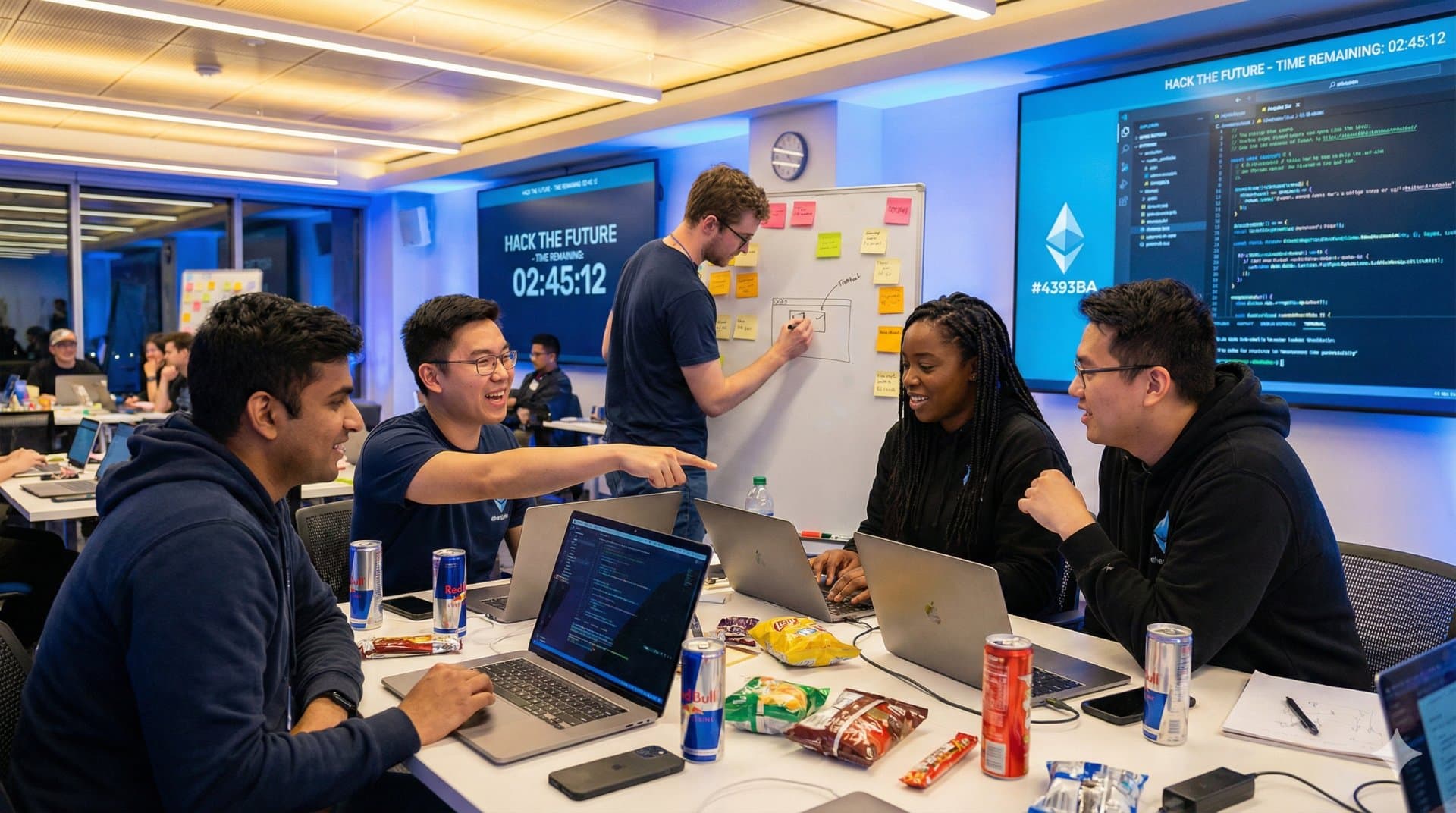
Developer Conferences & Hackathons: Building Community Through Shared Creation
Developer events are unique, attendees come to build, not just watch. Learn how technology companies are using experience data to create developer conferences and hackathons that foster genuine community, drive platform adoption, and turn developers into advocates.
 Elias Emal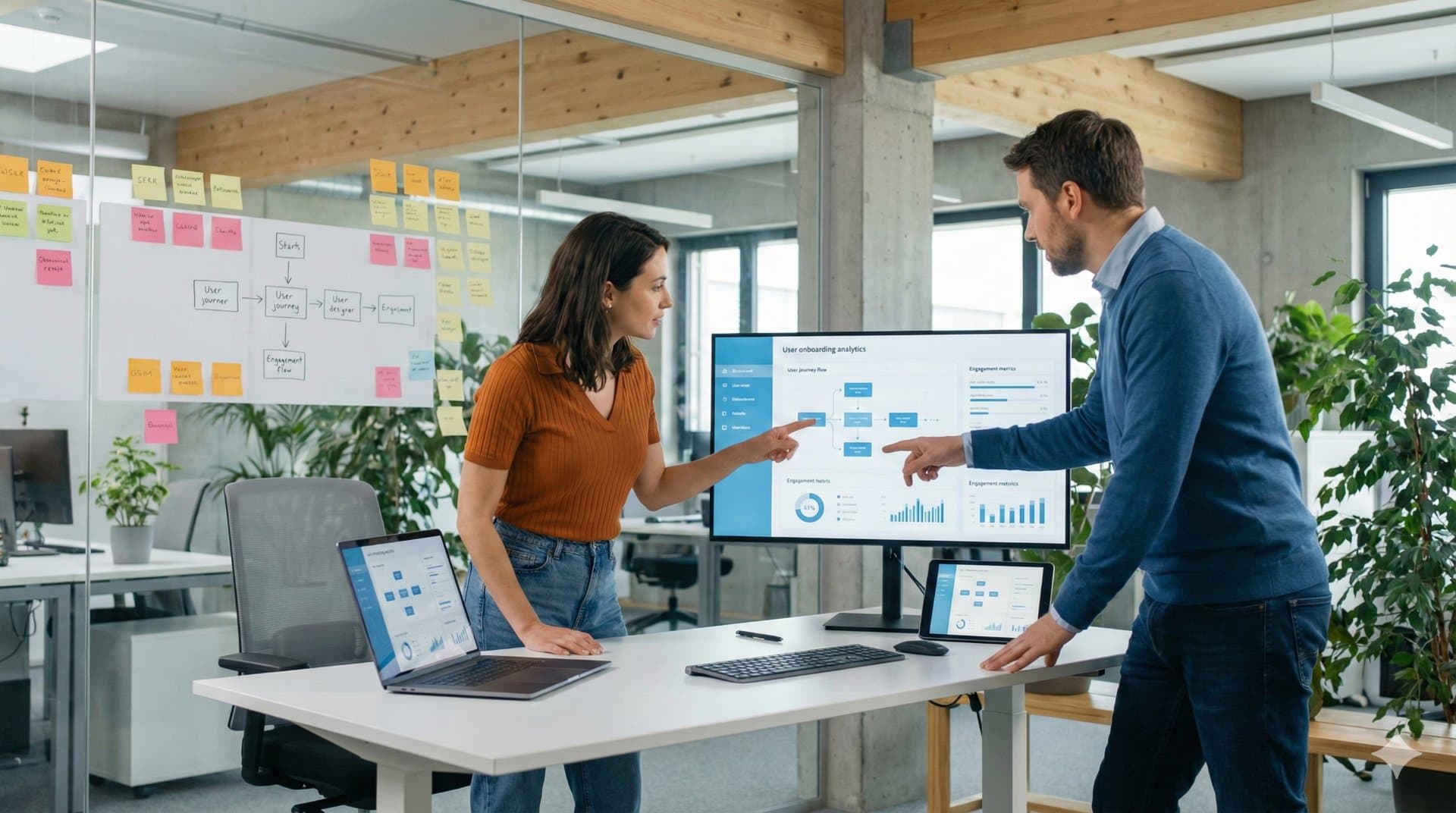
SaaS Onboarding Experiences: Turning Trial Users into Power Users
The first 7 days determine whether a trial user becomes a paying customer. Learn how technology companies are using experience data to design onboarding journeys that accelerate time-to-value and dramatically improve conversion rates.
Elias EmalInterested in implementing this for your brand?