
Developer Conferences & Hackathons: Building Community Through Shared Creation
Developer events are unique, attendees come to build, not just watch. Learn how technology companies are using experience data to create developer conferences and hackathons that foster genuine community, drive platform adoption, and turn developers into advocates.
The Developer Experience Difference
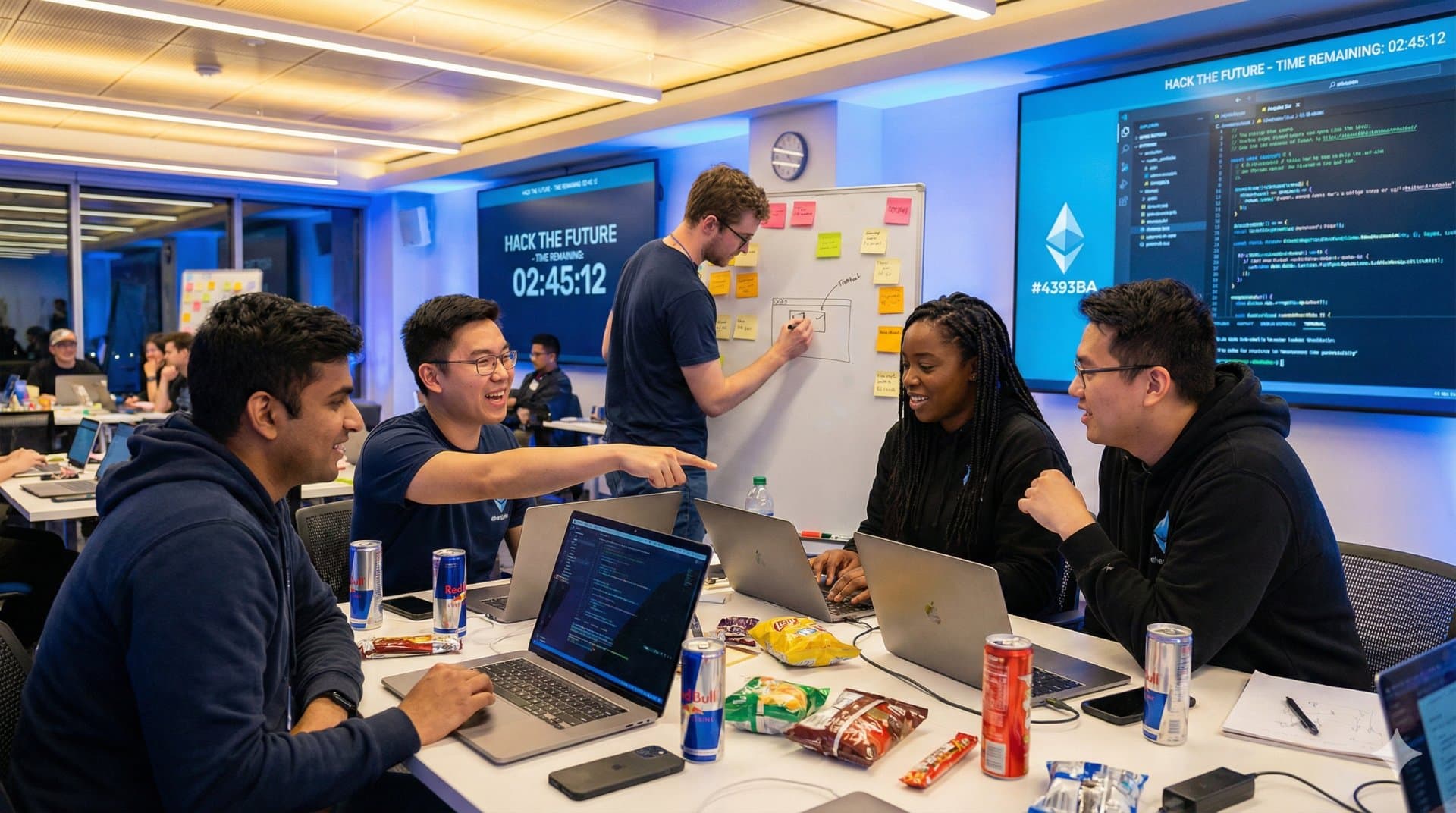
Developer events aren't like other corporate gatherings. Attendees aren't passive consumers of content, they're active creators who come to learn, build, and connect with peers. This fundamental difference demands a completely different approach to event design and measurement.
Why Developer Events Matter
The Developer as Kingmaker
In today's technology landscape, developers often drive purchasing decisions:
| Decision Type | Developer Influence |
|---|---|
| Tool/framework adoption | 89% influenced by developer preference |
| Platform selection | 67% driven by developer experience |
| Vendor evaluation | 78% include developer input |
| Technology stack | 92% determined by engineering teams |
The Community Multiplier
Developers who have positive event experiences become:
- Advocates: Recommending your platform to peers
- Contributors: Building on and improving your ecosystem
- Educators: Creating tutorials and content
- Recruiters: Attracting talent to your community
Designing Developer Experiences
Conference Sessions That Work
Experience data reveals what developers actually want:
High engagement:
- Live coding and demos (not slides)
- Deep technical dives with real code
- Failure stories and lessons learned
- Interactive workshops with hands-on practice
Low engagement:
- Marketing-heavy keynotes
- Surface-level overviews
- Vendor pitches disguised as sessions
- Panels without technical depth
Hackathon Design Principles
Experience data from successful hackathons shows:
Optimal structure:
- 24-48 hours (longer leads to burnout)
- Clear but flexible challenge themes
- Accessible APIs and documentation
- Mentors available but not hovering
- Judging criteria announced upfront
Critical success factors:
- Reliable WiFi and power (obvious but often failed)
- Comfortable spaces for different work styles
- Food that doesn't require leaving
- Quiet zones for focused work
Measuring Developer Experience
Beyond Attendance Metrics
| Vanity Metric | Experience Metric | Why It Matters |
|---|---|---|
| Registrations | Active participants | Quality over quantity |
| Session attendance | Engagement depth | Learning vs. seat-warming |
| Hackathon submissions | Project quality | Innovation vs. completion |
| Social mentions | Sentiment and advocacy | Positive vs. any mention |
The Developer Journey
Experience data tracks the full journey:
- Pre-event: Anticipation, preparation, expectations
- Arrival: First impressions, navigation, orientation
- Sessions: Engagement, comprehension, inspiration
- Networking: Connection quality, community building
- Building: Flow state, collaboration, problem-solving
- Showcase: Pride, recognition, feedback reception
- Post-event: Continued engagement, advocacy, action
Long-Term Impact Metrics
Developer events should drive:
- Platform signups and trial activations
- API usage and integration depth
- Community contributions (code, docs, content)
- Referrals and word-of-mouth
- Talent pipeline and hiring
The Hackathon Experience Deep Dive
Emotional Arc of a Hackathon
Experience data reveals a predictable emotional journey:
Hours 0-4: Excitement & Formation
- Team formation anxiety/excitement
- Idea brainstorming energy
- Optimistic scope estimation
Hours 4-12: Reality & Struggle
- Technical challenges emerge
- Scope reduction decisions
- Frustration peaks (critical support moment)
Hours 12-20: Flow & Progress
- Teams hit their stride
- Collaboration deepens
- Progress becomes visible
Hours 20-24: Sprint & Polish
- Final push energy
- Pride in creation
- Presentation anxiety
Intervention Opportunities
Experience data enables targeted support:
| Signal | Intervention | Impact |
|---|---|---|
| Early frustration spike | Mentor check-in | 67% recovery rate |
| Team conflict indicators | Facilitated conversation | 82% resolution |
| Scope creep detection | Gentle guidance | 3x completion rate |
| Energy crash | Strategic break/snack | 45% productivity boost |
Building Lasting Community
From Event to Ecosystem
The best developer events are beginnings, not endings:
During event:
- Facilitate meaningful connections
- Create shared experiences and memories
- Establish communication channels
Post-event:
- Continue conversations in community spaces
- Celebrate and showcase projects
- Provide paths for deeper involvement
The Advocate Journey
Experience data tracks progression:
- Attendee: Came to one event
- Returner: Comes back repeatedly
- Contributor: Shares knowledge or code
- Advocate: Actively promotes community
- Leader: Helps organize and mentor
Case Study: Platform Developer Conference
A cloud platform company reimagined their annual developer conference:
Traditional approach:
- 3-day conference, 5,000 attendees
- Keynotes, breakout sessions, expo hall
- Evening networking events
- Measured: Attendance, survey scores
Experience-optimized approach:
- 2-day conference + 1-day hackathon
- 50% hands-on workshops (up from 20%)
- "Office hours" with engineering teams
- Community-led unconference sessions
- Experience data capture throughout
Results:
- Platform signups within 30 days: +156%
- API calls from attendees: +234%
- Community contributions: +89%
- NPS: 67 → 84
- Attendee-to-advocate conversion: 34%
Key Takeaways
- Developers are creators, not consumers, design events accordingly
- Hands-on experiences outperform passive content
- Hackathons require careful emotional journey management
- The goal is community building, not just event execution
- Long-term platform adoption is the true success metric
Related Articles
Creating Unforgettable Tech Launch Parties: How Behavior Intelligence Drives Product Adoption
Transform your product launch from a forgettable keynote into an immersive experience that creates emotional connections and drives early adoption.
 Justin O'Heir
Winning at CES and Tech Trade Shows: Stand Out with Experience Data
Learn how leading technology companies use behavior intelligence to cut through the noise at CES, MWC, and major trade shows, turning booth visits into qualified pipeline.
Justin O'Heir
SaaS Onboarding Experiences: Turning Trial Users into Power Users
The first 7 days determine whether a trial user becomes a paying customer. Learn how technology companies are using experience data to design onboarding journeys that accelerate time-to-value and dramatically improve conversion rates.
 Elias Emal
Interested in implementing this for your brand?