
AI Shopping Assistants: When Robots Meet Retail Reality
AI-powered shopping assistants promise personalized service at scale. But do customers actually want to talk to robots? Experience data reveals the truth about human-AI interaction in retail environments.
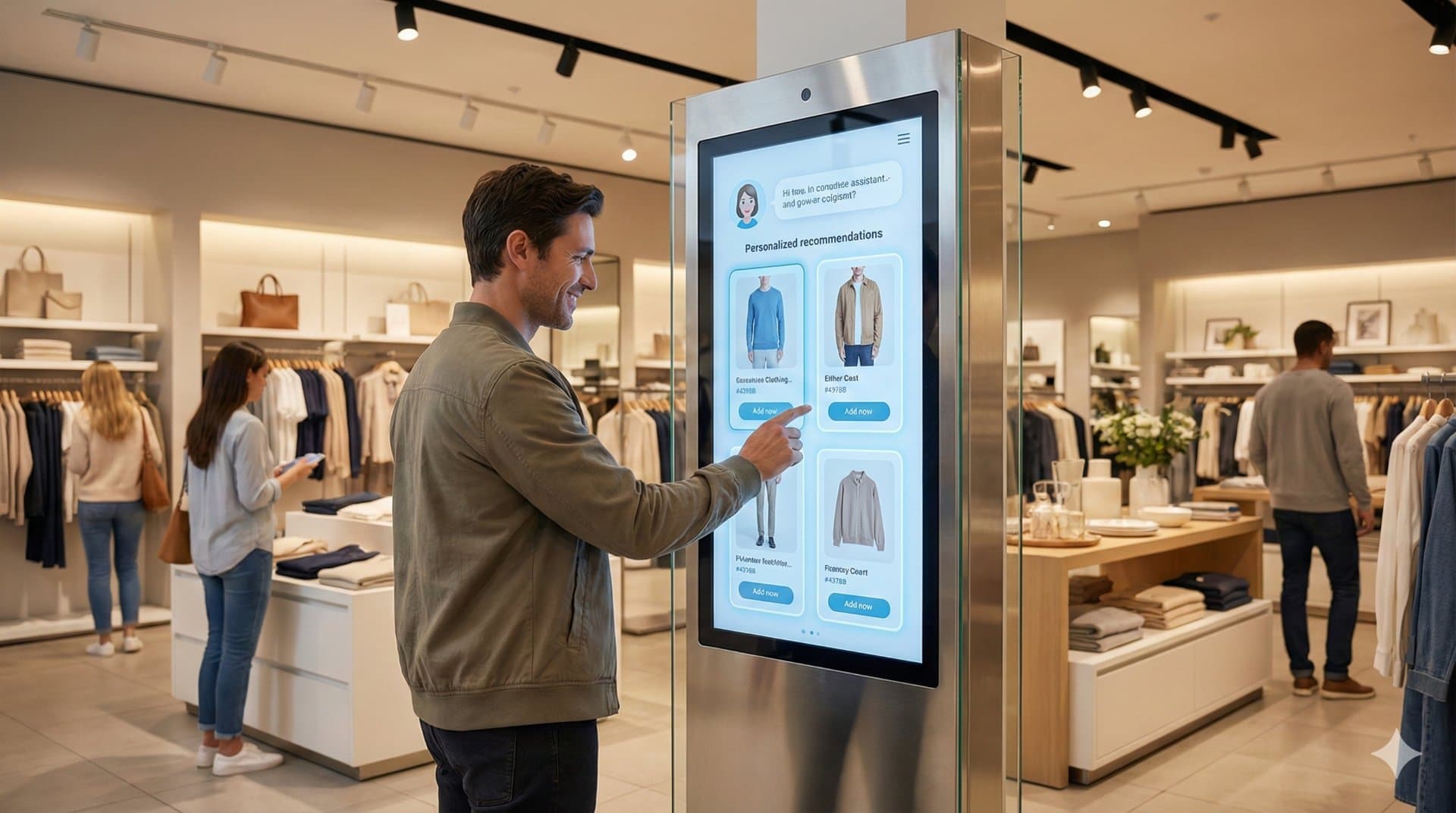
The Promise of AI in Retail
AI shopping assistants, whether screen-based kiosks, voice interfaces, or physical robots, promise to solve retail's biggest challenge: delivering personalized service at scale. But the gap between promise and reality is often vast.
The Human-AI Interaction Challenge
Customers don't interact with AI the same way they interact with humans. Understanding these differences is crucial for successful implementation.
What Customers Say vs. What They Do
| What Customers Say | What Experience Data Shows |
|---|---|
| "I prefer human help" | 67% try AI first if wait time > 2 minutes |
| "AI is impersonal" | Satisfaction scores equal when AI solves the problem |
| "I don't trust AI recommendations" | AI recommendations accepted 43% of the time |
| "Robots are creepy" | Novelty engagement is high, repeat usage varies |
The AI Experience Journey
Experience data reveals distinct phases in customer-AI interactions:
Phase 1: Approach Decision
- Trigger: Need for assistance
- Factors: Wait time for humans, AI visibility, social comfort
- Emotional state: Curiosity mixed with skepticism
Phase 2: Initial Engagement
- Critical window: First 10 seconds determine continuation
- Success factors: Clear purpose, simple first step, immediate value
- Failure modes: Confusion, technical glitches, uncanny responses
Phase 3: Task Completion
- Engagement depth: Simple queries vs. complex assistance
- Emotional arc: Frustration tolerance, delight moments
- Handoff points: When AI should transfer to human
Phase 4: Resolution
- Outcome satisfaction: Problem solved vs. abandoned
- Attribution: Credit to AI vs. brand vs. staff
- Future intent: Likelihood to use AI again
What Experience Data Reveals
The 10-Second Rule
Experience data consistently shows that AI interactions are won or lost in the first 10 seconds. Key findings:
- Clear value proposition: "I can help you find the perfect size" outperforms "How can I help you?"
- Immediate action: Asking one specific question beats open-ended prompts
- Visual feedback: Customers need confirmation the AI is "listening"
The Frustration Threshold
Unlike human interactions, customers have a much lower frustration threshold with AI:
| Interaction | Human Tolerance | AI Tolerance |
|---|---|---|
| Misunderstanding | 3-4 attempts | 1-2 attempts |
| Wait time | 30+ seconds | 5-10 seconds |
| Incorrect answer | Will clarify | Often abandons |
| Personality quirks | Accepted | Often annoying |
The Handoff Moment
The most critical moment in AI retail experiences is the handoff to human staff. Experience data shows:
- Too early: Customers feel AI is useless
- Too late: Frustration has already peaked
- Optimal timing: When complexity exceeds AI capability, before frustration
Designing AI Experiences That Work
Start with the Right Use Cases
Experience data identifies where AI excels:
High Success:
- Product location/availability
- Size recommendations based on data
- Order status and returns
- Basic product comparisons
Mixed Results:
- Style recommendations
- Gift suggestions
- Complex problem solving
Human Preferred:
- Complaints and issues
- High-value purchases
- Emotional purchases (gifts, special occasions)
The Hybrid Model
The most successful implementations use AI to enhance human capability, not replace it:
- AI handles routine: Frees staff for high-value interactions
- AI gathers context: Staff receive customer history and preferences
- AI suggests, humans close: Recommendations from AI, relationship from humans
- AI follows up: Post-purchase support and engagement
Measuring AI Assistant ROI
Beyond Interaction Counts
| Vanity Metric | Experience Metric | Business Impact |
|---|---|---|
| Conversations started | Conversations completed | Actual assistance provided |
| Questions answered | Problems solved | Customer satisfaction |
| Recommendations made | Recommendations accepted | Revenue influence |
| Time saved | Experience quality maintained | True efficiency gain |
The Experience-Adjusted ROI
Experience data enables calculation of true AI ROI:
- Positive experiences: Full value attribution
- Neutral experiences: Partial value (task completed, no delight)
- Negative experiences: Cost attribution (damage to brand)
Case Study: Department Store AI Concierge
A major department store deployed AI concierge kiosks with experience data capture:
Initial findings:
- 72% of interactions abandoned within 15 seconds
- Customers avoided kiosks when staff were visible
- Voice interface created social discomfort
Optimizations based on experience data:
- Redesigned opening to offer specific help immediately
- Positioned kiosks in low-staff-visibility areas
- Switched to touch-first with voice optional
- Added clear "get human help" option visible throughout
Results after optimization:
- Completion rate increased to 61%
- Customer satisfaction matched human assistance
- Staff productivity increased 34% (focused on complex needs)
- 2.3x ROI achieved within 8 months
Key Takeaways
- AI success in retail depends on experience design, not just technology
- The first 10 seconds determine interaction success
- Customers have lower frustration tolerance with AI than humans
- Hybrid human-AI models outperform pure AI or pure human
- Experience data enables continuous optimization of AI interactions
Related Articles

AR Try-On Experiences: Measuring the Magic Mirror Moment
Augmented reality try-on technology is transforming retail, but how do you measure its true impact? Learn how experience data captures the emotional journey from curiosity to conversion in AR-enabled shopping.
 Miriam Arbus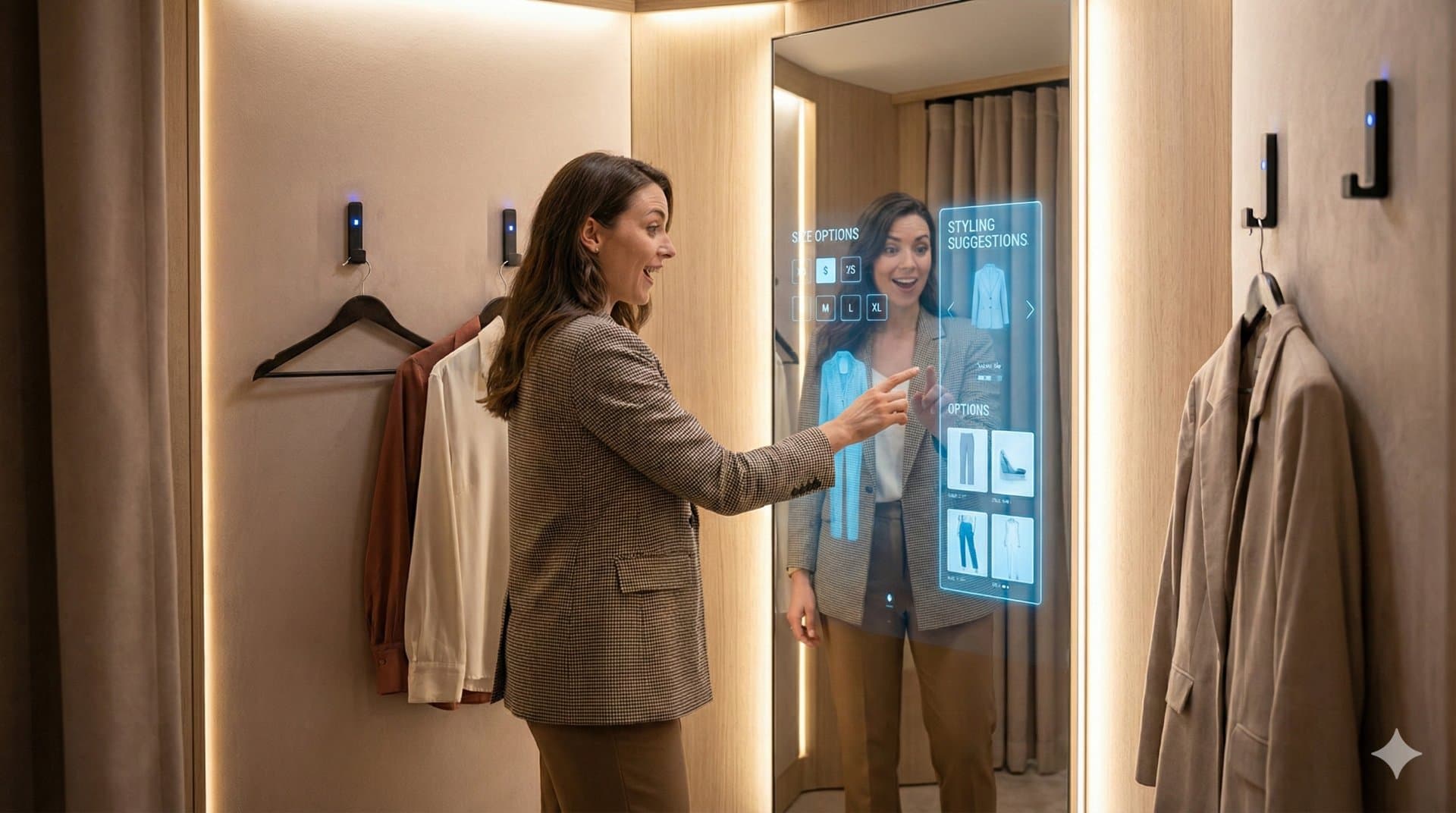
Smart Fitting Rooms: The Most Valuable 10 Square Feet in Retail
The fitting room is where purchase decisions are made, or lost. Smart fitting room technology promises to transform this critical space. Learn how experience data reveals what actually happens behind the curtain.
Miriam Arbus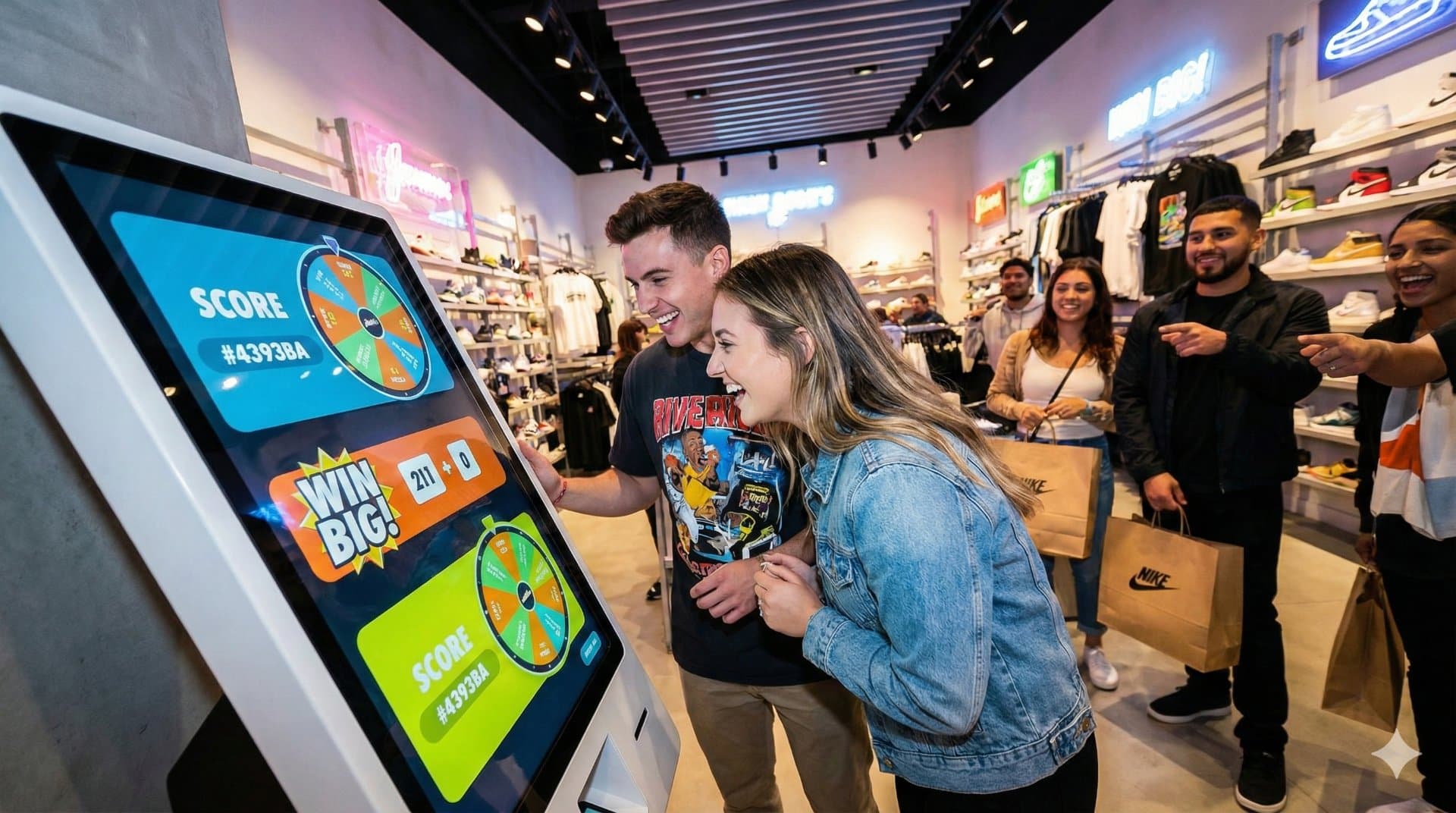
Gamification in Retail: When Shopping Becomes Play
Interactive games and gamified experiences are transforming retail spaces into playgrounds. But does fun translate to sales? Experience data reveals how to design games that drive both engagement and conversion.
Miriam ArbusInterested in implementing this for your brand?