
AR Try-On Experiences: Measuring the Magic Mirror Moment
Augmented reality try-on technology is transforming retail, but how do you measure its true impact? Learn how experience data captures the emotional journey from curiosity to conversion in AR-enabled shopping.
The AR Revolution in Retail
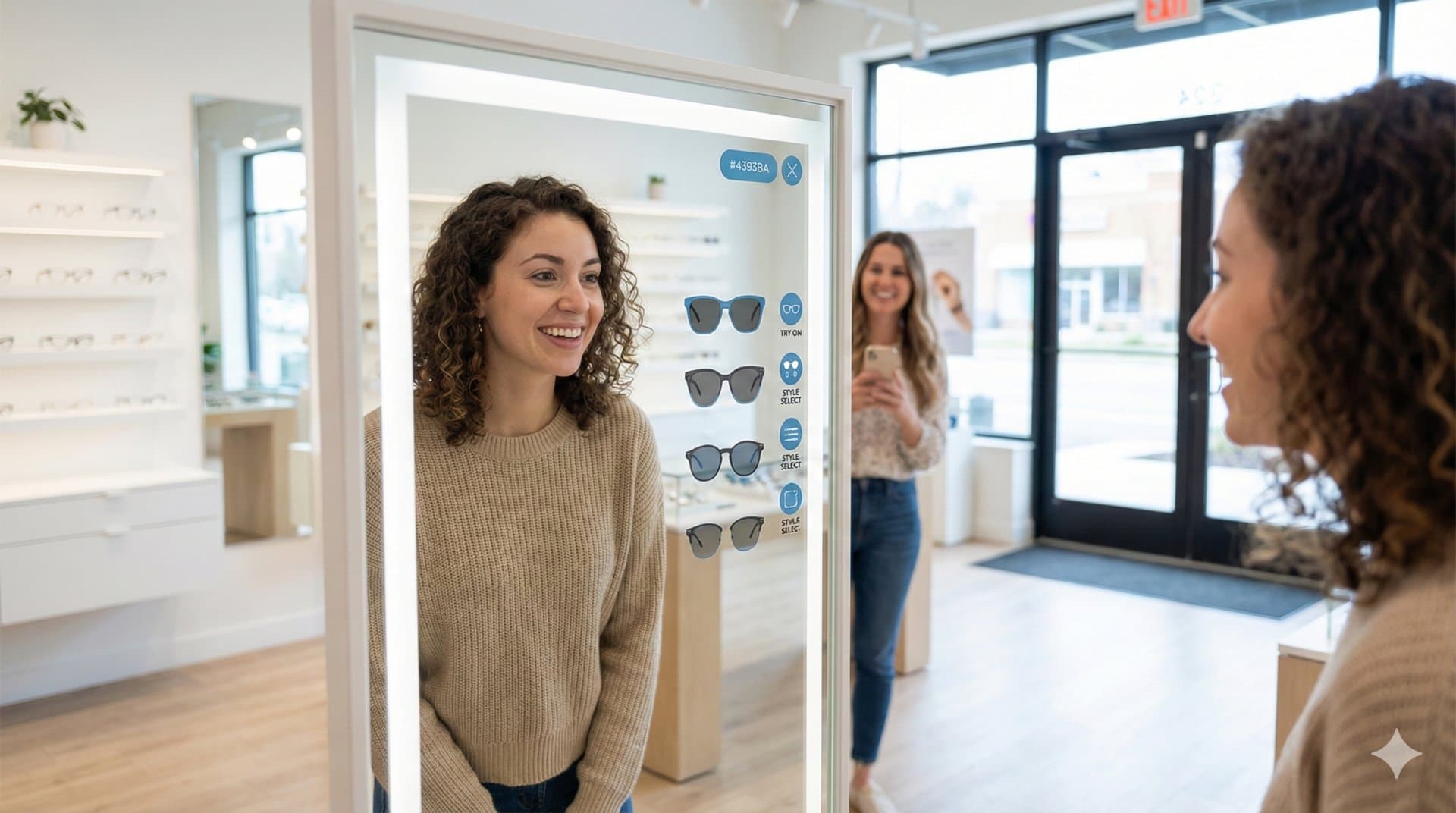
Augmented reality try-on experiences have moved from novelty to necessity. From virtual makeup applications to furniture visualization to trying on watches without touching them, AR is reshaping how consumers interact with products. But while the technology is impressive, measuring its actual impact on purchase behavior has remained elusive.
Beyond "Cool Factor": What Really Matters
Early AR implementations focused on the wow factor, impressive demos that generated social shares but questionable ROI. The real opportunity lies in understanding how AR experiences influence the customer journey.
The AR Experience Journey
- Discovery - Customer encounters the AR experience
- Curiosity - Initial engagement and exploration
- Immersion - Deep interaction with virtual try-on
- Comparison - Testing multiple options
- Decision - Moving toward or away from purchase
- Sharing - Social validation seeking
What Experience Data Reveals
The "Magic Mirror Moment"
Experience data from AR try-on implementations reveals a consistent pattern: there's a specific moment when customers shift from "playing with technology" to "seriously shopping." We call this the Magic Mirror Moment.
| Phase | Behavior | Emotional Signal | Insight |
|---|---|---|---|
| Exploration | Rapid switching between options | Curiosity, playfulness | Customer is learning the interface |
| Consideration | Slower, deliberate comparisons | Focus, evaluation | Serious purchase consideration begins |
| Magic Mirror Moment | Extended time with single option | Excitement, ownership | High purchase intent detected |
| Decision | Return to favorites, sharing | Confidence or uncertainty | Conversion likelihood clear |
Identifying Friction Points
AR experiences often fail not because of technology, but because of experience design. Common friction points revealed by experience data:
- Onboarding confusion: Customers don't understand how to start
- Uncanny valley effects: Virtual representations that feel "off"
- Option overload: Too many choices paralyze decision-making
- Reality disconnect: Virtual appearance doesn't match in-store reality
Optimizing AR for Conversion
Personalization Based on Emotional Signals
Experience data enables real-time personalization:
- Hesitant customers: Offer guided recommendations
- Overwhelmed customers: Simplify options, suggest bestsellers
- Confident customers: Enable faster checkout paths
- Social sharers: Prompt sharing at emotional peaks
Staff Integration
AR doesn't replace human connection, it enhances it. Experience data helps staff:
- Know when to approach (Magic Mirror Moment detected)
- Understand what the customer has tried
- Offer relevant suggestions based on preferences shown
- Close sales with confidence about customer intent
Measuring True AR ROI
Beyond Engagement Metrics
Traditional AR metrics miss the point:
| Vanity Metric | Experience Metric | Why It Matters |
|---|---|---|
| Sessions started | Meaningful interactions | Quality over quantity |
| Time in app | Time in consideration phase | Intent matters more than duration |
| Items tried | Comparison patterns | Decision-making behavior |
| Social shares | Share timing and context | Advocacy vs. novelty sharing |
Connecting to Business Outcomes
Experience data enables clear ROI calculation:
- Conversion lift: Customers who reach Magic Mirror Moment convert at 3.4x rate
- Basket size increase: AR users add 23% more items on average
- Return reduction: Virtual try-on reduces returns by 35%
- Customer lifetime value: AR-engaged customers have 28% higher LTV
Case Study: Beauty Retailer Transformation
A major beauty retailer implemented experience data capture across their AR try-on mirrors:
Discoveries:
- Customers who tried 5-7 shades converted highest (not 1-2 or 10+)
- Morning shoppers preferred natural looks; evening shoppers went bolder
- The Magic Mirror Moment occurred 40% faster when staff greeted first
- Sharing to social correlated with 2.1x higher purchase value
Actions:
- Redesigned AR flow to guide toward optimal try-on count
- Adjusted recommendations by time of day
- Trained staff on optimal greeting timing
- Added seamless social sharing at emotional peaks
Results:
- 47% increase in AR-influenced conversions
- 31% reduction in returns
- 4.2x ROI on AR technology investment
Key Takeaways
- AR try-on success isn't about technology, it's about experience design
- The "Magic Mirror Moment" predicts purchase intent with high accuracy
- Experience data reveals friction points invisible to traditional analytics
- Staff integration amplifies AR effectiveness
- True ROI comes from connecting emotional signals to business outcomes
Related Articles
AI Shopping Assistants: When Robots Meet Retail Reality
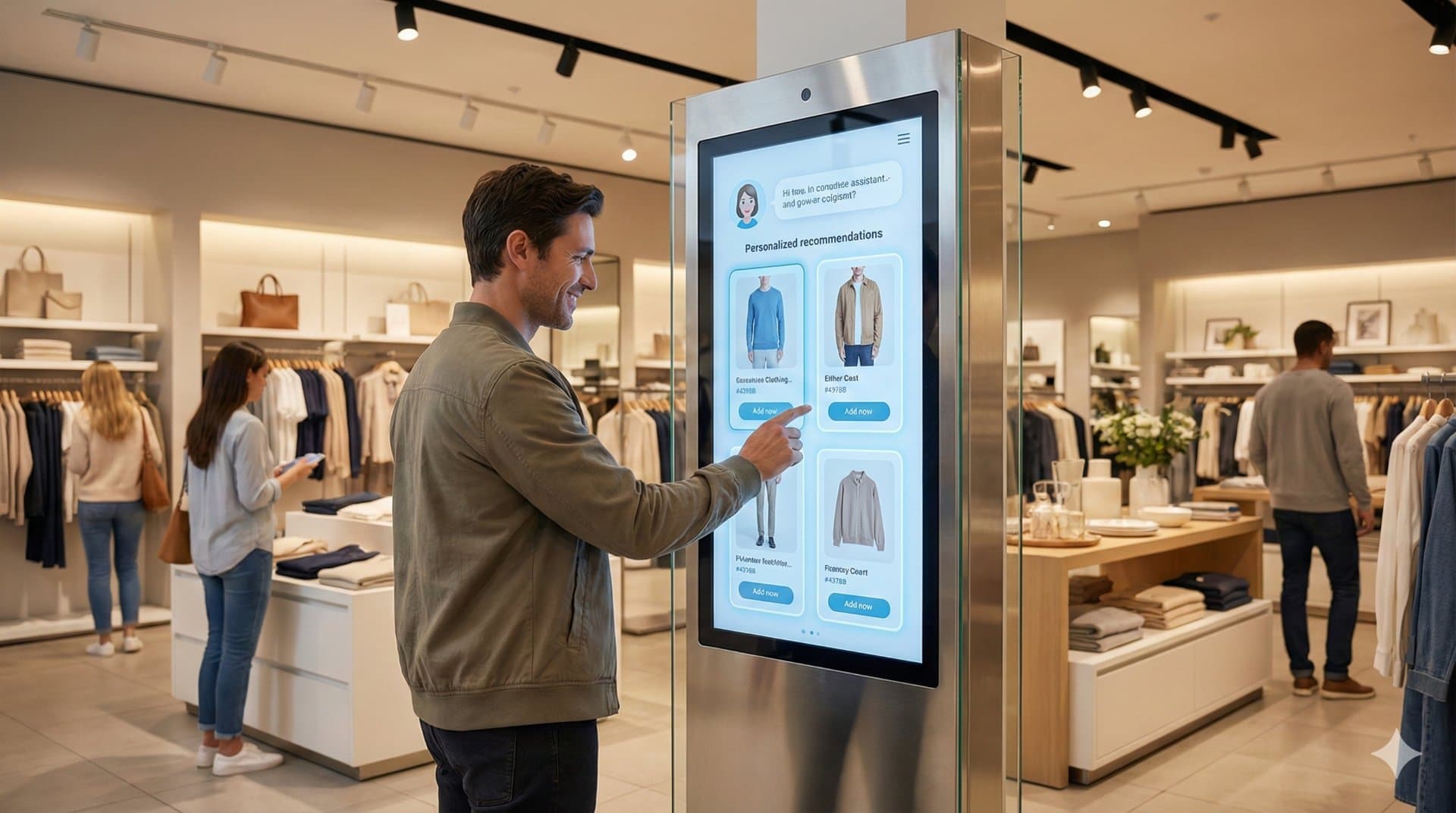
AI-powered shopping assistants promise personalized service at scale. But do customers actually want to talk to robots? Experience data reveals the truth about human-AI interaction in retail environments.
 Miriam Arbus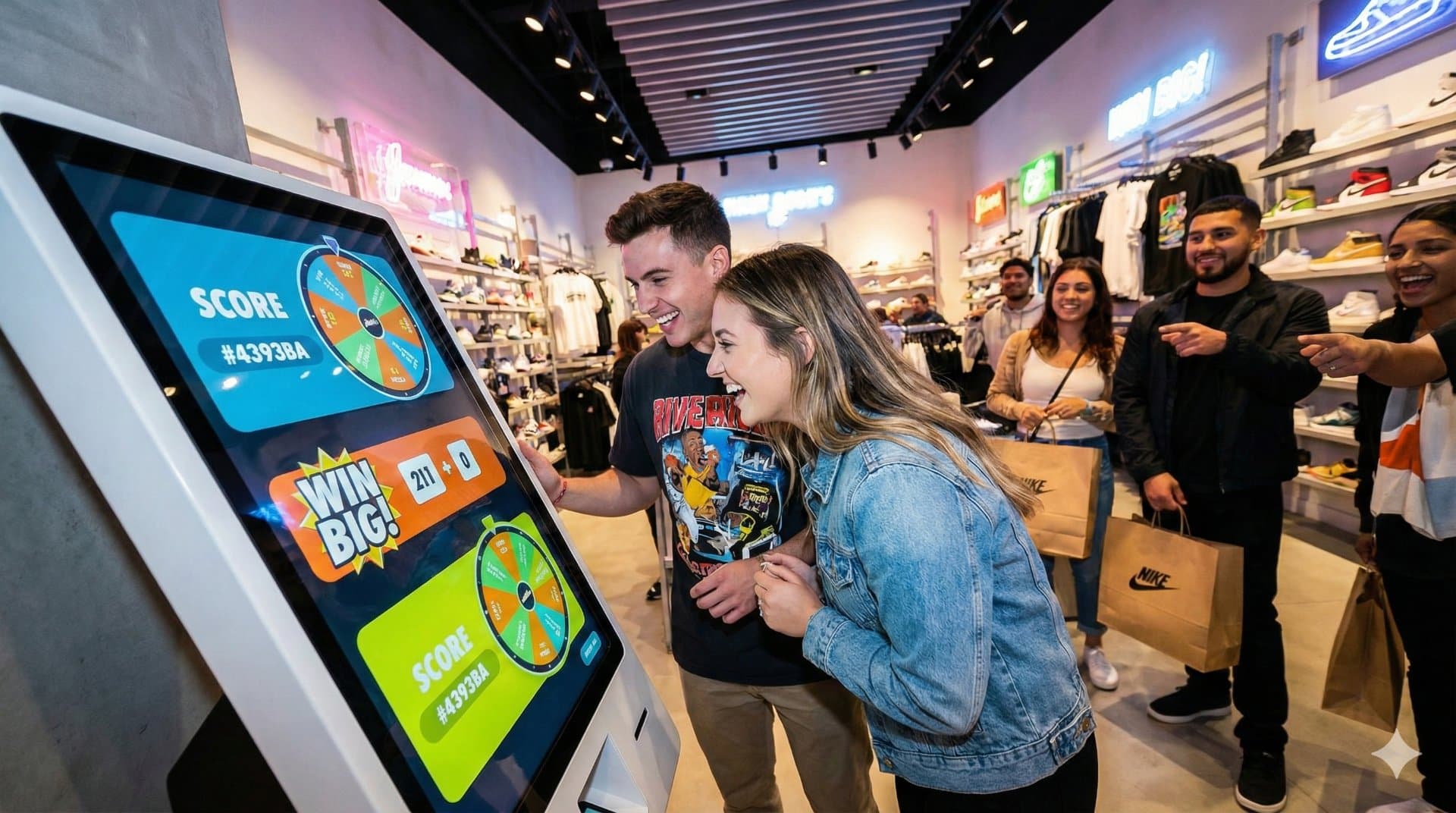
Gamification in Retail: When Shopping Becomes Play
Interactive games and gamified experiences are transforming retail spaces into playgrounds. But does fun translate to sales? Experience data reveals how to design games that drive both engagement and conversion.
Miriam Arbus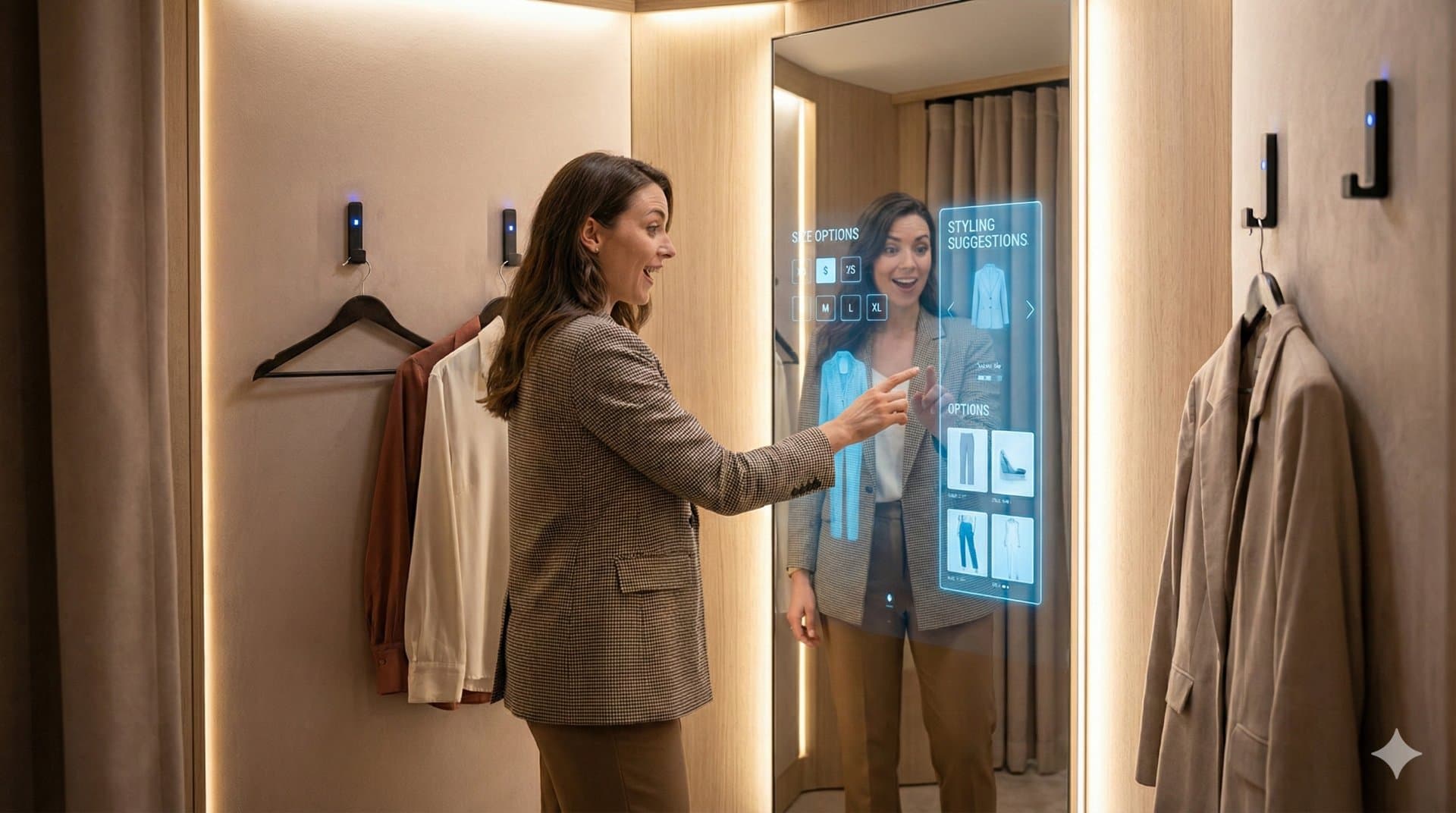
Smart Fitting Rooms: The Most Valuable 10 Square Feet in Retail
The fitting room is where purchase decisions are made, or lost. Smart fitting room technology promises to transform this critical space. Learn how experience data reveals what actually happens behind the curtain.
Miriam ArbusInterested in implementing this for your brand?