
Gamification in Retail: When Shopping Becomes Play
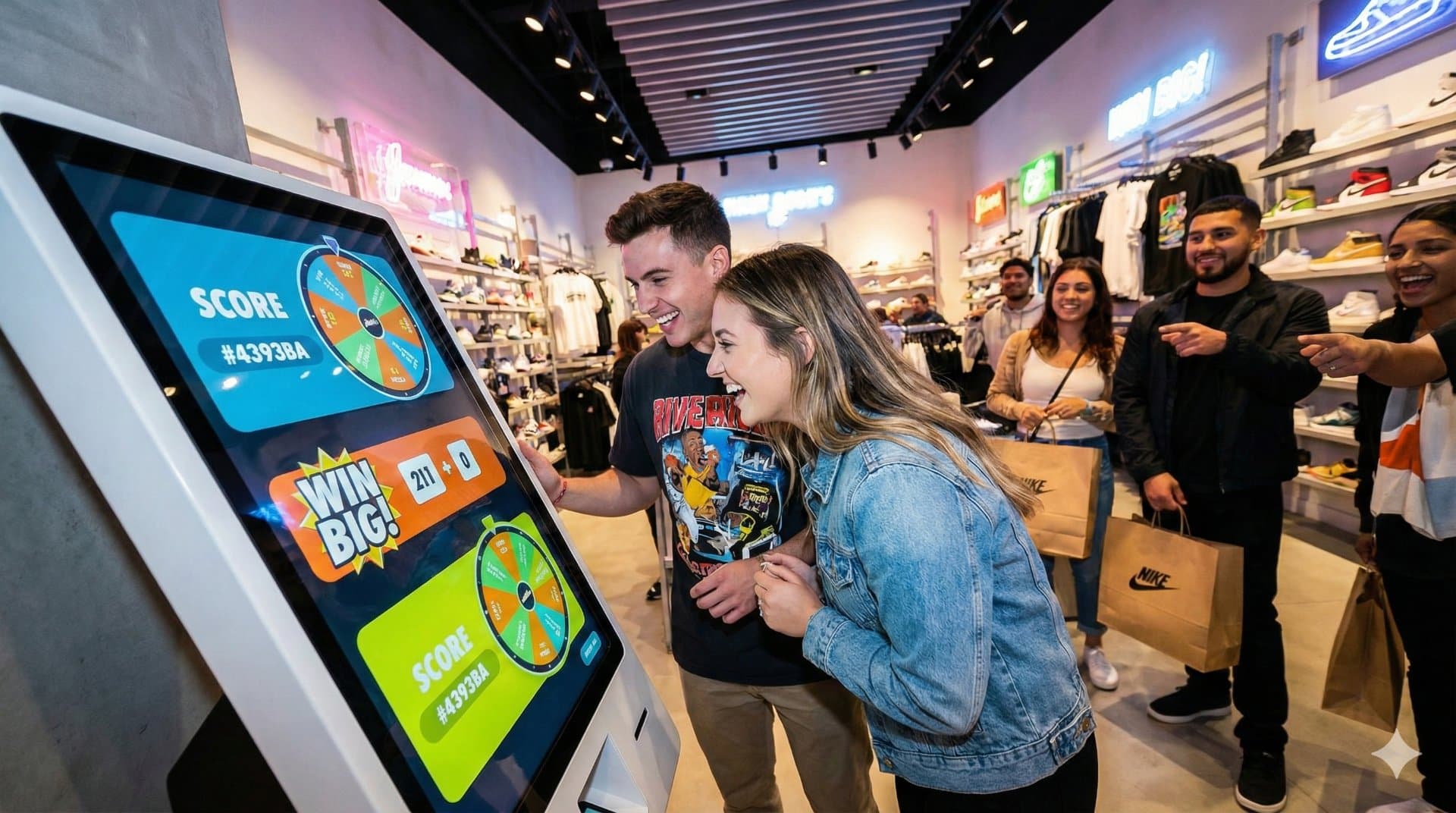
Interactive games and gamified experiences are transforming retail spaces into playgrounds. But does fun translate to sales? Experience data reveals how to design games that drive both engagement and conversion.
The Gamification Opportunity
Retail faces a fundamental challenge: how do you compete with the convenience of online shopping? One answer: make the in-store experience something you can't get online. Interactive games and gamified experiences create memorable moments that drive foot traffic, engagement, and ultimately, sales.
Beyond Entertainment: Strategic Gamification
The difference between a gimmick and a strategy lies in intentional design. Successful retail gamification serves specific business objectives while creating genuine customer value.
The Gamification Spectrum
| Type | Example | Primary Goal | Measurement Challenge |
|---|---|---|---|
| Pure Entertainment | Arcade-style games | Foot traffic, dwell time | Connecting to sales |
| Product Discovery | "Find your style" quizzes | Engagement, data capture | Quality of insights |
| Loyalty Mechanics | Points, badges, streaks | Return visits, spend | Long-term attribution |
| Social Competition | Leaderboards, challenges | Viral reach, community | Authentic engagement |
What Experience Data Reveals
The Engagement-Conversion Paradox
Traditional metrics suggest a paradox: highly engaging games often show weak sales correlation. Experience data reveals why:
The Problem:
- Customers play games, then leave
- High engagement, low conversion
- Fun doesn't equal purchase intent
The Insight: Experience data shows the issue isn't engagement, it's transition design. Games that end with a clear path to product discovery convert 4.7x better than those that simply end.
The Emotional Arc of Retail Gaming
Successful retail games follow a predictable emotional arc:
- Curiosity (0-10 seconds): "What is this?"
- Challenge (10-60 seconds): "Can I do this?"
- Achievement (60-120 seconds): "I did it!"
- Reward (post-game): "What did I win?"
- Discovery (transition): "Show me the products"
Experience data shows that games missing any phase see significant drop-off.
Social Dynamics Matter
Retail gaming experiences are inherently social. Experience data reveals:
- Solo players: Higher completion rates, lower sharing
- Pairs: Highest conversion rates (competition + validation)
- Groups (3+): Highest engagement, but diffused purchase intent
- Spectators: Often convert after watching others
Designing for Conversion
The 90-Second Rule
Experience data consistently shows optimal game length is 60-90 seconds:
- Under 60 seconds: Not enough investment to create commitment
- 60-90 seconds: Peak engagement-to-conversion ratio
- Over 90 seconds: Diminishing returns, queue frustration
Reward Design That Drives Sales
Not all rewards are equal. Experience data ranks reward effectiveness:
| Reward Type | Engagement | Conversion Impact | Best For |
|---|---|---|---|
| Instant discount | High | Highest | Price-sensitive segments |
| Product samples | Medium | High | Trial-dependent products |
| Exclusive access | Medium | Medium-High | Premium/loyalty customers |
| Points/badges | Medium | Low-Medium | Long-term engagement |
| Social recognition | Variable | Low | Brand awareness |
The Product Connection
Games must connect to products naturally. Forced connections feel manipulative; organic connections feel rewarding.
Weak connection: "You won! Here's a coupon for socks."
Strong connection: "Your style profile suggests you'd love these items. Here's 15% off to try them."
Measuring Gamification ROI
The Attribution Challenge
Gamification ROI is notoriously hard to measure. Experience data solves this by tracking:
- Immediate conversion: Purchase within same visit
- Delayed conversion: Return visit purchase (with game data linked)
- Influence attribution: Game-influenced vs. game-independent purchases
- Lifetime value impact: Long-term behavior changes
Experience-Adjusted Metrics
| Standard Metric | Experience-Adjusted Metric | Why It Matters |
|---|---|---|
| Games played | Meaningful completions | Quality over quantity |
| Time played | Emotional engagement score | Depth of experience |
| Rewards claimed | Rewards redeemed for purchase | Actual business impact |
| Social shares | Share-to-conversion rate | Valuable virality |
Case Study: Sneaker Retailer Gamification
A sneaker retailer implemented interactive "design your dream shoe" touchscreen experiences:
Initial approach:
- Complex shoe customization game
- Average play time: 4+ minutes
- High engagement scores
- Minimal sales impact
Experience data insights:
- Customers loved designing but felt overwhelmed by options
- Long play time created queue frustration
- No clear path from game to actual purchase
- Social sharing happened, but at wrong moment
Redesigned approach:
- Simplified to "style match" game (90 seconds)
- Results showed real products matching their style
- Added "see it in store" with aisle directions
- Social sharing prompted after finding products
Results:
- 340% increase in game-to-purchase conversion
- 28% of players made same-day purchase
- 52% returned within 30 days
- Social shares drove 12% of new game players
Key Takeaways
- Gamification must connect entertainment to purchase intent
- The 60-90 second sweet spot maximizes engagement-to-conversion
- Transition design (game → product) is more important than game design
- Reward type significantly impacts conversion rates
- Experience data enables true ROI measurement of gamification investments
Related Articles
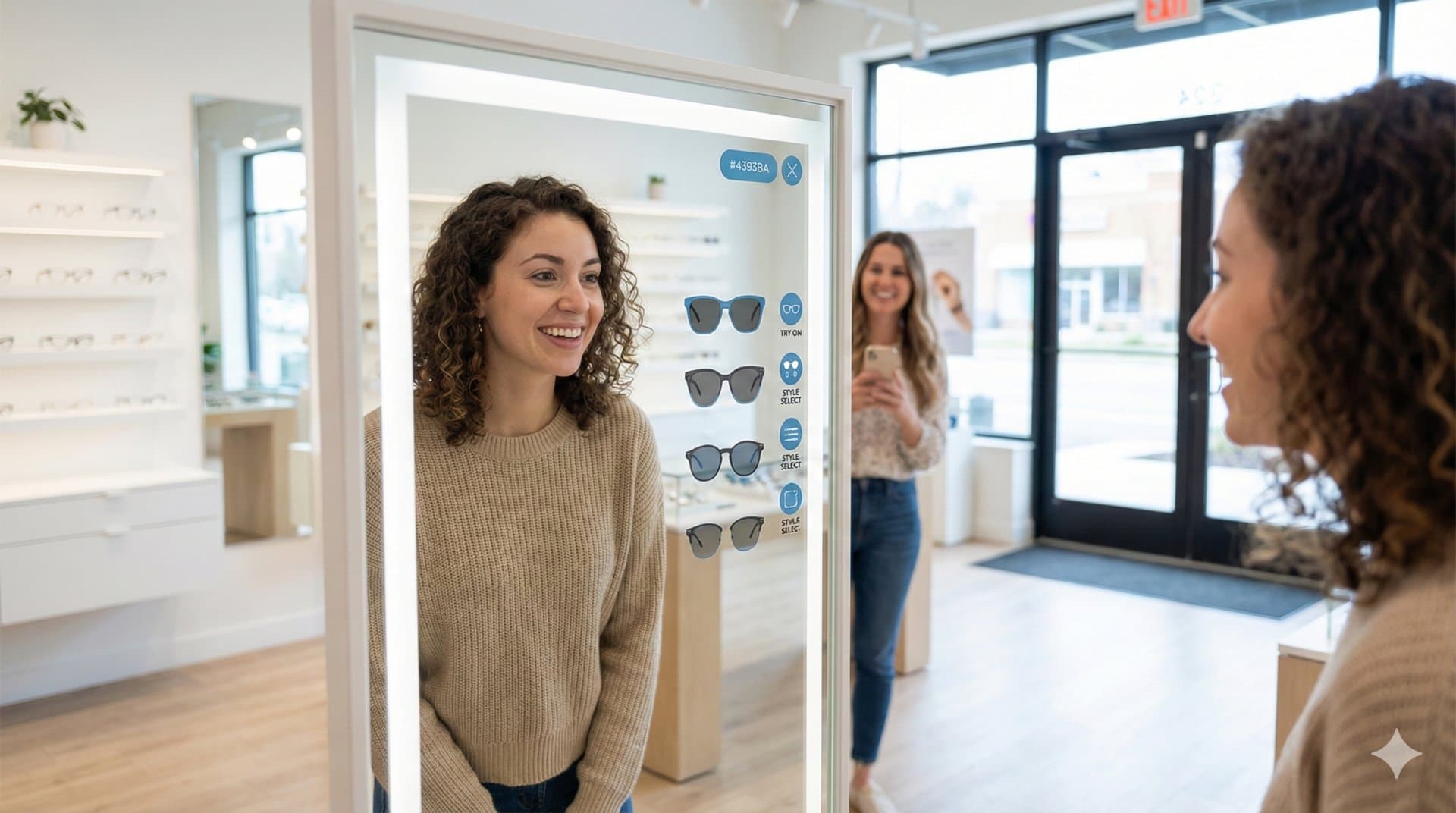
AR Try-On Experiences: Measuring the Magic Mirror Moment
Augmented reality try-on technology is transforming retail, but how do you measure its true impact? Learn how experience data captures the emotional journey from curiosity to conversion in AR-enabled shopping.
 Miriam Arbus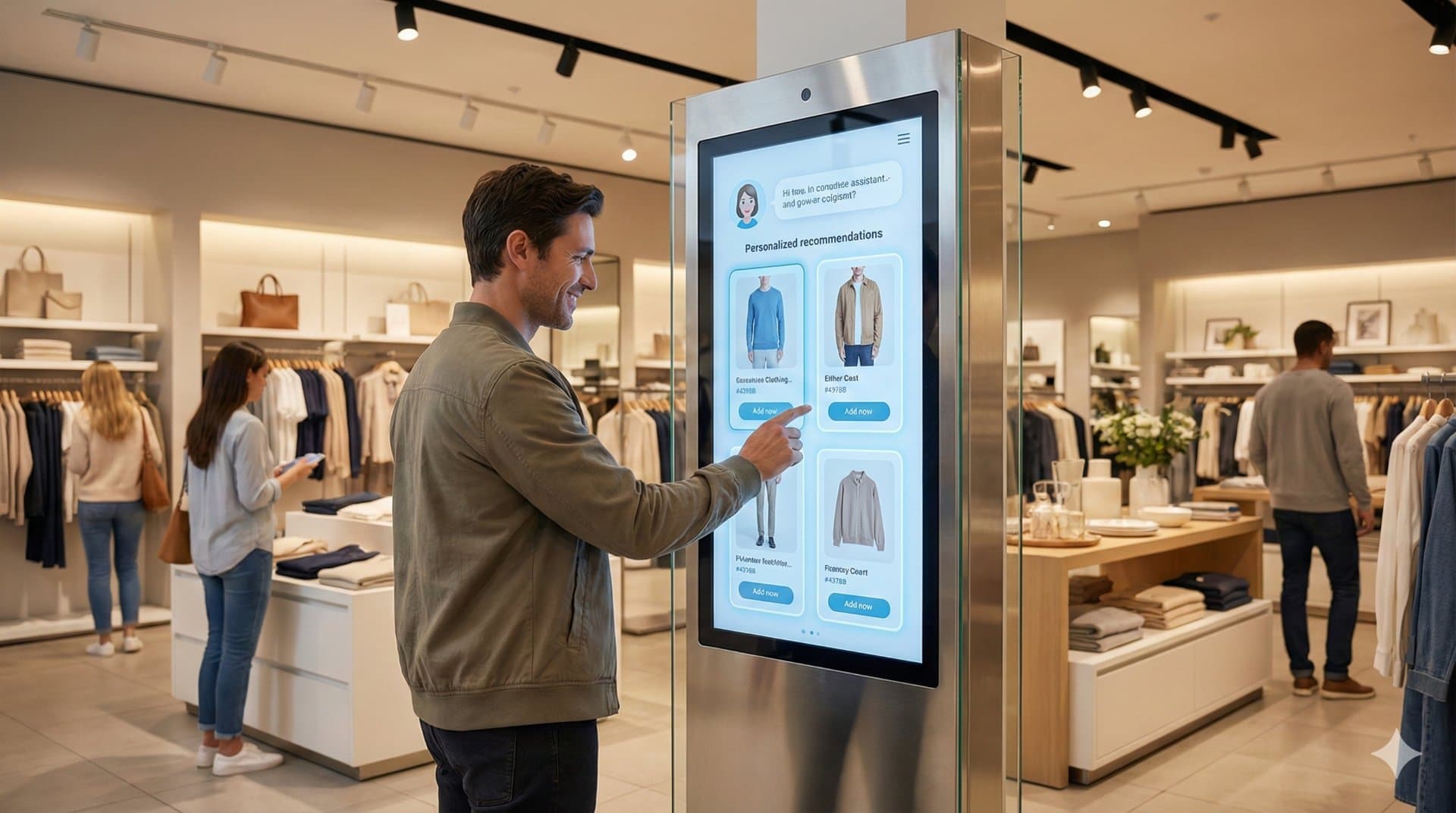
AI Shopping Assistants: When Robots Meet Retail Reality
AI-powered shopping assistants promise personalized service at scale. But do customers actually want to talk to robots? Experience data reveals the truth about human-AI interaction in retail environments.
Miriam Arbus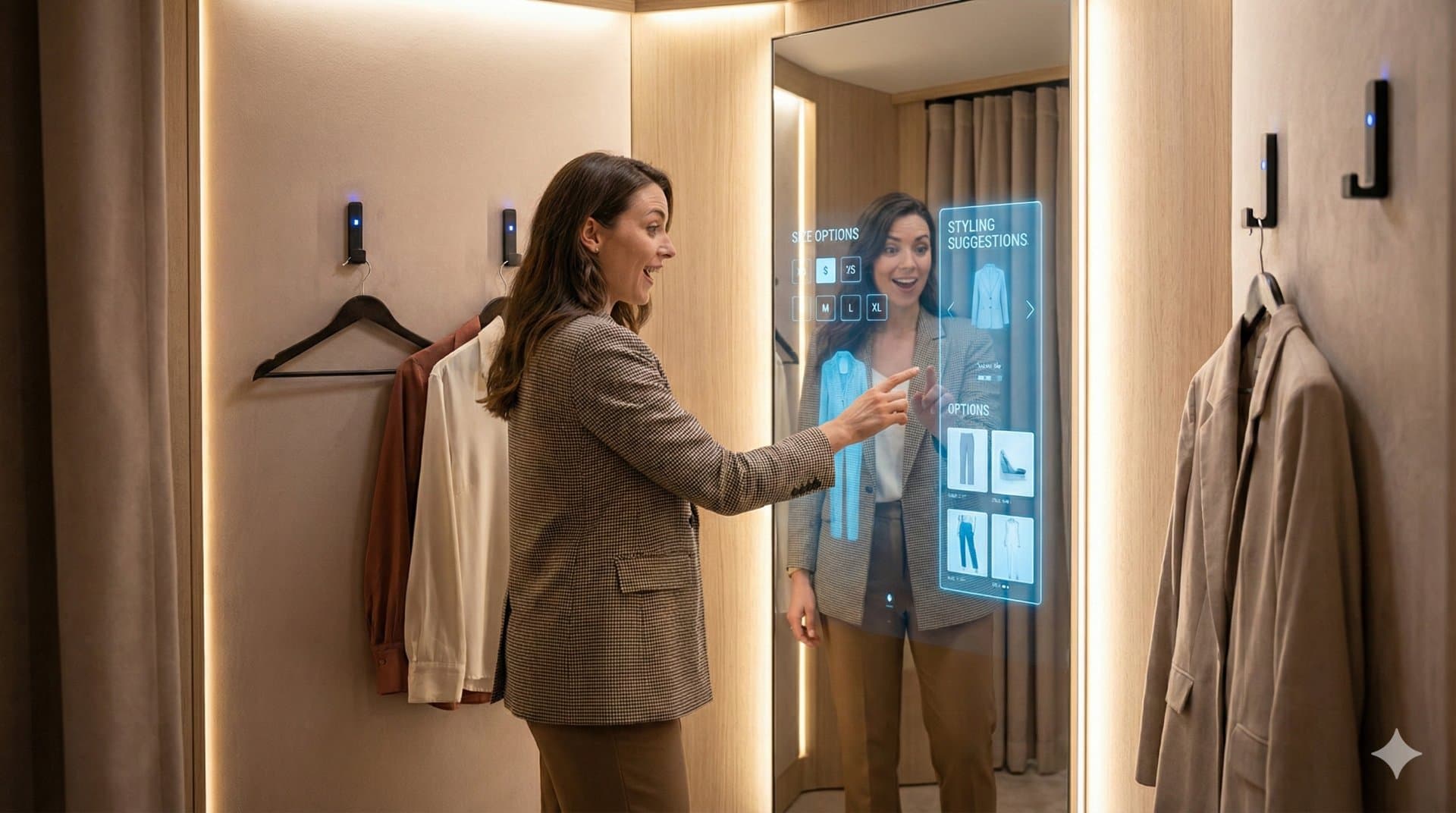
Smart Fitting Rooms: The Most Valuable 10 Square Feet in Retail
The fitting room is where purchase decisions are made, or lost. Smart fitting room technology promises to transform this critical space. Learn how experience data reveals what actually happens behind the curtain.
Miriam ArbusInterested in implementing this for your brand?