
How Experiential Marketing Humanizes Technology: Building Emotional Bridges to Complex Products
Technology companies struggle to connect emotionally with customers. Learn how experiential marketing transforms abstract features into felt experiences that drive adoption and loyalty.

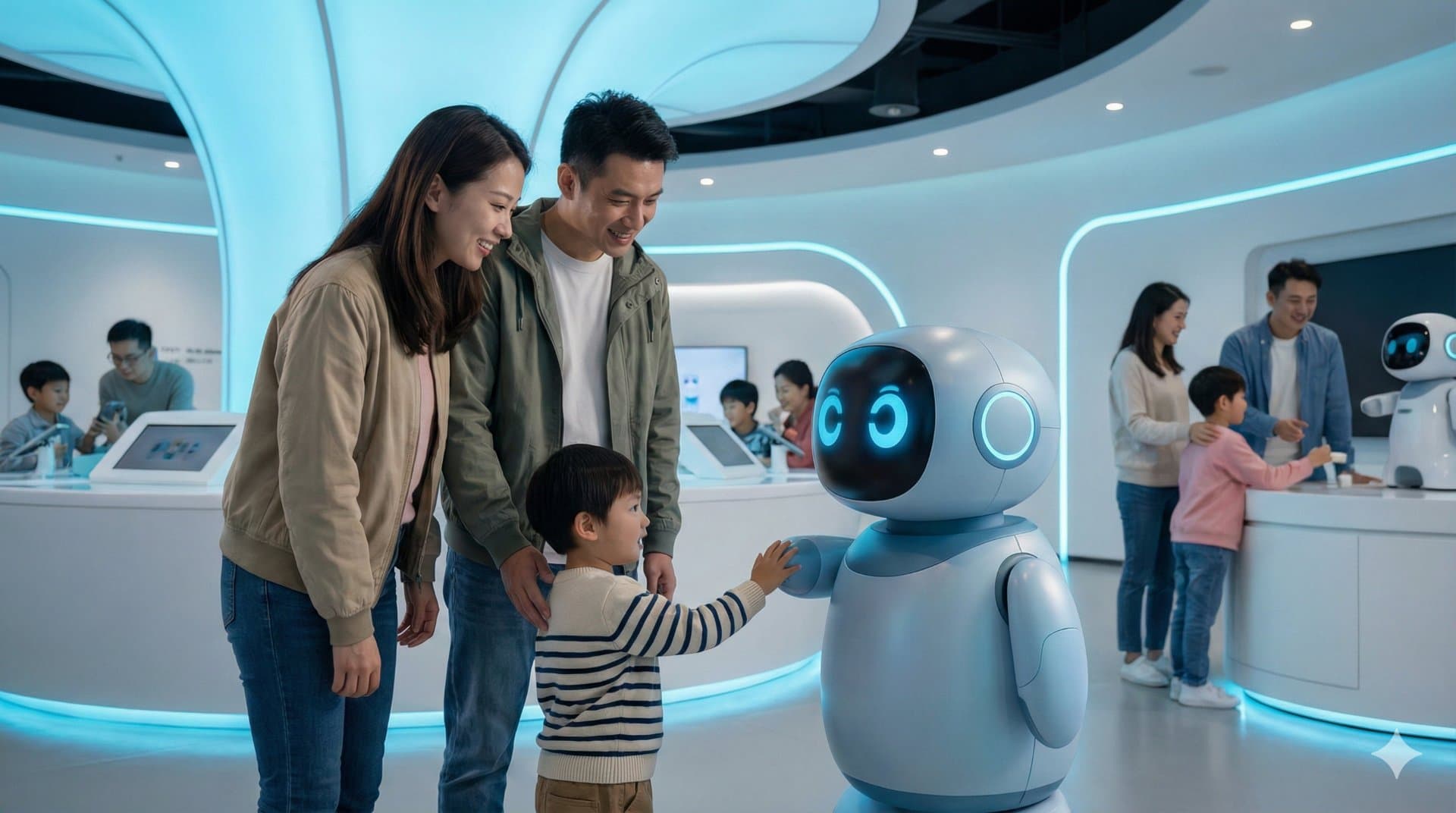
The Technology Empathy Gap
There's a fundamental disconnect in how technology companies communicate. Engineers build remarkable products. Marketing translates features into benefits. But somewhere along the way, the human element gets lost.
The result: Products that could transform lives feel cold, complex, and unapproachable.
Consider this: The average enterprise software purchase involves 6-10 decision makers, takes 6-12 months, and still results in buyer's remorse 40% of the time. Not because the product is wrong, but because the buying experience fails to create confidence and connection.
Why Technology Needs Humanization
The Complexity Problem
Technology products are increasingly powerful, and increasingly abstract:
- AI/ML solutions that work in ways even experts struggle to explain
- Cloud infrastructure that exists everywhere and nowhere
- Security products protecting against invisible threats
- Data platforms processing information at incomprehensible scale
How do you create emotional connection with something you can't see, touch, or fully understand?
The Trust Deficit
Technology buyers are skeptical, and rightfully so:
| Buyer Concern | Percentage |
|---|---|
| "Will it actually work as promised?" | 78% |
| "Will my team adopt it?" | 71% |
| "Is the company stable/trustworthy?" | 64% |
| "Will support be there when I need it?" | 69% |
These aren't feature questions. They're emotional questions. And they can't be answered with spec sheets.
The Differentiation Challenge
When every competitor claims to be:
- "AI-powered"
- "Enterprise-grade"
- "Secure by design"
- "Built for scale"
...words lose meaning. The only differentiation that matters is how you make people feel.
The Experiential Solution
Experiential marketing bridges the gap between abstract capability and felt understanding. It transforms "what it does" into "what it means for me."
Principle 1: Make the Invisible Visible
Abstract concepts need physical manifestation:
Example: A Cybersecurity Company
Instead of talking about "threat detection," they created an experience:
- Visitors entered a dark room representing their network
- As they moved through, lights revealed "threats" based on their behavior
- A dashboard showed real-time "protection" as the product neutralized threats
- Visitors left understanding viscerally what the product does
Result: 3.4x increase in demo-to-trial conversion
Principle 2: Create Before/After Moments
Show transformation, don't just describe it:
Example: A Data Analytics Platform
Instead of showing dashboards, they created a journey:
- Before: Visitors made decisions with limited information (and experienced the frustration)
- The Moment: The platform revealed insights that changed everything
- After: Visitors made the same decisions with full visibility (and felt the difference)
Result: 2.8x increase in perceived value during sales conversations
Principle 3: Build Peer Connection
Technology adoption is social, leverage it:
Example: A Developer Tools Company
Instead of individual demos, they created collaborative experiences:
- Teams of strangers worked together to solve challenges
- The product enabled collaboration in ways that felt magical
- Participants left with connections, and stories to tell
Result: 4.2x increase in organic referrals
Principle 4: Capture and Reflect Emotion
Use emotional data to personalize the journey:
Example: An AI Platform
They instrumented their experience to capture emotional signals:
- Moments of confusion triggered simplified explanations
- Moments of delight triggered deeper feature exploration
- Moments of skepticism triggered proof points and testimonials
Result: 67% reduction in sales cycle length
The Ether Framework for Technology Humanization
Stage 1: Emotional Mapping
Before designing experiences, understand the emotional landscape:
- What fears does your product address?
- What aspirations does it enable?
- What frustrations does it eliminate?
- What pride does it create?
Stage 2: Experience Design
Create touchpoints that address each emotional dimension:
| Emotional Need | Experience Element |
|---|---|
| Understanding | Interactive demonstrations |
| Confidence | Peer validation moments |
| Excitement | Capability reveals |
| Trust | Transparency experiences |
| Belonging | Community connection |
Stage 3: Signal Capture
Instrument experiences to capture emotional data:
- Engagement depth - How long do they stay?
- Interaction patterns - What captures attention?
- Emotional responses - How do they feel?
- Social behavior - Do they share?
Stage 4: Journey Personalization
Use signals to adapt the experience:
- High curiosity → Deeper technical content
- High skepticism → More proof points
- High excitement → Faster path to commitment
- High confusion → Simplified messaging
Stage 5: Relationship Building
Transform one-time experiences into ongoing connection:
- Follow-up content matched to emotional journey
- Community invitation for high-engagement visitors
- Personalized nurture based on interest signals
Case Study: A Cloud Infrastructure Company
The Challenge
A cloud infrastructure company faced a common problem:
- Product was technically superior
- Buyers couldn't differentiate from competitors
- Sales cycles were long and frustrating
- Win rates were declining despite product improvements
The Approach
They partnered with Ether to create "Cloud Experience Centers" at their offices and major events:
Zone 1: The Challenge Room
- Visitors experienced the pain of managing traditional infrastructure
- Real-time visualization of complexity, cost, and risk
Zone 2: The Transformation
- Interactive journey through migration scenarios
- Personalized based on visitor's industry and scale
Zone 3: The Outcome
- Visualization of their business running on the platform
- Connection with similar customers (via video and live chat)
Zone 4: The Community
- Introduction to user community
- Invitation to exclusive events and content
The Results
| Metric | Before | After |
|---|---|---|
| Sales cycle length | 9.2 months | 5.4 months |
| Win rate | 23% | 41% |
| Deal size | $340K avg | $520K avg |
| Customer NPS | 34 | 67 |
| Referral rate | 8% | 31% |
Implementation Roadmap
Phase 1: Foundation (Weeks 1-4)
- Conduct emotional mapping research
- Identify key experience opportunities
- Define success metrics
- Build cross-functional team
Phase 2: Design (Weeks 5-8)
- Create experience concepts
- Design interaction flows
- Plan instrumentation
- Develop content and materials
Phase 3: Pilot (Weeks 9-12)
- Launch limited experience
- Capture and analyze signals
- Iterate based on feedback
- Document learnings
Phase 4: Scale (Weeks 13+)
- Roll out to additional venues/events
- Train teams on experience delivery
- Build ongoing optimization process
- Expand to digital experiences
Common Objections (And Responses)
"We're a B2B company, emotion doesn't matter"
Reality: B2B buyers are humans first. Research shows B2B purchases are MORE emotionally driven than B2C because the stakes (career risk, team impact) are higher.
"Our product is too complex for experiential"
Reality: The more complex your product, the more you need experiential marketing. Abstract concepts need physical manifestation to be understood.
"We can't afford this"
Reality: You can't afford NOT to do this. The cost of long sales cycles, lost deals, and commoditization far exceeds the investment in experience.
"Our customers just want information"
Reality: Information is abundant. Understanding is scarce. Experience creates understanding in ways information cannot.
The Future of Technology Marketing
The companies that will win the next decade understand something fundamental:
Technology is not the product. Transformation is the product.
And transformation can only be sold through experience.
The question isn't whether experiential marketing works for technology companies. The question is: how long can you afford to compete without it?
Ready to humanize your technology? Connect with us to explore how Ether can help you build emotional bridges to your customers.
Related Articles
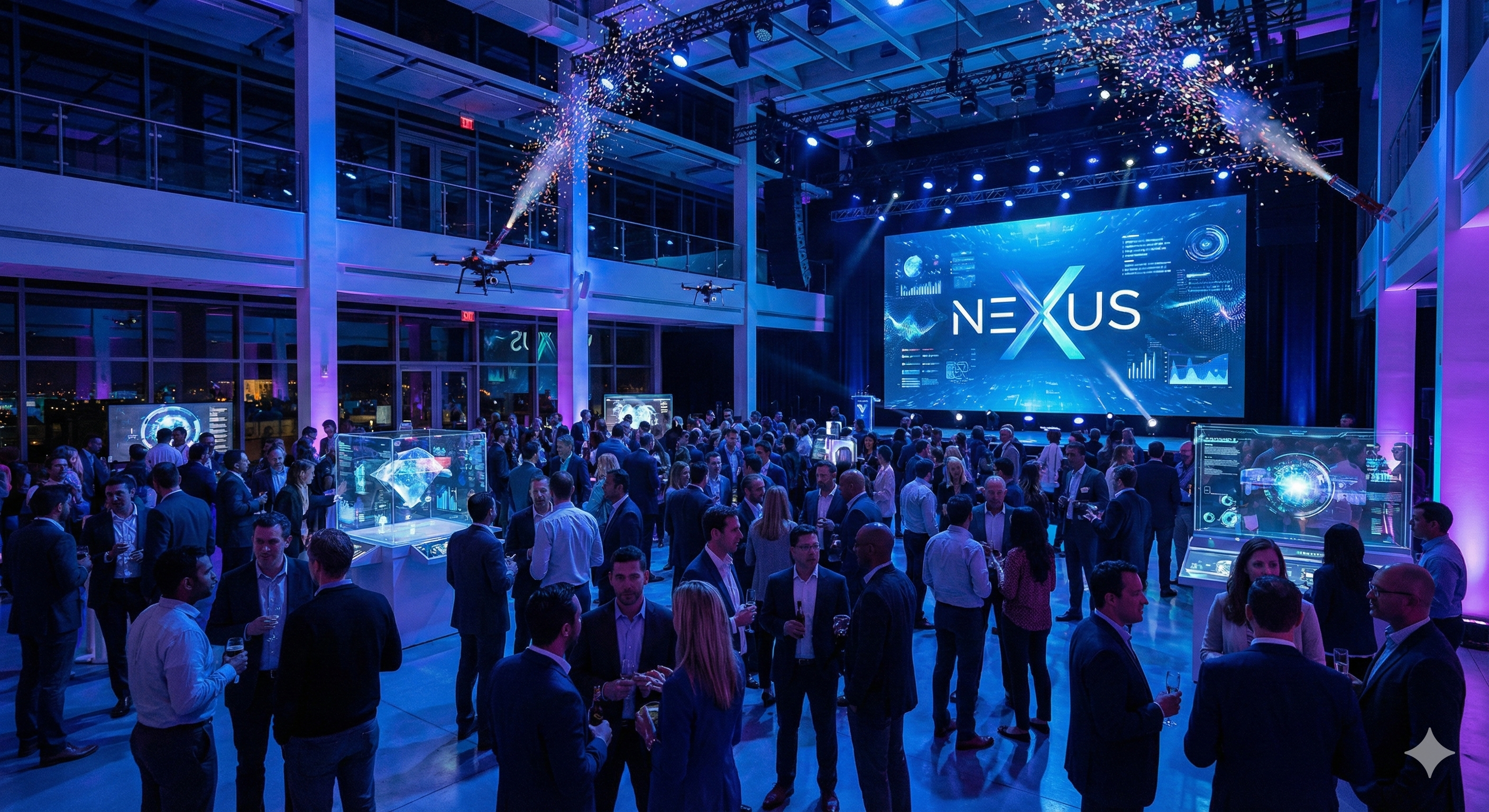
Creating Unforgettable Tech Launch Parties: How Behavior Intelligence Drives Product Adoption
Transform your product launch from a forgettable keynote into an immersive experience that creates emotional connections and drives early adoption.
 Justin O'Heir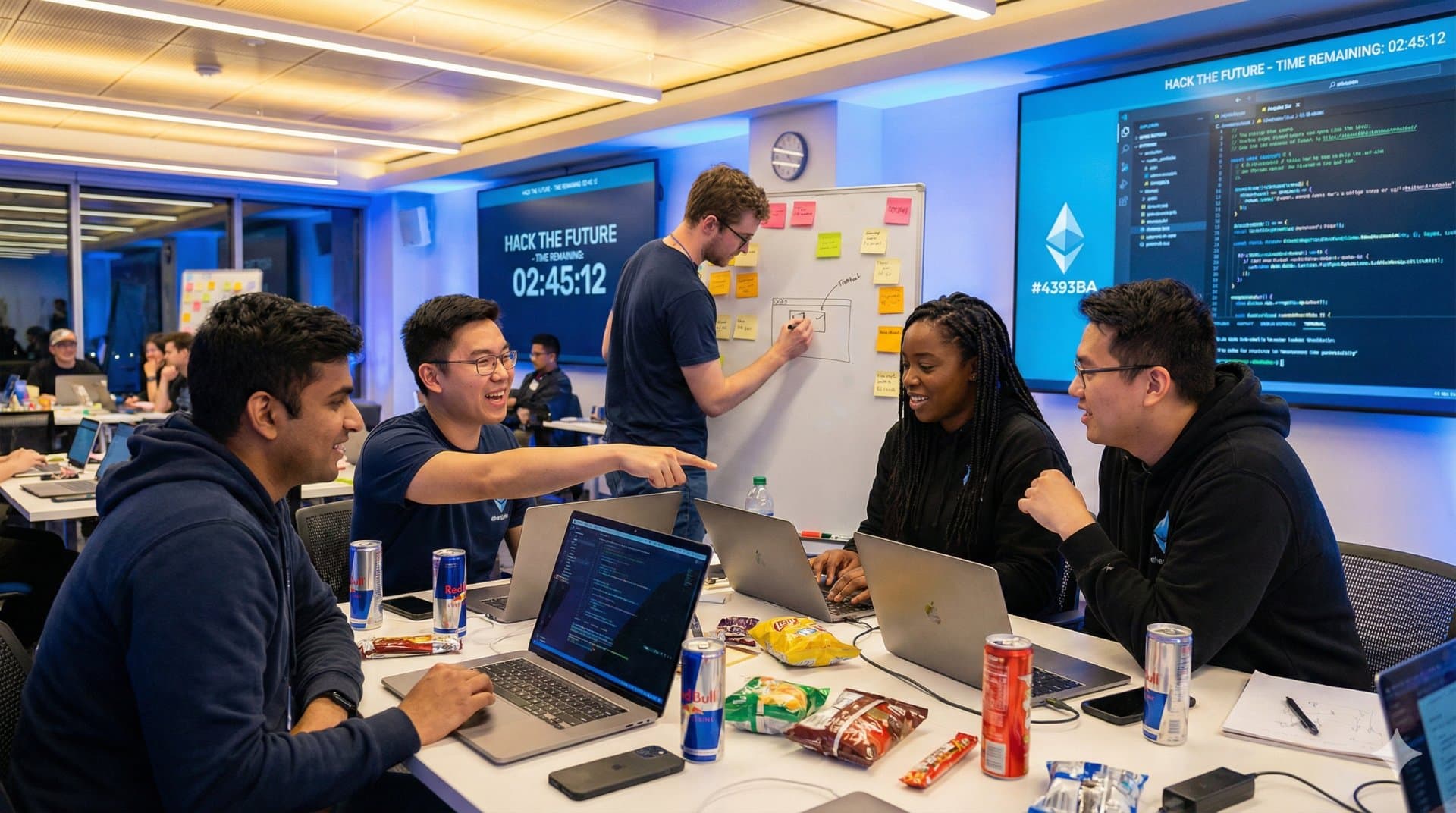
Developer Conferences & Hackathons: Building Community Through Shared Creation
Developer events are unique, attendees come to build, not just watch. Learn how technology companies are using experience data to create developer conferences and hackathons that foster genuine community, drive platform adoption, and turn developers into advocates.
 Elias Emal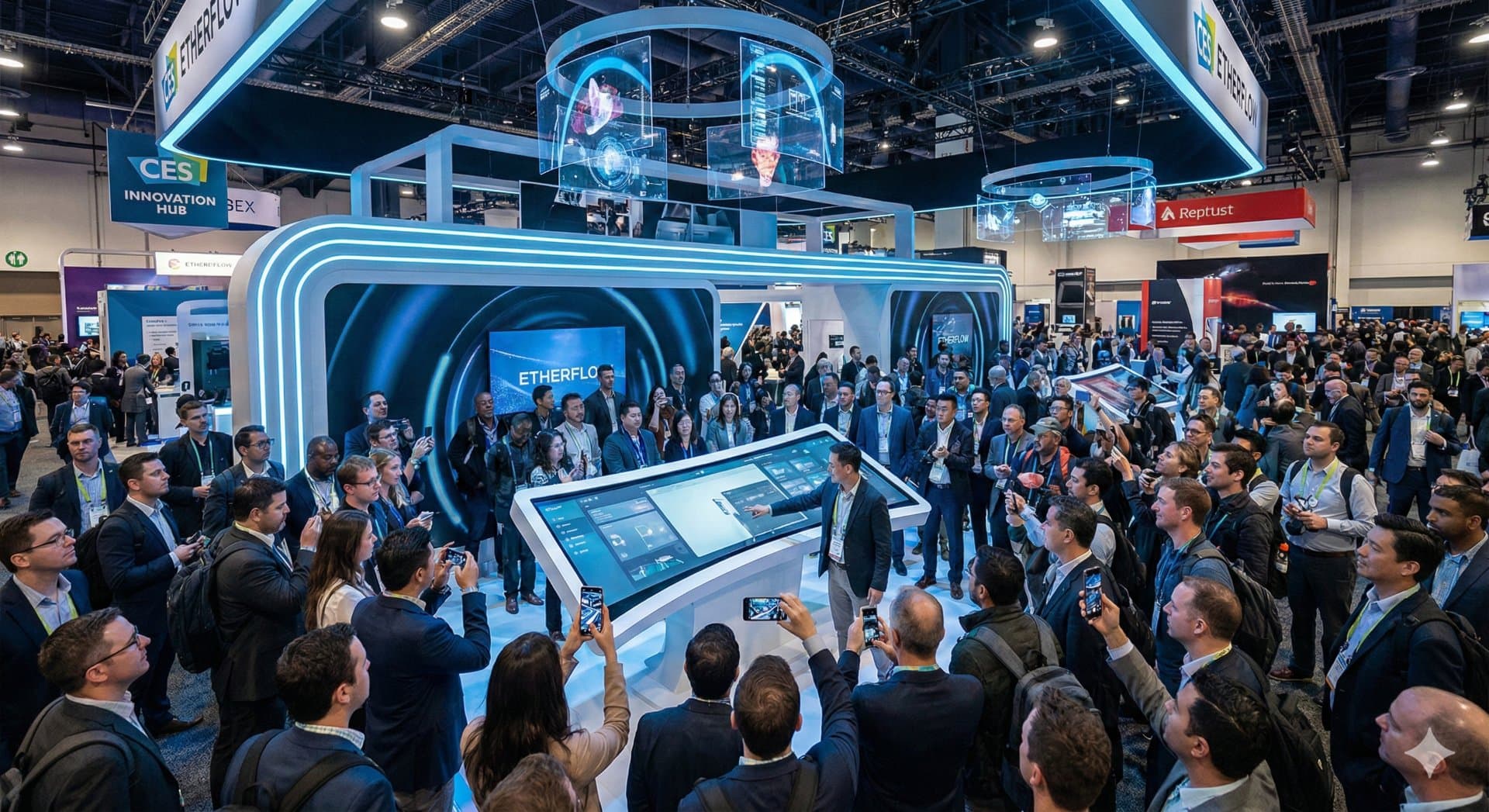
Winning at CES and Tech Trade Shows: Stand Out with Experience Data
Learn how leading technology companies use behavior intelligence to cut through the noise at CES, MWC, and major trade shows, turning booth visits into qualified pipeline.
Justin O'HeirInterested in implementing this for your brand?